Hydration Practices for Pets in Air-Conditioned Environments
Keep your pet hydrated in air-conditioned spaces by using a stainless steel or ceramic water bowl, cleaned every 3 days. AC lowers humidity below 30%, increasing transepidermal and respiratory water loss. Provide 50–100 ml/kg daily for dogs, 30–50 ml/kg for cats. Use automatic dispensers (3–5L) with carbon filters, cycling water every 15 minutes. Offer water at 50–60°F. Signs like tacky gums or delayed skin turgor warrant closer evaluation.
Notable Insights
- Maintain indoor humidity between 40–60% to reduce transepidermal water loss in pets.
- Provide fresh water in stainless steel or ceramic bowls cleaned every 3 days.
- Use automatic water dispensers with filters to encourage hydration through continuous clean flow.
- Offer water at 50–60°F (10–15.5°C) to increase palatability and consumption in cool rooms.
- Monitor for dehydration signs like tacky gums, sunken eyes, and infrequent dark urine.
What Dehydration Looks Like in AC-Cooled Homes?
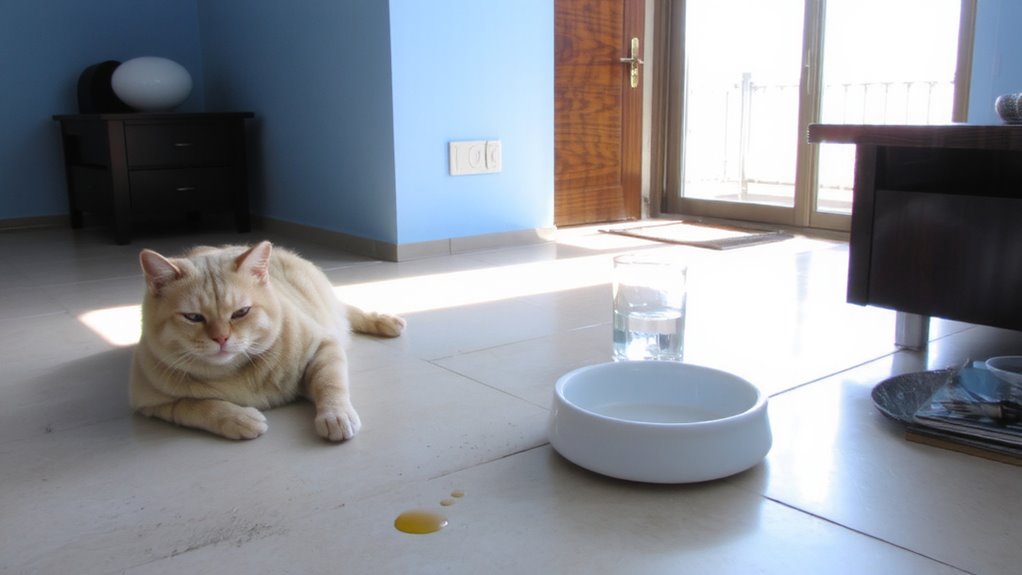
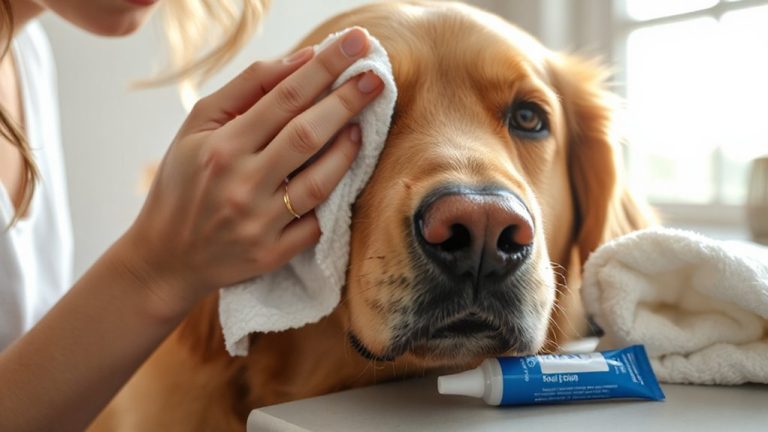
A cool, air-conditioned home might seem like the ideal environment for your pet, but it can quietly contribute to dehydration. Dehydration occurs when fluid loss exceeds intake, and AC environments accelerate moisture evaporation from your pet’s respiratory tract and skin. One early sign is dry skin-when gently lifted, the scruff over the shoulders doesn’t snap back within two seconds, indicating a 5–6% fluid deficit. Advanced cases reveal sunken eyes, a clinical marker of 8% or greater dehydration. The orbital tissue retracts due to reduced blood volume and low interstitial fluid pressure. Check mucous membranes; tacky gums suggest inadequate hydration. Monitor urine output-infrequent, dark-concentrated urine reflects impaired kidney filtration. Weigh your pet regularly; a 5% body weight drop in 24 hours signals a medical emergency. Prevention requires consistent access to water, humidity levels above 40%, and behavioral observation.
How Air Conditioning Reduces Your Pet’s Hydration
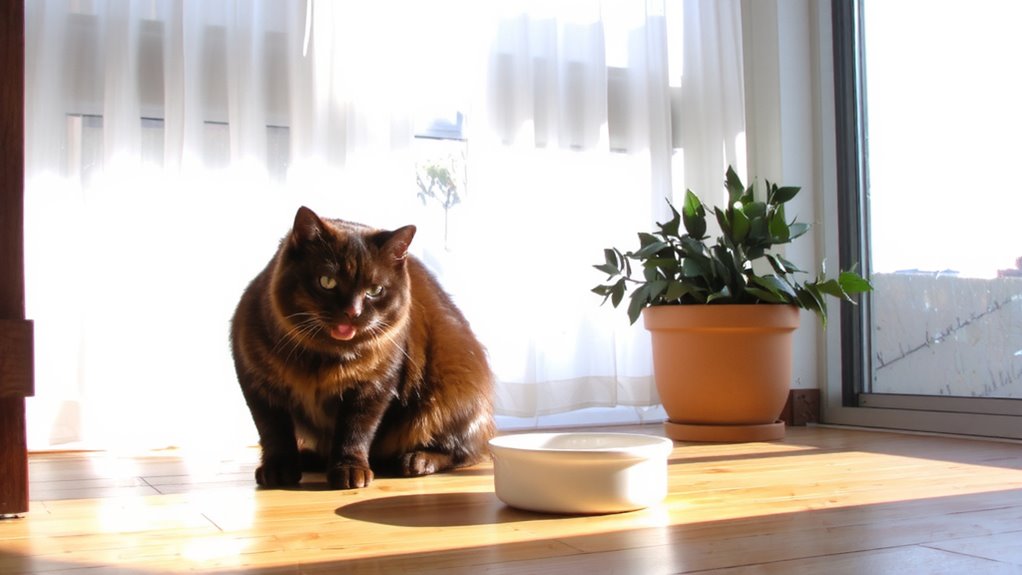
While air conditioning maintains a comfortable ambient temperature, it simultaneously reduces indoor humidity, often dropping levels below 30%-a range that accelerates transepidermal water loss in pets. This low humidity intensifies dry air effects, causing your pet’s skin and respiratory tract to lose moisture more rapidly. Unlike humans, pets rely less on sweating and more on respiration and paw pad evaporation for thermoregulation, making them more vulnerable. The dry air dulls their nasal passages, reducing scent detection efficiency by up to 40%, which indirectly suppresses reduced thirst cues. With less environmental stimulation for hydration, your pet may not seek water even when mildly dehydrated. Monitoring relative humidity with a hygrometer (ideal: 40–60%) helps mitigate these risks. You should also track daily water intake-typical adult dogs need 50–70 mL/kg/day; cats, 45–60 mL/kg/day-to catch deficits early.
Water Bowls That Help Keep Pets Hydrated Indoors
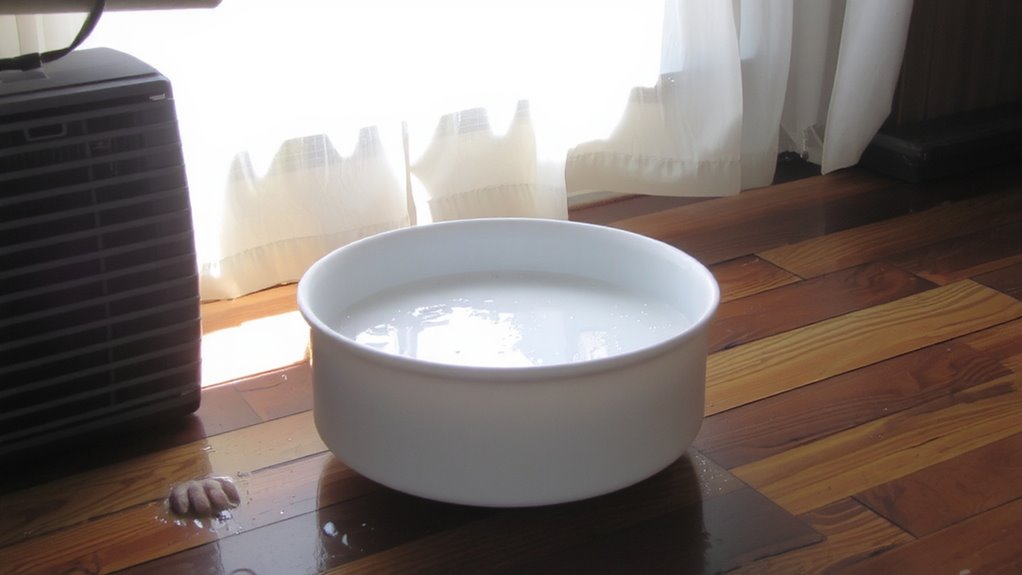
You can counteract the drying effects of air conditioning by selecting water bowls designed to promote consistent hydration. Automatic dispensers guarantee a continuous flow of fresh water, reducing bacterial growth and encouraging more frequent drinking. Elevated bowls improve posture during drinking, especially for larger dogs, reducing strain on joints and the esophagus. Choose models with stainless steel or ceramic bowls for easier cleaning and lower bacterial retention. For even better water quality and pet engagement, consider smart pet water fountains with filter and circulation technology.
| Type | Capacity | Key Feature |
|---|---|---|
| Gravity-fed bowl | 2 liters | No electricity needed |
| Automatic dispensers | 3–5 liters | Pump-driven, filters water |
| Elevated bowls | 1–2 liters | 6–12 inch height adjustment |
| Dual-function fountains | 4 liters | UV purification, quiet motor |
Use BPA-free materials and clean reservoirs every 3 days. Proper maintenance guarantees peak performance and hydration.
Do Cats and Dogs Need Different Hydration in Cool Rooms?
Why do cats and dogs respond differently to hydration needs in cool, air-conditioned rooms? Your dog typically has higher activity levels than your cat, increasing their daily water demand. Even indoors, dogs move more, pant less efficiently in cool air, and rely on consistent hydration to regulate body temperature. Cats, being more sedentary and evolutionarily adapted to low water intake, require less frequent drinking. Water temperature matters: pets prefer cool (not cold) water, ideally between 50–60°F (10–15.5°C), which encourages consumption. Dogs may drink 50–100 ml/kg daily, while cats need only 30–50 ml/kg. Monitor both species closely-cool rooms reduce perceived thirst, potentially masking dehydration. Automatic dispensers help maintain freshness and consistent water temperature. Though indoor conditions reduce heat stress, hydration needs still depend on species-specific metabolism, size, and daily activity levels.
Proven Ways to Increase Your Pet’s Water Intake
How can you guarantee your pet stays properly hydrated in an air-conditioned home? Use proven methods to encourage consistent water consumption. Interactive fountains increase intake by providing continuous water movement, which attracts pets through sensory stimulation. Models with multi-stage filtration, such as activated carbon and foam filters, reduce impurities and chlorine taste, improving palatability. Flow rates between 0.5 and 1.0 liters per minute simulate natural currents, enhancing appeal. For picky drinkers, try flavored water using veterinarian-approved additives-low-sodium broth or oral rehydration solutions with balanced electrolytes (e.g., 40–60 mEq/L sodium). Avoid sugar or artificial sweeteners. Place multiple water sources in high-traffic areas. Stainless steel or ceramic bowls resist bacterial buildup better than plastic. These strategies, grounded in behavioral and physiological responses, greatly boost daily hydration in dry, cooled environments. A reliable option for maintaining fresh water flow is choosing one of the best small pet water dispensers, which are designed to combine efficient filtration with pet-friendly hydration features.
Keep Water Fresh All Day for Better Hydration
While stale water can deter even thirsty pets, maintaining freshness throughout the day guarantees consistent hydration. You should change your pet’s water at least twice daily to prevent bacterial buildup, which begins after 8 hours. Water temperature matters-cool water (45–65°F) encourages drinking, especially in air-conditioned spaces where ambient dryness increases evaporation. Use stainless steel or ceramic bowls; they resist algae and maintain stable water temperature better than plastic. Bowl placement is critical-position it away from direct airflow and heat sources to minimize temperature fluctuations. Place bowls in high-traffic areas but at least 3 feet from food to avoid contamination from food particles. Automatic dispensers with carbon filters reduce debris and keep water fresh up to 48 hours. Ideal models hold 64 oz, have submersible pumps, and cycle water every 15 minutes to prevent stagnation. For enhanced hydration, consider a pet water fountain that continuously filters and circulates water.
When to Call the Vet: Signs of Severe Dehydration
What if your pet stops drinking despite your best efforts? Severe dehydration can develop quickly, especially if your pet has recent sun exposure or is recovering from heat stroke. Signs include dry gums, sunken eyes, and skin that doesn’t snap back when gently pinched-known as poor skin turgor. You might also notice lethargy, rapid heartbeat, or panting. Pets can lose 10–15% of body water before showing critical symptoms; loss beyond 15% is life-threatening. If you observe these signs, don’t wait. Heat stroke elevates body temperature above 106°F, impairing organ function. Immediate veterinary care is essential. Intravenous fluids, electrolyte correction, and temperature regulation are often required. Even in air-conditioned homes, inadequate water intake after overheating can lead to crisis. Call your vet at the first sign of distress-early intervention improves survival rates markedly.
On a final note
You must actively manage your pet’s hydration indoors. Air conditioning lowers humidity, increasing respiratory water loss by up to 30%. Use stainless steel or ceramic water bowls-avoid plastic, which harbors bacteria. Opt for wide, shallow designs (minimum 6-inch diameter) to prevent whisker stress in cats. Provide flowing water via a 5-volt, low-consumption fountain delivering 1.5 liters per minute. Check water twice daily; replace if evaporation exceeds 10%. Monitor intake-dogs need 50 mL/kg/day, cats 45–60 mL/kg/day. Act immediately if signs like tacky gums or >10% skin tenting appear.