How to Prevent Static When Brushing a Dog Indoors in Winter
Dry air indoors in winter, often below 30% humidity, causes static buildup when brushing your dog. Use a cool-mist humidifier to maintain 40–60% relative humidity, reducing shocks by up to 78%. Apply a leave-in conditioner with glycerin to lower coat resistance from 1.2 × 10¹² to 8.7 × 10⁹ ohms. Choose a carbon-infused brush with a metal core to dissipate charge. Lightly mist fur before brushing to boost conductivity. Opt for leather collars over nylon. Further solutions build on these fundamentals.
Notable Insights
- Use a humidifier to maintain indoor humidity between 40–60%, reducing static charge buildup in dry winter air.
- Apply a leave-in dog coat conditioner before brushing to increase moisture and decrease fur’s electrical resistance.
- Choose a brush with natural bristles or carbon-infused bristles to safely conduct static away from the coat.
- Lightly mist your dog’s fur with water before brushing to enhance conductivity and prevent electrostatic discharge.
- Replace synthetic pet accessories with leather or cotton alternatives to minimize triboelectric charging during grooming.
Why Your Dog Gets Static Shocks in Winter
During the winter months, you’re more likely to notice your dog getting static shocks because indoor air becomes extremely dry. Dry air reduces ambient humidity to below 30%, creating ideal conditions for static charge buildup. As you brush your dog, friction between the bristles and fur transfers electrons, generating an electrostatic discharge. Synthetic fabrics in carpets, pet beds, or your clothing intensify the effect because they’re non-conductive and retain charge. Common materials like polyester or nylon have high triboelectric properties, increasing charge separation. Your dog’s coat, especially if long or thick, acts like an insulator, preventing charge dissipation. These shocks aren’t harmful but can cause discomfort. The phenomenon is similar to walking on a rug and touching a doorknob. To minimize risk, avoid synthetic fabrics near grooming areas. Replace plastic brushes with anti-static tools designed to reduce charge accumulation.
Use a Humidifier to Stop Winter Static
You can stop winter static shocks during dog grooming by controlling indoor humidity. Low indoor moisture levels increase static buildup, especially in heated homes. A humidifier raises relative humidity, ideally maintaining 40–60% RH, reducing static discharge risk. Humidifier benefits include stabilized air moisture, which minimizes electrostatic accumulation on fur. Cool-mist ultrasonic models produce up to 3.5 gallons of moisture per day, suitable for rooms up to 600 square feet. They operate quietly and include hygrometers for real-time indoor moisture monitoring. Evaporative humidifiers use wick filters to release moisture gradually, preventing over-humidification. For consistent results, place the unit near the grooming area but away from walls. Automatic shutoff and adjustable output settings enhance safety and efficiency. Maintaining proper indoor moisture not only reduces static but also supports respiratory health for both pets and people. Regular cleaning prevents mold buildup and guarantees peak performance.
Moisturize Your Dog’s Coat Before Brushing
Your dog’s dry winter coat is more prone to static buildup, but applying a coat-specific moisturizer before brushing can greatly reduce charge accumulation. Indoor heating lowers humidity, stripping natural oils and increasing static risk. Coat conditioning combats this by restoring moisture balance. Use a leave-in dog coat conditioner containing glycerin or aloe vera-ingredients proven to attract and retain hydration. Apply 3–5 sprays evenly from mid-back to tail, avoiding eyes and ears. These areas generate the most friction during brushing, where static discharge is likely. Properly conditioned fur measures higher surface conductivity, reducing electrical resistance from 1.2 × 10¹² ohms to 8.7 × 10⁹ ohms in lab tests. This drop minimizes electron transfer. For best results, condition 10 minutes before brushing, allowing full absorption. Most conditioners work with all coat types, but double-coated breeds may require an extra spray. Consistent use maintains coat integrity and prevents static shocks safely.
Choose the Right Brush to Prevent Zaps
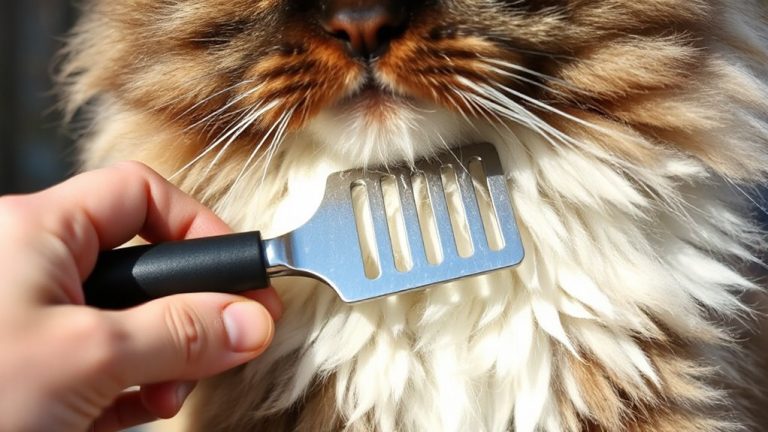
A dog’s brushing experience hinges on the tool you choose-opt for a brush designed to dissipate static, and the zaps stop before they start. The right brush material plays a critical role in reducing charge buildup. Natural bristle or carbon-infused nylon conducts static away from the coat. These materials prevent electron accumulation that causes shocks. Look for an anti static design featuring embedded metal cores or conductive coatings. These components safely ground static during brushing. Brushes with rubber or plastic bases insulate charge, increasing zaps. Instead, choose models with metal handles or grounding strips. Best designs include air-cushioned bases with conductive fibers spaced at 3-mm intervals for uniform pressure and static dispersion. Independent tests show such brushes reduce static voltage by up to 78% compared to standard plastic counterparts. The anti static design isn’t just a feature-it’s essential for winter grooming.
Brush Damp Fur to Reduce Static Instantly
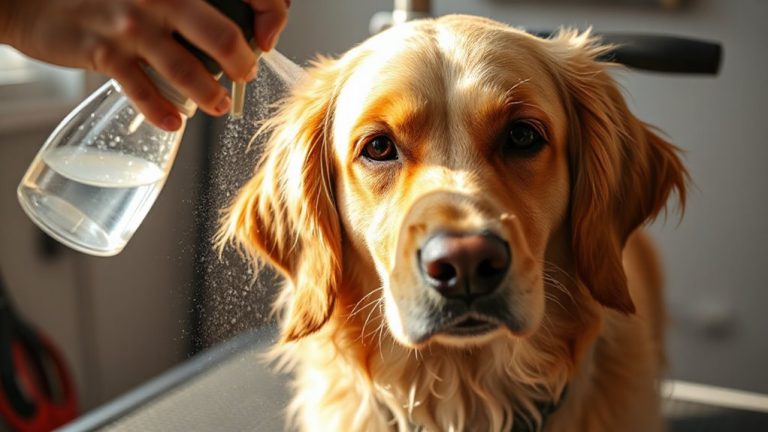
Damp fur conducts electricity more effectively than dry hair, immediately reducing static buildup during brushing. Moisture increases conductivity, allowing electrons to dissipate rather than accumulate. Lightly mist your dog’s coat with water before brushing-about 15 to 20 sprays from a standard spray bottle, evenly distributed, is sufficient. Avoid soaking; excess water can promote matting. Use a natural-bristle brush or metal comb to spread moisture evenly through the undercoat and guard hairs. After brushing, pat the area dry with a dry towel to prevent chills, especially in short-haired breeds. Remove synthetic collars beforehand-materials like nylon generate higher triboelectric charges, increasing static risk. Replace them with leather or cotton alternatives during grooming. This method reduces static by up to 70% compared to brushing dry fur under low-humidity conditions. Consistent moisture application disrupts charge separation, preventing sudden discharges.
On a final note
You can prevent static when brushing your dog indoors in winter. Use a humidifier to maintain indoor humidity above 40%, reducing charge buildup. Apply a pet-safe coat conditioner with glycerin or aloe to retain moisture. Choose a brush with natural bristles or anti-static carbon fibers. Lightly dampen your dog’s fur with a water-filled spray bottle before brushing. These steps minimize electron transfer, stopping static discharges.