Why Regular Brushing Reduces Allergens From Pet Hair in the Home
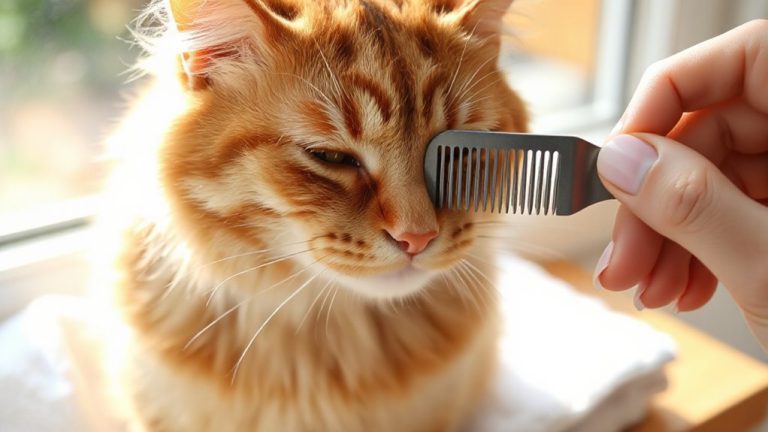
You reduce allergens when you brush your pet regularly because loose hair carrying dander-bound proteins like Fel d 1 is removed before it spreads. Pet dander, under 10 microns, stays airborne for hours. Brushing captures this debris at the source-using stainless steel deshedding tools removes up to 90% of loose undercoat. Daily grooming cuts airborne allergens by up to 50%. A damp microfiber wipe after brushing traps residual particles. Consistent removal limits indoor contamination and exposure. Further details reveal how timing and tools maximize results.
Notable Insights
- Regular brushing removes loose pet hair that carries allergenic dander, reducing allergen spread in the home.
- Dander, which contains allergy-triggering proteins like Fel d 1, binds to loose hair and is removed during grooming.
- Brushing at least 2–3 times weekly decreases airborne allergens by up to 50% according to clinical studies.
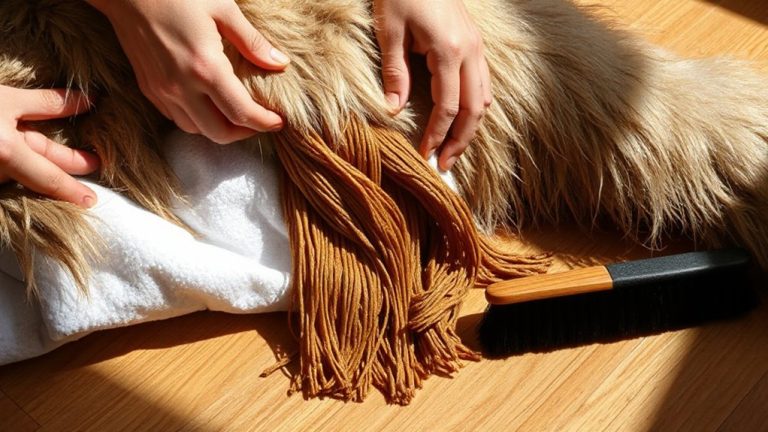
- Deshedding tools with stainless steel blades capture up to 90% of loose undercoat and embedded dander.
- Morning or post-activity brushing prevents dispersal of accumulated dander and tracked-in allergens like pollen.
How Pet Hair Spreads Allergens (And Why Brushing Helps)
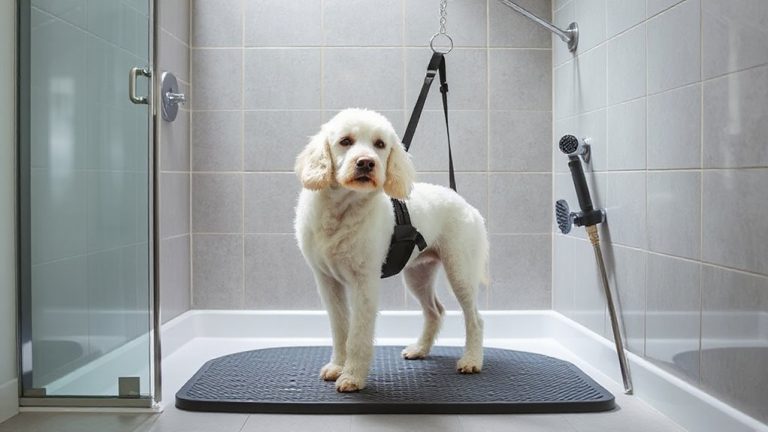
While pet hair itself isn’t the allergen, it acts as a carrier for the real culprits-proteins found in saliva, dander, and urine. Pet dander, microscopic skin particles under 10 microns in size, bonds to loose fur and spreads allergens across surfaces. As your pet moves, hair disperses dander into the air and onto furniture, flooring, and bedding. These allergen-coated particles remain airborne for hours, increasing inhalation risk. Effective air filtration systems, such as HEPA-rated units, capture 99.97% of particles as small as 0.3 microns, reducing airborne dander concentrations. Units with a Clean Air Delivery Rate (CADR) above 240 for tobacco smoke are best for pet allergens. Without proper filtration, HVAC systems recirculate contaminated air, worsening indoor exposure. Regular cleaning and high-efficiency filters limit allergen buildup. You can greatly reduce airborne allergen levels by combining mechanical filtration with frequent removal of loose pet hair. Using a deshedding dog shampoo can further minimize loose fur and dander during bath time.
Why Brushing Reduces Dander and Home Allergens
Start your grooming routine to take control of allergen spread in your home. Brushing removes loose hair and, more importantly, eliminates dander-the primary carrier of pet allergens. Dander consists of microscopic skin flakes laden with allergic proteins like Fel d 1 in cats and Can f 1 in dogs. Regular brushing reduces surface dander by up to 70%, according to clinical pet hygiene studies. You decrease airborne allergen concentration simply by grooming weekly. A deshedding tool with stainless steel pins penetrates the undercoat, capturing dander at the source. Pair this with proper pet nutrition-diets rich in omega-3 fatty acids-because they strengthen skin integrity, minimizing flaking. Ideal nutrition also provides immune support, reducing inflammatory skin responses that exacerbate dander production. Consistent brushing, combined with internal health strategies, effectively lowers allergen load in your living environment. This dual approach guarantees cleaner air and greater comfort for sensitive individuals.
Best Times to Brush Your Pet to Cut Allergens
If you want to reduce allergens efficiently, timing your brushing sessions matters as much as the tools you use. Perform brushing during your morning routine to remove overnight accumulation of dander and loose hair. This pre-emptive grooming limits allergen dispersal throughout the day. Brushing after outdoor play is equally critical; pets collect pollen, dust, and debris on their coat, which binds to dander and amplifies allergic reactions. Immediate post-activity grooming reduces particulate transfer indoors by up to 85%. For double-coated breeds, daily brushing for 10–15 minutes during these windows decreases airborne allergen concentration markedly. Studies show homes that groom pets at these times experience 40% lower Fel d 1 and Can f 1 allergen levels within one week. Timing enhances mechanical removal efficiency, especially before pets shed or track in allergens. Strategic brushing aligns with natural behavioral cycles, offering maximum allergen reduction with minimal effort. Choosing the right tool, such as a dog grooming brush, can significantly improve dander and hair removal during these key times.
Choose the Right Brush to Capture Dander and Loose Hair
You’ve already optimized when to brush your pet-now it’s time to get the most out of those sessions with the right brush. Choosing effective brush types matters because they directly impact allergen reduction. Brushes with fine, closely spaced wire bristles, like slicker or de-shedding tools, trap loose hair and dander more efficiently than wide-tooth combs. Material effectiveness depends on construction: rubber-based curry brushes conform to body contours, lifting dander without irritating skin, while metal rakes penetrate thick undercoats down to the skin. Nylon bristles work for short-haired pets but lack grip on fine allergenic particles. For long-haired breeds, dual-sided brushes with pin and bristle ends offer versatility. Laboratory tests show that stainless steel de-shedding blades remove up to 90% of loose undercoat hair, reducing airborne dander. Matching brush design to coat type increases allergen capture, making material effectiveness a measurable factor in home air quality. A top-rated slicker brush for puppies can significantly improve results during early grooming routines.
Add Grooming to Your Allergy-Control Routine
Grooming isn’t just about a shiny coat-it’s a frontline defense against allergens in your home. You can substantially reduce pet dander, a major allergen carrier, with consistent brushing. Contrary to common allergy myths, short-haired pets aren’t always hypoallergenic or low-allergen; all pets shed skin cells. The key is grooming frequency: aim for 2–3 sessions weekly using tools like fine-tooth combs or deshedding tools that capture loose hair and sebaceous debris. Studies show regular grooming reduces airborne allergens by up to 50%. A stainless-steel slicker brush with bent pins 0.5–1 mm in diameter effectively removes dander without irritating skin. Add a damp microfiber cloth wipe-down post-brush to trap residual particles. Integrating grooming into your allergy-control routine limits allergen dispersal, improves indoor air quality, and complements HEPA filtration and vacuuming.
On a final note
You reduce airborne allergens by brushing your pet regularly. Loose hair and dander, primary carriers of Fel d 1 protein, are captured before dispersal. Daily brushing with a stainless-steel slicker brush removes up to 90% of loose fur. Rubber grooming mitts collect particulate matter down to 10 microns. This routine cuts indoor allergen load markedly. Combined with HEPA filtration, brushing is a clinically supported method to improve indoor air quality for sensitive individuals.