How to Clean Your Pet After an Anal Gland Accident
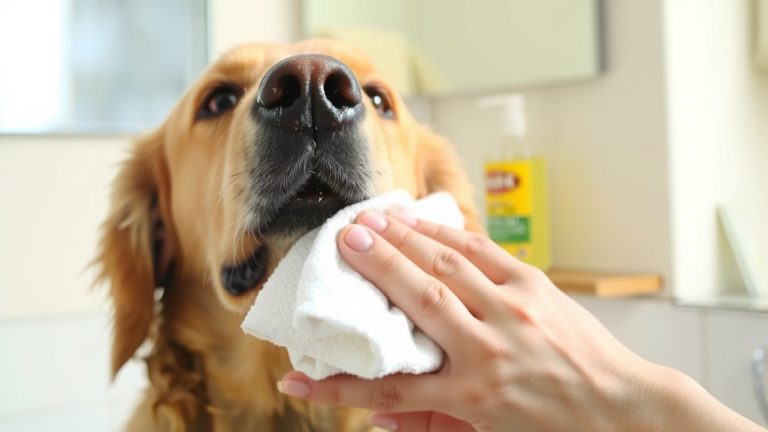
Wear disposable gloves and use paper towels to blot excess fluid from your pet’s rear. Clean the area with pet-safe wipes, stroking front to back to avoid contamination. Trim soiled fur with blunt-tipped scissors, leaving at least ½ inch to prevent irritation. Use an enzymatic cleaner on skin and coat to break down odor-causing compounds. This process reduces bacterial load and minimizes recurrence risk-further details on long-term management follow.
Notable Insights
- Wear disposable gloves and use paper towels to gently remove visible residue from your pet’s rear.
- Trim soiled fur with blunt-tipped scissors, leaving at least half an inch to avoid skin irritation.
- Wipe the area front to back with pet-safe, pre-moistened wipes to prevent contamination.
- Clean contaminated surfaces using an enzymatic cleaner and a microfiber cloth for full sanitation.
- Dispose of all waste in a biohazard bag and wash your hands thoroughly after cleanup.
Identify Causes of Anal Gland Leaks
Why does your pet suddenly leave a fishy odor in the room? The smell typically signals an anal gland leak. These paired glands near the rectum store a pungent fluid expressed during defecation. When ducts become blocked, fluid accumulates, increasing pressure until spontaneous drainage occurs. Diet composition plays a critical role-low-fiber diets produce softer stools, reducing natural gland compression during bowel movements. Inactive expression leads to retention and inflammation. Concurrently, bacterial overgrowth within the gland alters secretion chemistry, amplifying odor and viscosity. Soft, pasty discharges suggest chronic impaction. Acute swelling or redness may indicate infection. Small breeds are predisposed due to anatomical duct size. Fluid consistency ranges from oily amber to thick greenish pus in severe cases. Monitor frequency, consistency, and behavior. Persistent issues require veterinary assessment to rule out abscess formation or neoplasia.
Gather Supplies for Anal Gland Cleanup
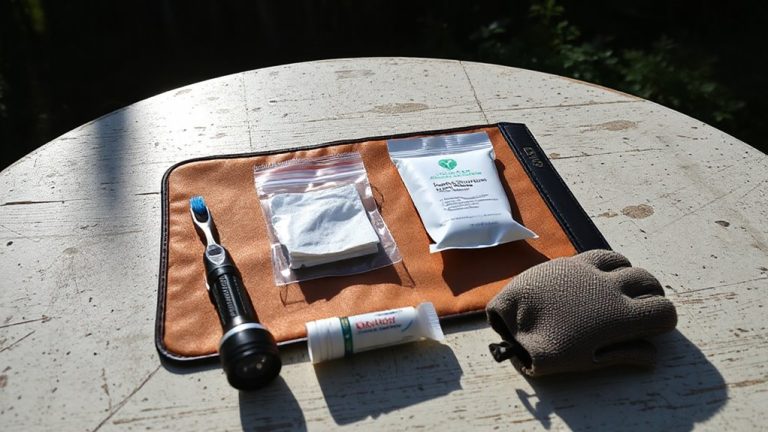
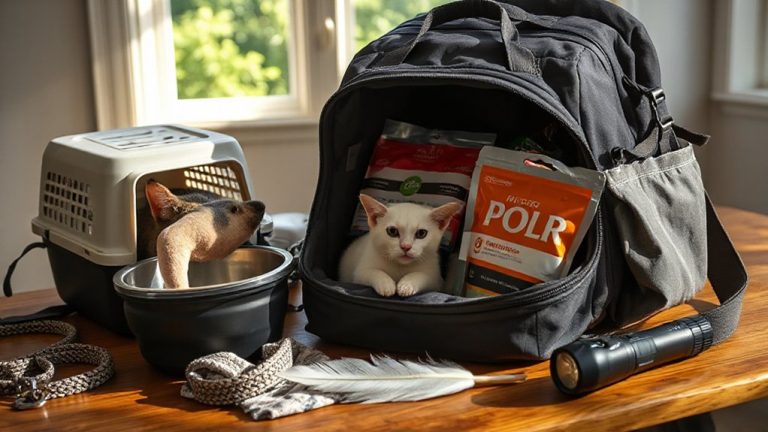
A well-stocked cleanup kit makes managing an anal gland accident efficient and hygienic. Begin by gathering disposable gloves, paper towels, and enzymatic cleaner to break down organic residue. Use a plastic scraper to lift solid matter before applying the solution. Include a dedicated washcloth or sponge-preferably microfiber-for effective surface contact. Keep grooming tools like blunt-tipped scissors handy to trim soiled fur if needed. Guarantee all supplies are stored in a sealed, labeled container for quick access. Follow safety precautions: wear gloves to prevent bacterial exposure and avoid skin contact with waste material. Use goggles if splashing is likely. Dispose of contaminated items in a biohazard bag. Keep a spare set of supplies in your car or laundry room. Preparedness reduces contamination risk and guarantees a swift, sanitary response.
Restrain Your Pet Safely During Cleanup
While your pet may feel anxious or agitated during an anal gland cleanup, keeping them still is essential to prevent injury and guarantee thorough sanitation. Safe handling secures both you and your pet remain protected throughout the process. Position your pet on a non-slip surface, ideally at waist height, to minimize strain and increase control. Use a harness or loop leash attached to a secure anchor point if necessary-this limits sudden movements without causing harm. For added stress reduction, speak in a calm, low tone and maintain gentle but firm restraint. Apply light but consistent pressure around the torso, avoiding sensitive areas. Never use force; instead, rely on control and positioning. This method improves precision during cleanup and shortens handling time, which inherently decreases anxiety. Safe handling isn’t just about physical control-it’s a critical component of stress reduction, promoting cooperation and minimizing trauma for both pet and caregiver.
Clean Your Pet’s Rear and Soiled Fur
Now that your pet is secure and properly restrained, you can begin cleaning the affected area with precision. Start with gentle rear wiping using pre-moistened, pet-safe wipes containing mild surfactants and no alcohol. Apply firm, consistent strokes from front to back to avoid spreading contaminants. For matted or heavily soiled fur, perform fur trimming with blunt-tipped scissors or electric clippers with a #10 blade, leaving at least ½ inch of coat to prevent irritation. Work in the direction of hair growth, avoiding direct contact with sensitive perianal tissue. Use disposable, absorbent pads beneath your pet to contain debris. Remove excess moisture with a soft, lint-free towel. Guarantee all fecal matter and secretion residue are fully cleared before proceeding. This step minimizes bacterial transfer and prepares the coat for deodorization in the next phase.
Remove Anal Gland Smell From Skin and Coat
You’ll need to neutralize the odor at its source, not just mask it. Anal gland secretions contain volatile sulfur compounds that resist regular shampoos. Use an enzyme wash specifically formulated to break down these organic molecules. Enzyme washes contain proteases and lipases that digest proteins and fats in the secretion, eliminating odor at the molecular level. Apply the enzyme wash directly to the affected skin and coat, massaging it in for 5–7 minutes to guarantee full contact. Let it sit for the full 10-minute dwell time before rinsing thoroughly with warm water. Follow with an odor neutralizer spray containing activated carbon or zinc ricinoleate. These ingredients bind to residual odor molecules, preventing recontamination. Repeat if necessary. Do not use fragranced products-they only temporarily cover smells and may irritate sensitive skin. Proper enzyme action reduces odor by up to 98% when used correctly.
Disinfect Floors and Furniture After Accidents
If the accident has spread beyond your pet’s coat, disinfecting surfaces is essential to prevent lingering odor and bacterial growth. Start with floor cleaning using a solution of 1:10 diluted bleach or a veterinary-grade quaternary ammonium disinfectant. These agents kill 99.9% of bacteria, including E. coli and Pseudomonas, commonly found in anal gland fluid. Apply the solution to hard surfaces, let it dwell for 10 minutes, then wipe with a microfiber mop. For carpets, use an enzymatic cleaner designed to break down organic residues. Furniture sanitizing requires special attention: remove fabric covers if possible and launder in hot water (140°F minimum). For non-removable upholstery, apply an EPA-registered disinfectant approved for soft surfaces. Use a steam cleaner at 212°F to penetrate and sanitize deep fibers. Avoid ammonia-based products-they react with organics and worsen odors. Thorough drying prevents mold. For best results on carpeted areas, consider a top-rated enzyme cleaner that effectively eliminates odors at the source.
Prevent Recurring Anal Gland Issues
Regularly addressing your pet’s anal gland health can prevent most recurring issues. Proper diet management is essential-feed a high-fiber diet (2.5–4% crude fiber) to promote firm stools that naturally express glands during defecation. Low-quality fillers in cheap kibble reduce stool bulk, increasing impaction risk. Add pumpkin or psyllium husk (1 tsp per 10 lbs body weight daily) if needed. Your pet’s exercise routine directly impacts digestive motility; aim for 30–60 minutes of daily activity to stimulate regular bowel movements. Overweight animals are prone to gland blockages due to reduced perianal muscle tone. For breeds predisposed to issues-like Bulldogs or Spaniels-schedule veterinary checkups every 3–6 months. Manual expression beyond medical need can damage gland tissue. Think of anal glands like oil reservoirs: too thick, infrequent drainage leads to backups. Consistent monitoring, fiber optimization, and physical activity form the cornerstone of long-term prevention.
On a final note
You’ve now addressed the immediate cleanup and hygiene concerns after an anal gland accident. Use pH-balanced pet wipes to remove residue without skin irritation. Apply enzymatic odor neutralizers-these contain protease and lipase enzymes that break down organic compounds. For recurring issues, schedule veterinary evaluations every 4–6 weeks. Consider dietary fiber supplements (e.g., 1–2 tsp pumpkin daily) to support natural gland expression. Consistent care reduces future incidents.