Cognitive Decline in Older Pets: Signs, Symptoms, and Support Strategies
Your older pet may develop cognitive dysfunction syndrome (CDS), affecting up to 28% of dogs over 11. Signs include disorientation, sleep disturbances, and memory loss due to beta-amyloid plaques and neuronal atrophy. Behavioral changes like litter box avoidance or reduced interaction are red flags. Vets diagnose CDS by ruling out metabolic disease, using blood biomarkers (GFAP, NfL) and MRI. Support involves Senilife® supplementation, environmental enrichment, and structured routines with nightlights (≥10 lux). You’ll discover proven strategies to manage progression effectively.
Notable Insights
- Cognitive dysfunction in older pets involves memory loss, disorientation, and behavioral changes similar to human dementia.
- Common signs include forgetting commands, litter box neglect, altered sleep patterns, and reduced interaction with family.
- Seek veterinary care promptly if symptoms persist for over a month or include confusion, aggression, or mobility issues.
- Diagnosis requires ruling out other conditions through blood tests, neurological exams, and imaging like MRI or CT.
- Management includes antioxidant supplements, consistent routines, environmental enrichment, and nighttime lighting for safety.
What Is Cognitive Dysfunction in Pets?
While aging is a natural process, cognitive decline in older pets isn’t just about slowing down-it’s a measurable neurological condition known as cognitive dysfunction syndrome (CDS). You’re dealing with a form of neurological aging that mirrors aspects of human dementia. CDS results from progressive brain pathology, including beta-amyloid plaque accumulation and neuronal loss, particularly in the cortex and hippocampus. These changes disrupt neurotransmitter systems like dopamine and serotonin. Your pet’s cognitive abilities-memory, learning, awareness-diminish as neural circuits degrade. Oxidative stress and reduced cerebral blood flow further accelerate damage. Studies show up to 28% of dogs over 11 exhibit CDS symptoms, confirming its clinical significance. The condition isn’t behavioral laziness; it’s rooted in structural brain changes. Diagnosing CDS requires ruling out other medical causes. Recognizing it as a true neurological disorder helps guide treatment focused on slowing progression through diet, environment, and medication. Support strategies may also include targeted cognitive supplements for aging pets to help maintain mental function and improve quality of life.
7 Signs of Cognitive Decline in Dogs and Cats
You can spot cognitive decline in dogs and cats by observing consistent changes in behavior that reflect underlying brain dysfunction. Memory loss is common, such as forgetting familiar commands, feeding schedules, or house-training routines. In dogs, this may include wandering aimlessly or failing to recognize family members. Cats may forget litter box locations. Behavioral changes include increased irritability, reduced interaction, or altered sleep-wake cycles. Dogs might bark at nothing; cats may hide more often. These signs stem from neural degradation, including reduced blood flow and accumulated beta-amyloid plaques. Symptoms typically emerge after age 10 in dogs and 12 in cats. Onset is gradual, with progression measurable over months. Diagnostic criteria require symptoms to persist beyond one month and not result from other medical conditions. Observational logs help track frequency and severity. Supporting cognitive health can be enhanced with appropriate dietary supplements and best cognitive support.
When to Call the Vet for Cognitive Changes
When should you pick up the phone and call the vet about your pet’s shifting behavior? Contact your veterinarian promptly when behavioral changes interfere with daily function. Subtle shifts like disorientation or altered sleep cycles warrant evaluation. However, emergency signs-such as sudden aggression, prolonged vocalization, or inability to stand-require immediate care. These symptoms may indicate advanced cognitive dysfunction or other serious conditions like brain tumors or metabolic disease. Behavioral changes overlapping with seizures, loss of bladder control, or collapse are red flags. Do not delay treatment if you observe acute onset or worsening of symptoms. Early veterinary assessment improves diagnostic accuracy and treatment outcomes. Monitoring duration, frequency, and context of abnormal behaviors aids clinical interpretation. Prompt intervention helps distinguish treatable conditions from progressive cognitive decline.
How Vets Diagnose Cognitive Dysfunction
How does a veterinarian pinpoint cognitive dysfunction in your aging pet? Vets start by ruling out other medical conditions with similar symptoms. You’ll need to provide a detailed history of behavior changes, including sleep cycles, house-soiling, and disorientation. A full physical and neurological exam follows. Blood tests check for metabolic diseases, and blood biomarkers like GFAP and NfL are emerging indicators of neural damage. Advanced imaging-such as MRI or CT scans-helps detect brain atrophy or lesions, although not all clinics offer it routinely. These tools confirm structural decline linked to cognitive dysfunction. Diagnosis relies on clinical signs combined with exclusion of other illnesses. Advanced imaging provides objective evidence, while blood biomarkers offer a less invasive screening option. Together, they strengthen diagnostic accuracy. Your vet uses this data to determine if your pet’s symptoms align with cognitive dysfunction. Early, accurate diagnosis supports better long-term management.
Treatments That Slow Cognitive Decline
A diagnosis of cognitive dysfunction sets the stage for proactive management aimed at slowing neurodegeneration. Supplement therapy plays a key role, with products like Senilife® delivering 10 mg/kg of antioxidants (vitamin E, selenium) and phosphatidylserine daily to support neuronal membrane integrity. Clinical trials show pets receiving such supplements exhibit 50% slower cognitive decline over 12 months. Environmental enrichment is equally essential. Introduce novel toys, scent trails, and obstacle courses to stimulate neuroplasticity. Studies confirm pets in enriched environments show measurable improvements in spatial learning-up to 30% faster task acquisition. Combine tactile, auditory, and visual stimuli for multisensory engagement. Daily 10-minute training sessions with positive reinforcement enhance synaptic activity. These interventions don’t reverse damage but modify disease progression. Consistency ensures maximal efficacy. Always implement under veterinary guidance to align with individual neurologic profiles and comorbidities. Some pets may also benefit from anxiety relief supplements, especially when cognitive decline is accompanied by behavioral changes such as restlessness or confusion.
Daily Care Tips for Pets With CDS
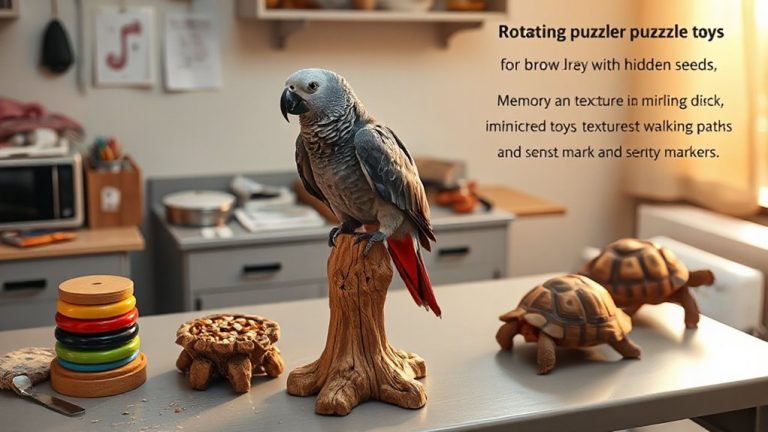
Although cognitive decline can’t be reversed, you can significantly improve your pet’s quality of life through structured daily care. Maintain routine consistency by feeding, walking, and providing bathroom breaks at the same times daily. This stabilizes circadian rhythms and reduces anxiety. Use environmental enrichment like puzzle feeders, scent trails, and rotating toys to stimulate cognitive function. Introduce one new item every 3–4 days to prevent habituation. Keep pathways clear and lighting consistent to aid spatial orientation. Use nightlights in hallways (minimum 10 lux illumination) to support night navigation. Limit changes to furniture layout. Short, frequent walks (5–10 minutes, 3x/day) enhance circulation and mental alertness. Avoid overstimulation. Monitor hydration with dual water stations-place one near resting areas and another by feeding zones. These strategies support neural plasticity, reduce disorientation, and prolong functional independence in pets with CDS.
On a final note
You can manage cognitive decline in older pets effectively with early intervention. Cognitive Dysfunction Syndrome (CDS) affects 14–35% of dogs over age 11 and 28% of cats over age 11. Diagnoses rely on behavioral assessments, ruling out other conditions, and veterinary neurology exams. Treatments include FDA-approved selegiline (0.5–1 mg/kg daily) and medium-chain triglyceride (MCT) diets improving cognition in 70% of dogs within 30 days. Daily environmental enrichment and structured routines reduce disorientation and anxiety.