Escape Prevention Mechanisms for Aquatic Pets: Safeguarding Against Unintended Escape
Keep your aquatic pets contained by addressing stress and using secure, properly fitted lids with gaps no larger than 0.25 inches. Use mesh lids with 1/8-inch openings for airflow and corrosion resistance, or solid glass canopies for maximum security. Maintain water levels 2–4 inches below the rim to block climbers. Install 1–2 mm mesh covers and PVC corner guards to seal escape routes. Enrich the tank with species-specific decor, live plants, and varied substrates. Poor conditions like low salinity or high cortisol trigger escapes-monitor pH, temperature, and behavior closely. Ideal setups reduce escape attempts by meeting environmental needs. You’ll find more solutions that match your tank’s unique challenges.
Notable Insights
- Secure tanks with tightly fitting lids that have gaps no larger than 0.25 inches to prevent aquatic pets from jumping out.
- Maintain water levels 2 to 4 inches below the tank rim to deter climbers like crabs and snails from escaping.
- Install mesh covers with 1–2 mm openings and corner guards to block small escape routes without restricting airflow.
- Monitor water parameters daily during the first 72 hours after introduction, as stress from poor conditions triggers escape attempts.
- Provide species-specific enrichment such as hiding spots, live plants, and substrate to reduce stress and discourage escape behaviors.
Understand Why Fish and Crabs Try to Escape
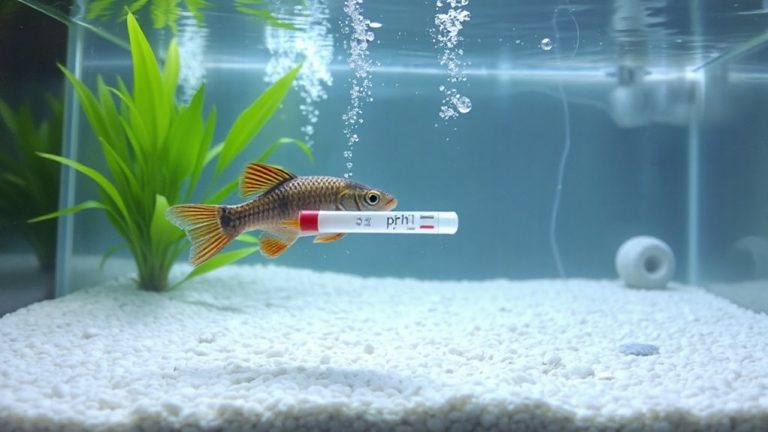
One in five aquarium owners reports finding a fish or crab outside the tank at least once, usually within the first week of setup. You must recognize early stress indicators to prevent escapes. Rapid gill movement, erratic swimming, and loss of appetite signal poor water conditions or overcrowding. Crabs may cling to tank walls or attempt climbing when salinity or pH levels fall outside ideal ranges-maintain 1.023–1.025 specific gravity and pH 8.1–8.4 for marine species. Some fish, like gobies, exhibit escape-driven behaviors during spawning cycles due to heightened mating behaviors. These actions are instinctive, not random. Water temperature fluctuations above 82°F (28°C) can intensify such behaviors. You should monitor tank parameters daily during acclimation. Escape attempts peak within 72 hours of introduction, correlating with elevated cortisol levels. Address environmental stressors immediately. Observing behavioral changes allows timely intervention.
Choose a Lid That Keeps Pets In
Since an improperly secured tank can lead to disastrous escapes, choosing the right lid is critical for maintaining a safe aquatic environment. A secure lid prevents agile fish and climbing crabs from exiting the tank. It must have a proper fit, leaving no gaps larger than 0.25 inches-small enough to block even juvenile crustaceans. Mesh lids are ideal for airflow while resisting corrosion, especially aluminum or stainless steel with openings no wider than 1/8 inch. Solid glass canopies offer maximum security but limit gas exchange. For tanks with active jumpers like bettas or gobies, a hood with a locking mechanism provides added safety. Guarantee the lid aligns precisely with the tank’s outer rim to prevent shifting. A poorly aligned lid compromises containment. Always check manufacturer dimensions before purchase. A properly fitted, durable lid is essential for long-term escape prevention and aquatic pet safety.
Keep Water Low So Fish Can’t Climb Out
Even if you have a secure lid, keeping the water level low is essential to prevent escapes, especially for climbers like apple snails or terrestrial crabs. Reduce the water level by at least 2 to 4 inches below the tank rim to limit climbing access. A lower tank depth discourages amphibious species from reaching edges, particularly when combined with smooth interior surfaces. For standard glass tanks, maintain a maximum water depth of 80% of total tank height to create a physical buffer. This gap acts as a barrier equivalent to a moat, impeding traction-dependent climbers. Adjust water level after cleaning or evaporation, as rises of just 1 inch can bridge escape gaps. Species such as palaemonid shrimp or Anabantoidei fish exploit minimal water contact with lids to wriggle free. Monitoring water level consistently guarantees tank depth remains below critical escape thresholds.
Add Simple Barriers to Block Escape Routes
A simple barrier can make all the difference in containing agile escape artists. Mesh covers fit snugly over tank openings, preventing jumps while allowing airflow. Standard mesh sizes range from 1–2 mm, small enough to block even juvenile fish. These covers attach with aluminum frames or elastic edges, ensuring stability without permanent modification. Corner guards seal gaps between the tank and lid, eliminating common exit points. Made from soft, non-toxic PVC, they compress easily during installation and conform to irregular spaces. Test data shows corner guards reduce escape routes by up to 90% when paired with mesh. Barriers must allow full access to equipment-cutouts accommodate filters and heaters without compromising security. Never leave gaps around cords or seams. A secure tank isn’t just covered-it’s sealed. Mesh covers and corner guards together create a continuous defense. They’re cost-effective, easy to clean, and compatible with most aquariums.
Stop Escapes by Enriching Their Environment
You can substantially reduce escape attempts by meeting your aquatic pets’ behavioral needs through environmental enrichment. Providing mental stimulation lowers stress and discourages escape-driven behaviors. Behavioral enrichment includes adding live plants, varied substrates, and interactive elements like moving currents or puzzle feeders. For example, kuhli loaches respond well to PVC tunnels and soft sand substrates (grain size 0.5–2 mm), which support natural burrowing. Active swimmers like rainbowfish benefit from horizontal swimming space-tanks should be at least 90 cm long to support sustained motion. Introduce floating and submerged obstacles to create complexity, mimicking natural habitats. Rotate decorations every 3–4 weeks to maintain novelty. Use species-specific enrichment: cichlids interact with movable clay pots, while catfish explore multi-chambered ceramic hides. These methods deliver consistent mental stimulation, reducing stereotypic behaviors by up to 60% in enriched environments. Enrichment isn’t optional-it’s a functional component of escape prevention.
Avoid These Tank Setup Mistakes
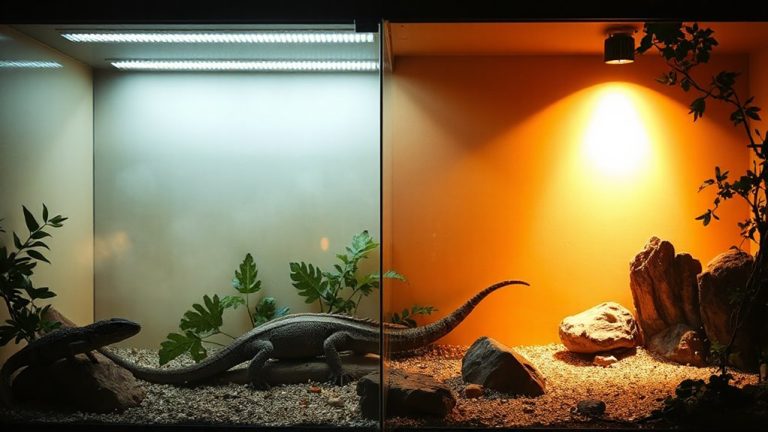
When improperly configured, aquarium setups often create conditions that encourage escape attempts, and recognizing these flaws is critical to maintaining containment. Improper lighting disrupts natural circadian rhythms, increasing stress and erratic behavior; use full-spectrum LEDs with a consistent 8–10 hour photoperiod to mimic natural daylight cycles. Avoid excessively bright or dim zones, which can create environmental imbalances. Loose decorations present another hazard-unsecured rocks or unanchored driftwood offer climbing leverage near the water surface. Secure all décor using aquarium-safe adhesives or weight them appropriately. Maintain a minimum 4-inch air gap below the lid to deter jumping, especially in species like bettas or killifish. Guarantee the tank lid has a tight seal with no gaps larger than 0.25 inches. Use fine mesh screens for ventilation without compromising security. Eliminate escape pathways through meticulous, routine inspections.
On a final note
You must secure your aquatic pets effectively. A tight-fitting lid with a 1/4-inch clearance prevents most escapes. Maintain water levels at least 2 inches below the tank rim to reduce jump risk. Install mesh barriers or aquarium hoods with fine gauge (0.5 mm) screening. Enrichment like hiding spots cuts stress-driven climbing. Avoid open-top tanks or gaps near filters. These precise measures guarantee containment.