Best Snails for Aquariums That Keep Your Tank Clean
You keep your tank clean with nerite snails-they consume up to 70% of biofilm and graze on green spot algae without reproducing in freshwater. Ramshorn snails eat soft algae and detritus, adjusting population based on food availability. Malaysian Trumpet Snails aerate substrate at night, clearing debris. Gold Mystery Snails clean glass and tolerate 68–82°F. All need pH 7.0–8.0, GH 8–18 dGH, and calcium for shell health. A firm operculum means they’re healthy. Continuous foraging supports long-term tank balance.
We are supported by our audience. When you purchase through links on our site, we may earn an affiliate commission, at no extra cost for you. Learn more. Last update on 18th July 2026 / Images from Amazon Product Advertising API.
Notable Insights
- Nerite snails excel at controlling algae like green spot and film algae without harming live plants.
- Malaysian Trumpet Snails clean substrate at night, aerate sand, and reduce detritus buildup effectively.
- Ramshorn snails consume soft algae, uneaten food, and waste, helping to minimize tank pollution.
- Mystery snails graze on biofilm and soft algae, contributing to daily tank cleanliness in larger aquariums.
- Trapdoor snails continuously forage on algae and organic debris, thriving in stable, freshwater environments.
Swimming Creatures™ Nerite Snails (6-Pack)

If you’re setting up a low-maintenance freshwater tank, the Swimming Creatures™ Nerite Snails (6-Pack) are an excellent choice for both beginners and experienced hobbyists. I rely on these snails because they’re peaceful and won’t harm fish or plants. They’re fully compatible with most freshwater species, making them ideal for community tanks. These snails are hardy, adapting quickly to stable water conditions between 6.5–8.0 pH and temperatures from 72–78°F. Each pack includes six assorted, live Nerite snails that actively graze on algae, including tough diatoms, without overbreeding in freshwater. I’ve seen them reduce biofilm by up to 70% in well-balanced tanks.
Best For: Aquarists seeking a low-maintenance, effective algae solution in community freshwater tanks.
Pros:
- Actively controls algae growth, including hard-to-remove diatoms and biofilm
- Safe for plants and fully compatible with most freshwater fish
- Hardy, beginner-friendly snails that thrive in stable freshwater environments
Cons:
- Cannot reproduce in freshwater, limiting population growth
- Requires stable water conditions (6.5–8.0 pH, 72–78°F) to thrive
- May not survive in tanks with aggressive or predatory fish
10 Live Ramshorn Snails for Aquarium

I recommend Live Ramshorn snails (Planorbella duryi) from a sustainable breeding program in the USA, because they deliver consistent algae control in freshwater aquariums without harming live plants. These snails consume brown and green algae, decaying food, and waste. They won’t attack healthy plants-only dead or dying matter. I’ve seen them thrive in pH 7–8, where their shells stay strong. Each order delivers 10 live juveniles, roughly pea-sized, with colors like pink, blue-black, or leopard patterns. They breed quickly, so I manage populations by limiting food. Raised on unsalted green beans and algae wafers, they adapt fast. A starter sample of wafers is included.
Best For: Aquarists seeking low-maintenance, natural algae control that supports a clean and balanced freshwater aquarium without harming live plants.
Pros:
- Effectively consume brown and green algae, uneaten food, and fish waste, reducing tank maintenance
- Safe for planted aquariums-only feed on decaying organic matter, not healthy plants
- Adapt well to a range of freshwater conditions and come with a starter food sample for easy transition
Cons:
- Rapid breeding can lead to overpopulation if food is not carefully managed
- Require pH between 7–8 for optimal shell health, limiting suitability for soft or acidic water setups
- Juvenile snails are small and may be overlooked or predated upon by larger fish initially
6+ Large Malaysian Trumpet Snails
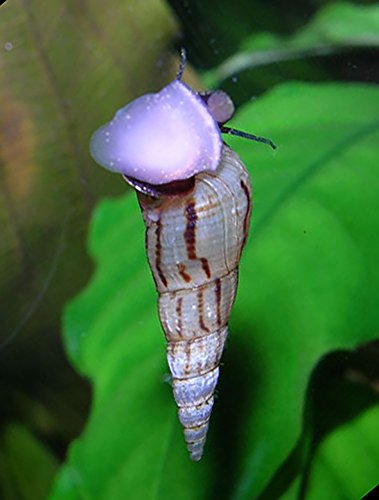
Large Malaysian Trumpet Snails are my go-to choice for freshwater aquariums needing reliable, low-maintenance cleanup crews. I keep six or more in my tank because they work best in groups. These snails range from 1/2 to 1 inch, making them large enough to handle debris efficiently but small enough to avoid overcrowding. They eat algae and consume leftover food, reducing detritus buildup. Their burrowing behavior aerates the substrate, which prevents anaerobic pockets. Think of them as natural tank vacuum systems. They’re sold in packs of six or more. A BUY2 GET1 deal adds value.
Best For: Aquarists seeking a low-maintenance, natural solution to control algae and detritus in freshwater aquariums.
Pros:
- Effectively clean algae, leftover food, and debris from the tank bottom
- Improve substrate health by burrowing and aerating the substrate
- Sold in value-packed groups with a BUY2 GET1 promotion for added savings
Cons:
- Can multiply rapidly if overfed or left unchecked
- May become noticeable in large numbers to some aquarists
- Primarily active at night, so their cleaning behavior isn’t always visible
Swimming Creatures™ Ramshorn Snail Live (10 PCS)

The Swimming Creatures™ Ramshorn Snail Live (10 PCS) is ideal for aquarium enthusiasts seeking vibrant, hardy cleanup crews that thrive in stable freshwater environments. I receive 10 live snails-five pink, five blue-each measuring 1 to 1.5 cm. These snails help control algae and consume leftover food, reducing waste buildup. Each arrives with a firm, intact operculum, confirming viability. A damaged operculum plus foul odor indicates death. I follow a 48-hour acclimation rule before reporting issues; DOA coverage applies. Inactivity at first is normal. They adjust gradually. I contact support if concerns arise post-acclimation. They’re efficient, low-maintenance cleaners.
Best For: Aquarium enthusiasts looking for colorful, low-maintenance cleanup crews to control algae and leftover food in stable freshwater tanks.
Pros:
- Adds vibrant color with a mix of five pink and five blue snails
- Helps maintain tank cleanliness by consuming algae and excess food
- Comes with dead-on-arrival coverage and clear viability indicators
Cons:
- Requires a 48-hour wait before reporting any issues, delaying resolution
- Inactivity post arrival may cause concern despite being normal
- Smaller size (1–1.5 cm) may be less visible in larger aquariums
Swimming Creatures™ Red-Racer Nerite Snail (3-Pack)

You’ll find the Swimming Creatures™ Assorted Red-Racer Nerite Snail (3 count) ideal if you maintain a stable, well-established freshwater aquarium with hard water and need efficient, low-maintenance algae control. I thrive in environments with pH 7.0–8.5, temperatures between 72–82°F, and moderate to high water hardness. My shell displays vibrant red, brown, and gold patterns-each one unique. I eat biofilm and algae, but I’ll accept blanched vegetables or calcium supplements for shell strength. I’m peaceful and safe for planted tanks. Acclimate me slowly to avoid shock. Keep your tank covered-I climb. I won’t breed in freshwater, so no population explosions.
Best For: Aquarists with stable, hard-water freshwater tanks seeking natural, low-maintenance algae control without the risk of snail overpopulation.
Pros:
- Efficient algae and biofilm eater, helping to keep tanks clean naturally
- Unique, vibrant shell patterns add visual appeal to any aquarium
- Does not reproduce in freshwater, preventing invasive population growth
Cons:
- Requires slow acclimation to avoid shock from water parameter changes
- Needs a tightly covered tank to prevent escape above the waterline
- Dependent on sufficient biofilm or supplemental feeding for long-term health
10 Live Trapdoor Snails for Aquariums

Trapdoor snails are my top pick for hobbyists who want low-maintenance, efficient cleaners that thrive in stable freshwater environments. These 10 live specimens feature conical shells and a calcified operculum-a hinged “trapdoor” that seals the shell against predators. They forage continuously, consuming algae, detritus, and uneaten food without disturbing balanced ecosystems. Each snail is disease-free, shipped in optimized packaging, and acclimates quickly to pH levels between 6.5 and 8.0. They require no special feeding but benefit from supplemental vegetable matter. Ideal for tanks 10 gallons or larger, they occupy mid-to-lower levels, hiding occasionally in substrate or décor. Their hardiness and natural behavior make them excellent for observation-based learning. Purchase includes a two-week replacement guarantee with proof of purchase.
Best For: Aquarists seeking low-maintenance, natural clean-up crew members that thrive in stable freshwater tanks and contribute to ecosystem balance without special care.
Pros:
- Efficiently consume algae, detritus, and leftover food, helping maintain water quality
- Highly resilient and disease-free with a quick acclimation period to new aquariums
- Provide educational value through observable natural behaviors like foraging and using their operculum for protection
Cons:
- May hide for long periods, making them less visible in the aquarium
- Require tanks of 10 gallons or larger for optimal space and water stability
- Limited impact on heavy algae blooms without supplemental tank maintenance
Swimming Creatures Assorted Mystery Snails (3-Pack)
A resilient addition to any freshwater aquarium, Swimming Creatures Assorted Mystery Snails (3-Pack) thrive in stable, thoughtfully designed environments where water parameters remain consistent. These snails require a spacious tank with plants, driftwood, rocks, and hiding spots to support natural behaviors. Each snail features an intact, firm operculum-a reliable health indicator. If damaged with a foul odor, mortality is likely. Allow 48 hours post-acclimation before evaluating survival; DOA claims require this adjustment window. Contact support after observation if issues persist. They help control algae and detritus, contributing to tank cleanliness without disrupting balance.
Best For: Freshwater aquarium enthusiasts seeking low-maintenance, algae-controlling snails that enhance tank cleanliness and biodiversity.
Pros:
- Helps control algae and break down detritus, contributing to a cleaner, healthier tank
- Features an intact, firm operculum, indicating strong health and resilience
- Adapts well to stable aquarium environments with plenty of hiding spots and natural décor
Cons:
- Requires a 48-hour acclimation period before DOA claims can be made, delaying resolution
- Sensitive to unstable water parameters, necessitating consistent tank conditions
- Risk of mortality if operculum is damaged upon arrival, especially with foul odor
4 Large Malaysian Trumpet Snails

When maintaining a clean and balanced freshwater aquarium, large Malaysian Trumpet Snails are an excellent choice for hobbyists who prioritize substrate health and algae control. I help loosen compacted substrate, preventing harmful gas pockets. My body length ranges from 1/2 inch to 1 inch, ideal for efficient movement through sand or gravel. I actively consume detritus, uneaten food, and microalgae, reducing waste buildup. I climb aquarium glass, plants, driftwood, and rocks, scraping algae with my radula. Each order includes four large, healthy specimens. For better results, take advantage of the special: buy two packs, get one free-boost tank cleaning power efficiently.
Best For: Freshwater aquarium hobbyists seeking natural, efficient cleanup crews to maintain substrate health and control algae.
Pros:
- Effectively consumes detritus, uneaten food, and microalgae, reducing waste buildup
- Loosens compacted substrate to prevent harmful gas pockets
- Actively climbs and cleans aquarium surfaces including glass, plants, and decorations
Cons:
- Can multiply rapidly if overfed or left unchecked
- May become visible pests in some aquarium setups
- Not effective against all types of algae, particularly tougher varieties like black beard algae
Swimming Creatures 5-Pack Mystery Snail
I choose the Swimming Creatures 5-Pack Mystery Snail for aquarists who prioritize hardy, visually engaging cleanup crews in community tanks. These snails are peaceful and fully compatible with fish, shrimp, and other snails, ensuring a harmonious ecosystem. Each pack includes five live freshwater mystery snails in assorted colors, selected for resilience and algae-eating efficiency. A firm, intact operculum indicates successful acclimation; allow 48 hours post-arrival before evaluating survival. They cannot swim but glide along surfaces, consuming biofilm and detritus. DOA claims require contacting support within 48 hours. Customer assistance is available for acclimation guidance.
Best For: Aquarists seeking a peaceful, efficient, and colorful cleanup crew for a community freshwater tank.
Pros:
- Hardiest and visually appealing mystery snails in assorted colors that help control algae and consume biofilm and detritus
- Fully compatible with fish, shrimp, and other snails, promoting a balanced and harmonious tank ecosystem
- Backed by a live arrival guarantee with responsive customer support for acclimation guidance and DOA claims
Cons:
- Requires 48-hour acclimation period before survival can be accurately assessed, delaying full integration
- Operculum damage or foul odor post-arrival may indicate death, requiring careful handling and inspection
- Limited to gliding movement along surfaces; does not actually swim despite product name suggesting otherwise
1 Gold Mystery Snail – BUY2GET1FREE
You’ll want Gold Mystery Snails if you’re maintaining a clean, balanced freshwater aquarium without risking your plants or fish. I use them in my tank because they’re efficient algae eaters and pose no threat to live plants. They consume biofilm, uneaten food, and detritus, reducing ammonia spikes. These snails clean glass, rocks, and driftwood daily, working 24/7 with no downtime. They’re ideal for Betta, Guppy, and community tanks, thriving in pH 7.0–8.0 and temperatures from 68°F to 82°F. Their hardy nature guarantees survival in diverse setups. Best deal? BUY2GET1FREE-maximize cleanup crews affordably while boosting biological balance.
Best For: Aquarists seeking a low-maintenance, plant-safe cleanup crew to control algae and detritus in Betta, Guppy, or community freshwater tanks.
Pros:
- Effectively cleans algae from glass, decorations, rocks, and driftwood without harming live plants
- Helps reduce ammonia spikes by consuming uneaten food, biofilm, and bottom debris
- Thrives in a wide range of freshwater conditions and works well with popular tank mates
Cons:
- Requires calcium-rich water to maintain shell health, which may need supplementation in soft water
- May reproduce rapidly if food sources are abundant, potentially leading to overpopulation
- Sensitive to sudden water parameter changes, especially copper-based treatments
Factors to Consider When Choosing a Snail for Aquarium
You need to match your snail to your tank size-most species require at least 5 gallons to thrive. Check water parameters first, since snails like Nerites need stable pH (7.0–8.0) and harder water with calcium for shell health. They’re great for algae control, but make sure your pick won’t harm live plants, like some Bulleyes that stay peaceful while grazing.
Tank Size Compatibility
When selecting a snail for your aquarium, tank size compatibility is a critical factor that directly impacts both the snail’s well-being and the overall tank environment. Small species like nerites or ramshorns thrive in tanks as small as 5 gallons, thanks to their low bioload and compact size. Larger snails, such as mystery or trapdoor snails, need at least 10 gallons to support their growth and active movement. Overstocking-like keeping one snail per gallon or more-risks oxygen depletion and spikes in waste. Burrowing types, including Malaysian trumpet snails, require 1.5 to 2 inches of substrate to dig safely without toppling decorations. Climbing snails, especially nerites, need vertical space and a tight lid to prevent escapes. Choose species that match your tank’s volume, shape, and setup to maintain balance and avoid stress or system failure.
Water Parameters Match
Proper water parameters directly influence a snail’s physiology and long-term survival, just as tank size affects space and movement. You must match your snail species to your aquarium’s pH, ideally maintaining 7.0–8.5 for healthy shell development. Outside this range, shells weaken or dissolve. Keep water temperature between 72°F and 82°F-this range supports peak metabolism in most tropical species. Deviations slow activity or cause stress. You’ll need moderate to high water hardness (GH 8–18 dGH), as calcium is essential for shell integrity. Soft water leads to deterioration. Avoid sudden parameter swings; stability guarantees proper osmoregulation. You should also test regularly and acclimate slowly. All recommended aquarium snails require freshwater. Even slight salinity exposure harms them. Match species to your tank’s stable, low-salinity conditions. Your diligence guarantees survival, not just tolerance.
Algae Control Ability
Choose snails wisely to harness natural algae control without disrupting tank balance. Nerite snails are top performers, consuming green and brown algae on glass, rocks, and plants without harming live vegetation. Their grazing is relentless and highly targeted, making them ideal for preventive maintenance. Ramshorn snails eat soft green and hair algae while also breaking down uneaten food and detritus, boosting overall cleanliness. Malaysian Trumpet Snails work at night, clearing biofilm and microalgae, but they aren’t primary algae controllers. Mystery snails graze gently on algae films and leftover food, though they’re less effective than nerites or ramshorns. Trapdoor snails forage on biofilm and soft algae, yet their main benefit lies in detritus processing. For strong algae suppression, prioritize nerites or ramshorns based on tank needs and growth levels.
Plant Safety Record
While algae control is a key reason for adding snails to your tank, their impact on live plants matters just as much. Nerite snails are plant-safe, grazing exclusively on algae without touching healthy or decaying plant matter. Ramshorn snails consume algae and detritus but only feed on dead or decaying plant material, leaving live plants unharmed. Malaysian Trumpet Snails improve substrate health by burrowing and aerating sediment while eating detritus and leftover food; they do not target live plants. Mystery snails may nibble soft decaying leaves but typically avoid healthy, robust growth. Trapdoor snails forage on biofilm, algae, and organic debris, posing no threat to live vegetation. All these species maintain a clean tank without compromising plant integrity. Choose wisely to balance cleanliness and plant preservation. Each snail type offers reliable performance in planted environments when stocked appropriately.
Activity Level Observation
You can spot a healthy snail by watching how it moves and responds in your tank. Observe your snail during both day and night, as some species are nocturnal and show peak activity in low light. Look for steady, purposeful movement across glass, plants, or substrate-this signals active foraging. Consistent gliding indicates strong muscular foot function and good health. Check for burrowing behavior; species like Malaysian trumpet snails routinely tunnel into sand or gravel, aerating the substrate and preventing compaction. Monitor feeding right after introduction: healthy snails graze algae, biofilm, or detritus within hours. Assess responsiveness to mild water current shifts or light changes, which reveals intact sensory systems and natural exploration instincts. Avoid snails that remain immobile for over 24 hours or cling motionless at the water’s surface. Active, alert behavior correlates directly with effective tank cleaning performance.
Breeding Rate Management
A single snail can lead to a population explosion in as little as two weeks if you’re unaware of its reproductive biology. Some species double their numbers rapidly under ideal conditions, especially when excess algae and detritus are present. You can control breeding by limiting food availability-fewer nutrients slow reproduction. Hermaphroditic types, like pond snails, self-fertilize, so even one individual can start an outbreak. Check tank surfaces regularly; many species lay gelatinous egg clutches above the waterline or on glass, allowing easy manual removal. Introduce feeding schedules with built-in fasting periods to disrupt reproductive cycles. Avoid constant access to waste, which fuels rapid development. Choose species with lower fecundity if containment is a concern. Managing these biological and environmental factors gives you precise control over population dynamics without resorting to chemical treatments or drastic tank resets.
Peaceful Tank Coexistence
When selecting a snail for your aquarium, prioritizing peaceful coexistence guarantees long-term harmony within the community. Peaceful species like Nerite and Mystery snails avoid aggression and territory disputes, making them ideal for mixed tanks. They won’t harm healthy live plants, instead grazing on algae, biofilm, and decaying matter-effectively cleaning without disruption. Non-predatory by nature, they ignore fish, shrimp, and other invertebrates, reducing stress in sensitive species. Their slow, solitary foraging behavior prevents tank disturbances that fast or social feeders might cause. Choose hardy, non-invasive snails to maintain stable populations without overwhelming ecosystem resources. These snails reproduce at manageable rates and avoid crowding, preserving balance. Their low bioload supports existing filtration without additional strain. Selecting calm, compatible snails guarantees a smoothly functioning, biologically balanced aquarium where all inhabitants thrive together with minimal conflict.
Frequently Asked Questions
Do Snails Need a Heated Tank to Survive?
No, snails don’t always need a heated tank to survive. You can keep most common freshwater snails at room temperature if it stays between 68°F and 78°F. Species like Nerites and Malaysians thrive in stable tropical ranges but tolerate minor fluctuations. Avoid sudden drops below 60°F, which can slow metabolism or prove fatal. Use a heater to maintain consistency, especially in cooler climates, ensuring long-term health and activity.
Can Snails Live With Betta Fish Peacefully?
Yes, snails can live with betta fish peacefully if you monitor behavior closely. Betta temperaments vary-some ignore snails, others attack. Choose hard-shelled species like mystery or nerite snails, which retreat when threatened. Snails help reduce algae and detritus, improving water quality. Maintain pH 7.0–8.0 and temperature 76–82°F to support both species. Avoid overstocking; provide hiding spots with plants or decorations to minimize stress and aggression.
How Long Do Aquarium Snails Typically Live?
Aquarium snails typically live 1 to 3 years, depending on species and care. You can expect nerites to reach 2–3 years with stable water parameters. Mystery snails live about 1–2 years, shorter if temperatures exceed 82°F. Bladder snails survive 1 year, while ramshorns may reach 1–2 years. Proper feeding, clean water, and low stress extend lifespans. You’ll notice slowed movement or retracted bodies as signs of aging.
Do Snails Help Control Algae in Tanks?
Yes, snails help control algae in tanks. You’ll see them grazing constantly, consuming biofilm and soft algae off surfaces. Nerite snails excel, eating diatoms and green algae but not reproducing in freshwater. They live 2–3 years and grow to 0.5–1 inch. Mystery snails also graze algae but require calcium for shell health. Overstocking can backfire, though-excess waste may fuel more algae. Use snails as part of a balanced approach.
Are These Snails Safe for Planted Aquariums?
Yes, these snails are safe for planted aquariums. You won’t see them harm healthy plant tissue when proper feeding and population control are maintained. Nerite snails, for example, graze on algae but don’t eat live plants. Their calcium carbonate shells require stable water hardness (dGH 8–16) to prevent deterioration. At 0.5–1 inch long, they navigate leaves without damage. With a lifespan of 1–2 years, they offer consistent algae control without overrunning your tank.