Treating Pyoderma in Dogs: Causes, Antibiotics, and Skin Care Routines
Your dog’s pyoderma is usually caused by *Staphylococcus pseudintermedius* invading compromised skin due to allergies, trauma, or hormonal issues. Your vet will prescribe oral antibiotics like cephalexin at 10–30 mg/kg every 8–12 hours for at least 3–4 weeks. Use medicated shampoos with 2–4% chlorhexidine or 3% benzoyl peroxide, letting them sit for 10 minutes every 2–3 days. Consistent treatment and proper skin care reduce recurrence-there’s more to optimizing recovery with targeted prevention strategies.
Notable Insights
- Pyoderma in dogs is commonly caused by *Staphylococcus pseudintermedius* overgrowth due to allergies, skin trauma, or compromised skin barriers.
- Diagnosis involves cytology, skin scrapings, and bacterial culture to confirm infection and guide effective treatment.
- Oral antibiotics like cephalexin are prescribed for at least 3–4 weeks to fully resolve infection and prevent resistance.
- Medicated shampoos with chlorhexidine or benzoyl peroxide should be used every 2–3 days, with 10-minute dwell time.
- Prevention includes regular chlorhexidine-based hygiene, allergy management, omega-3 supplementation, and routine veterinary monitoring.
What Causes Pyoderma in Dogs?
What makes your dog susceptible to pyoderma? Bacterial overgrowth is a primary trigger, often stemming from underlying issues like allergies or hormonal imbalances. Normally, your dog’s skin maintains a balanced microbiome, but when disrupted, bacteria like *Staphylococcus pseudintermedius* proliferate. This overgrowth compromises the skin barrier, leading to infection. Skin trauma-whether from scratching, bites, or abrasions-creates entry points for pathogens. Damaged skin lacks protective integrity, enabling bacteria to invade deeper layers. Moist environments, poor grooming, or preexisting dermatitis increase risk. Immunosuppression or chronic conditions further impair natural defenses. You’ll notice redness, pustules, or crusting, typically in skin folds or traumatized areas. Early detection is critical. Preventive measures include routine hygiene, managing allergens, and addressing underlying health issues promptly. Controlling contributing factors reduces recurrence and supports long-term skin health.
How Vets Diagnose Pyoderma
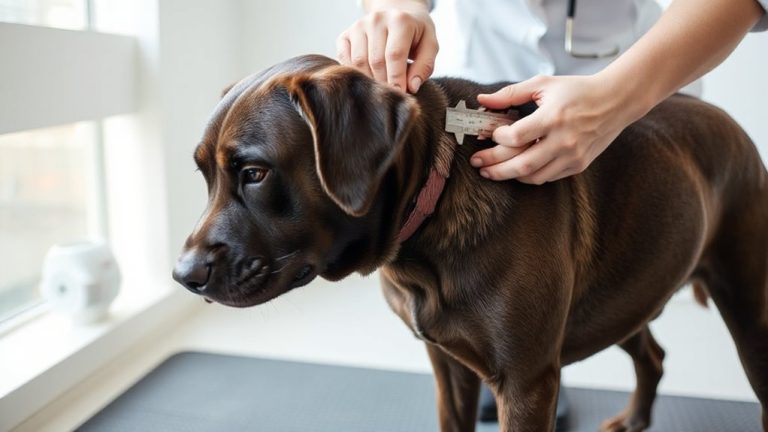
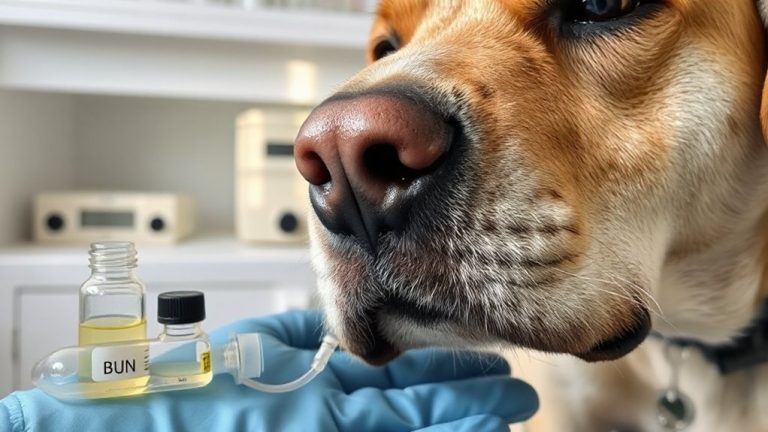
How do veterinarians confirm a pyoderma diagnosis when your dog has red, itchy skin lesions? They start with a thorough physical exam, looking for pustules, papules, and crusting typical of bacterial skin infections. Your vet will likely perform a skin scraping to rule out mites like *Demodex*, which can mimic pyoderma. The sample is examined under a microscope using a 10x to 40x objective to identify parasites. A cytology slide is also prepared from skin impressions, stained with Diff-Quik, and evaluated for cocci bacteria and neutrophils. If infection is recurrent or unresponsive, a bacterial culture is taken-typically via sterile swab of a pustule or intact lesion-to identify the pathogen and test antibiotic sensitivity. This guarantees targeted treatment. Additional tests like fungal cultures or biopsies may be needed if underlying causes are suspected.
Do Antibiotics Help My Dog’s Pyoderma?
Antibiotics play a key role in treating your dog’s pyoderma once a bacterial infection is confirmed through cytology or culture. They target the overgrowth of bacteria like *Staphylococcus pseudintermedius*, the most common culprit. Oral antibiotics such as cephalexin or clindamycin are typically prescribed at appropriate dosages-usually 10–30 mg/kg every 8–12 hours depending on the drug. Treatment duration matters: you’ll need to continue antibiotics for at least 3–4 weeks, often longer, to prevent recurrence. Stopping early contributes to antibiotic resistance, a serious concern in veterinary medicine. Always complete the full course even if symptoms improve. Lab-guided therapy using culture and sensitivity testing helps avoid ineffective medications. Proper treatment duration and targeted antibiotic selection reduce the risk of resistant strains developing.
Shampoos That Help Fight Pyoderma
Medicated shampoos are a cornerstone of topical therapy for canine pyoderma, working alongside systemic treatment to clear infection and prevent recurrence. These shampoos reduce bacterial load, remove crusts, and soothe inflamed skin. You should use medicated shampoos containing 2–4% chlorhexidine or 2–3% benzoyl peroxide, which have proven bactericidal effects against Staphylococcus pseudintermedius. Chlorhexidine maintains residual activity for up to 48 hours post-bath. Benzoyl peroxide exerts comedolytic and follicular flushing actions, enhancing penetration of other topical treatments. For maximum efficacy, let the shampoo lather dwell for 10 minutes before rinsing. Bathe your dog every 2–3 days initially, then weekly as lesions resolve. Always follow your vet’s guidance to avoid skin irritation. Medicated shampoos complement oral antibiotics and are essential components of thorough topical treatments. Some of the most effective options also offer relief for dogs with sensitive skin or underlying allergies, making best dog shampoos a valuable consideration when managing chronic or recurrent pyoderma.
Preventing Pyoderma From Coming Back
While treating the current infection is essential, keeping pyoderma from returning requires consistent, targeted strategies that address underlying causes and maintain skin health. Maintaining hygiene is critical-use medicated shampoos with 2–4% chlorhexidine or 3% benzoyl peroxide weekly for two weeks, then biweekly for maintenance. These reduce bacterial load and prevent follicular occlusion. Address moisture trapped in skin folds with daily wipes containing 0.5% chlorhexidine. Prevent recurrence by identifying allergies through intradermal testing or ELISA assays and managing them with hypoallergenic diets or immunotherapy. Boosting immunity includes providing balanced nutrition rich in omega-3 (1,000 mg EPA/DHA per 10 kg body weight daily) and vitamin E (10–40 IU/kg). Vaccines like StaphVAC may reduce relapse in chronic cases. Regular veterinary checkups every three to six months help monitor skin cytology and adjust protocols early, ensuring long-term control.
On a final note
You treat pyoderma by addressing its bacterial cause, typically with antibiotics like cephalexin at 22 mg/kg every 12 hours for 3–6 weeks. Cytology confirms infection and guides therapy. Medicated shampoos containing 3% chlorhexidine or 2% miconazole penetrate follicles, reducing Staphylococcus intermedius counts by up to 90% with weekly use. Prevent recurrence by managing underlying allergies, maintaining skin barrier integrity, and following veterinary dermatology protocols.