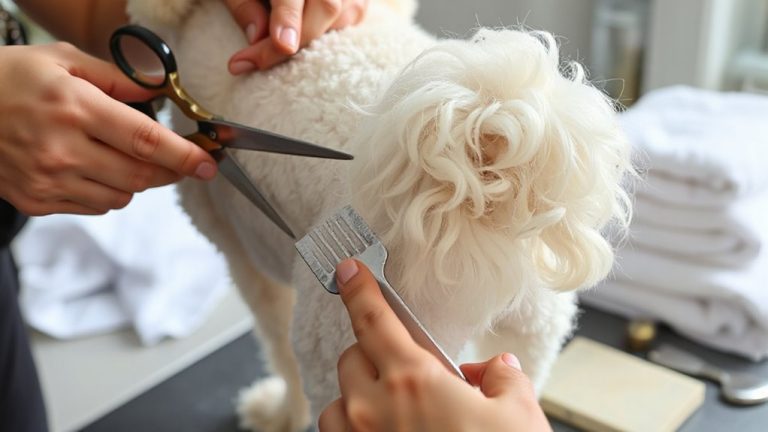
Recognizing Signs of Overexertion in Frail Pets Midway Through Groom Appointments
Watch for excessive panting in cool settings-it signals respiratory distress. A resting respiration rate over 40 breaths per minute demands immediate pause; normal is 20–30. Persistent trembling suggests neuromuscular fatigue or low blood sugar. Check capillary refill time: over two seconds indicates poor circulation. If heart rate exceeds 160 bpm in cats or 140 in small dogs, stop handling. Pulse oximetry below 90% confirms hypoxemia. You’ll recognize how stress escalates risk when you see these indicators align.
Notable Insights
- Excessive panting in a cool environment signals respiratory distress in frail pets during grooming.
- Resting respiration over 40 breaths per minute requires immediate pause and assessment.
- Persistent trembling may indicate neuromuscular fatigue or hypoglycemia in overexerted animals.
- Capillary refill time longer than two seconds suggests circulatory compromise and distress.
- Heart rate exceeding 160 bpm in cats or 140 in small dogs warrants immediate intervention.
The Risks Frail Pets Face During Grooming
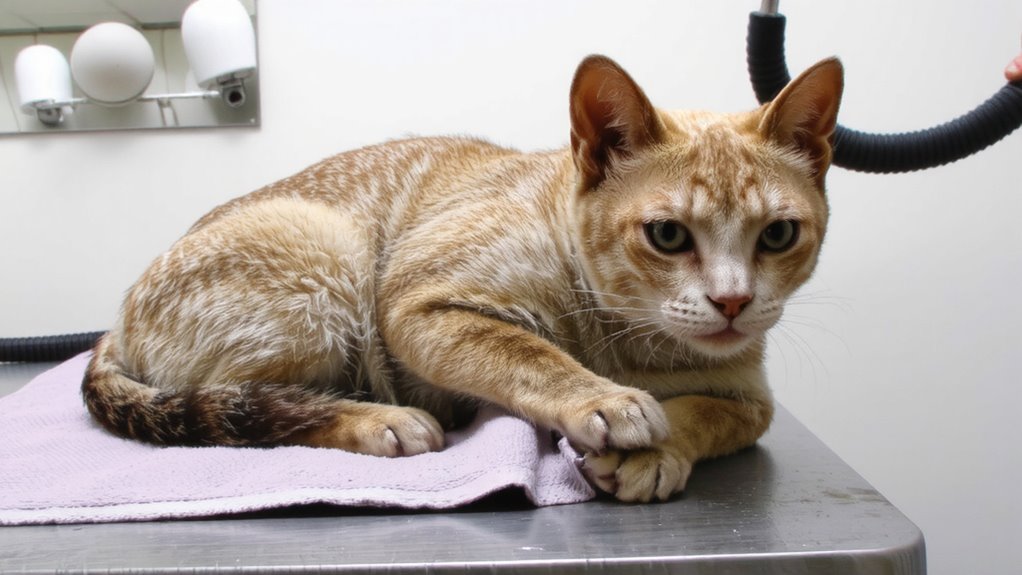
Why do some pets seem to struggle during what should be a routine grooming session? Frail animals often face heightened risks due to underlying health conditions. Stress from handling can trigger heart failure in compromised pets, especially older or chronically ill ones. Even mild exertion may elevate heart rate and blood pressure, overwhelming weakened cardiac systems. You might not realize that restraint, noise, or temperature changes in grooming settings can induce respiratory distress. This condition manifests as rapid breathing, open-mouthed gasps, or cyanosis. Pets with reduced lung capacity have limited oxygen reserve, making prolonged standing dangerous. Monitoring pulse oximetry readings below 90% indicates hypoxemia. Clipper vibrations or tight loops may further restrict movement, increasing metabolic demand. You must assess each pet’s tolerance-consider brief sessions under 20 minutes. Early identification of fatigue signs helps prevent emergencies. Groomers aren’t veterinarians, but recognizing these risks saves lives.
5 Early Signs of Overexertion in Frail Pets
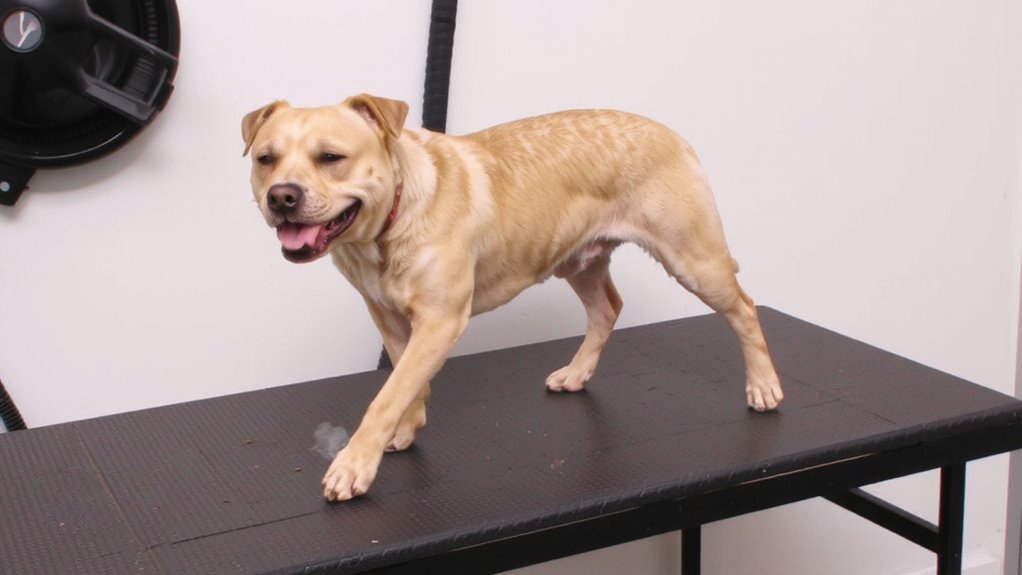
You may notice subtle changes in your pet’s breathing pattern during grooming-this is often the first indicator of overexertion. Panting excessively, even in cool environments, signals respiratory distress and elevated core temperature. Normal resting respiration for small pets ranges 20–30 breaths per minute; exceeding 40 warrants immediate pause. Trembling persistently indicates neuromuscular fatigue or hypoglycemia, especially in geriatric or underweight animals. This involuntary muscle activation reflects energy depletion, not anxiety. Monitor capillary refill time; values over two seconds suggest circulatory compromise. Behavioral cues like head drooping or reluctance to stand correlate with declining stamina. Essential signs should be checked every ten minutes: heart rate above 160 bpm in cats or 140 in small dogs demands intervention. Discontinue grooming if motor coordination deteriorates. Early recognition prevents collapse. Persistent symptoms require veterinary assessment. Document all observations for clinical follow-up.
How Stress Triggers Overexertion in Delicate Animals
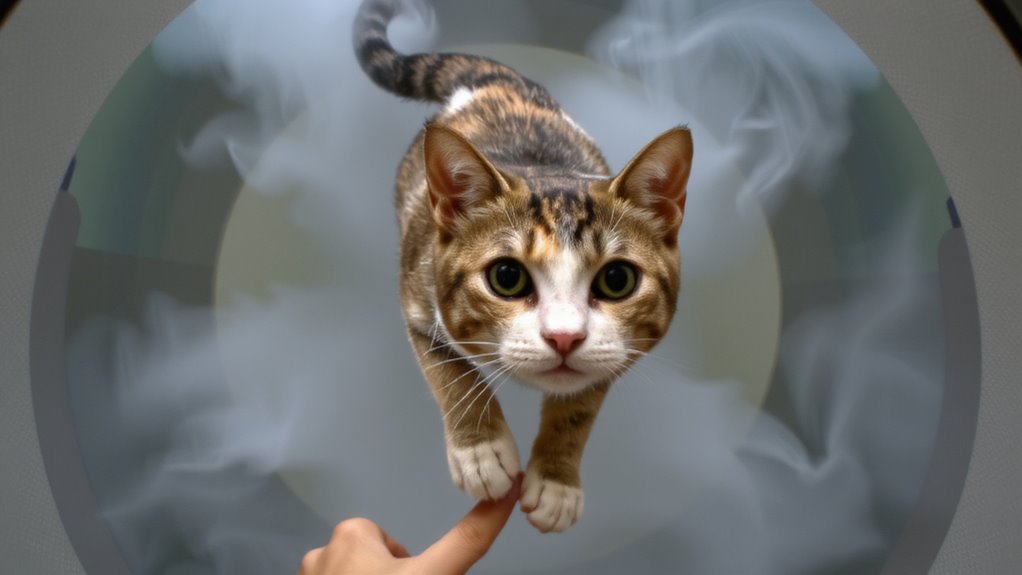
How does a routine grooming session tip fragile animals into overexertion? Stress is the catalyst. You’ll see how chronic anxiety elevates heart rate and blood pressure, increasing metabolic demand in delicate systems. These animals often have heightened environmental sensitivity, reacting strongly to sounds, touch, or temperature shifts. Even mild stimuli trigger adrenaline release, accelerating fatigue. Their autonomic nervous systems struggle to regulate, leading to rapid respiratory rates-often exceeding 40 breaths per minute. This physiological strain compounds quickly. When stress persists, oxygen consumption rises while glycogen stores deplete, reducing energy reserves needed for recovery. Chronic anxiety impairs thermoregulation, increasing risk of hypo- or hyperthermia. Environmental sensitivity magnifies these effects, as constant sensory input overwhelms coping mechanisms. The result? A fragile animal pushed beyond functional limits, not by physical effort alone, but by sustained neurological and hormonal activation. Stress isn’t just emotional-it’s a metabolic burden. Incorporating top anti-stress products can significantly mitigate these physiological responses during grooming.
When to Halt Grooming Immediately
What if your pet’s breathing suddenly spikes to 50 breaths per minute during a routine brush? That’s a red flag. Normal resting respiration for most small pets is 15–30 breaths per minute. A sustained rate above 40 indicates respiratory distress. Immediately stop grooming. Check for panting, open-mouth breathing, or pale gums-these are clinical signs of overexertion. If the environment exceeds 80°F or has poor airflow, heat exhaustion is likely. Body temperature above 103°F in dogs or 102.5°F in cats confirms it. Cease all handling. Move your pet to a cool, quiet area with airflow. Monitor essential signs every five minutes. Do not offer food or water yet. Reassess capillary refill time and gum color. If respiratory distress persists beyond five minutes post-cessation, seek emergency veterinary care. Grooming must never compromise physiological stability. Safety overrides cosmetic outcomes.
How Groomers and Owners Can Work Together
A sudden spike in respiration during grooming isn’t just a signal to stop-it’s a warning that communication between owner and groomer must be proactive, not reactive. You need consistent client communication to prevent overexertion in frail pets. Share medical histories, mobility limits, and behavioral cues before appointments. This information allows for tailored handling techniques and appropriate session lengths. Grooming collaboration means both parties update each other in real time. Use intake forms with checkboxes for health conditions, medication, and past stress responses. Monitor essential signs like heart rate and gum color mid-session. Adjust restraints, use low-noise dryers set below 100 dB, and limit handling to 15-minute intervals. When you align on thresholds for fatigue-such as panting or ataxia-interventions become timely. Effective grooming collaboration reduces risk, improves outcomes, and builds trust through shared observation and documented protocols.
On a final note
You must monitor frail pets closely during grooming. Signs like tachypnea, muscle tremors, or gum pallor indicate physiological stress. A heart rate exceeding 160 bpm in cats or 140 bpm in small dogs signals overexertion. Cease procedures immediately if mentation changes or respiration becomes labored. Collaborate with owners to adjust session length, using 15-minute intervals. Prioritize safety with non-slip surfaces, low-heat dryers, and minimal restraint.