How to Identify and Manage Kennel Cough in Dogs at Home and With Veterinary Care
Your dog may have kennel cough if they develop a dry, honking cough that worsens at night or with exertion. It’s caused by *Bordetella bronchiseptica* and spreads through airborne droplets, especially in crowded spaces. Monitor for fever, lethargy, or nasal discharge-these signal a vet visit. At home, give honey (½–1 tsp small dogs, up to 2 tsp large dogs) and use a humidifier. Vaccination every 6–12 months reduces risk. More details follow on effective prevention and care strategies.
Notable Insights
- A persistent, honking dry cough, often worse at night or after exertion, is the hallmark sign of kennel cough.
- Kennel cough spreads through airborne droplets, direct contact, or contaminated surfaces in places like boarding facilities or shelters.
- Consult a vet if your dog has lethargy, fever, labored breathing, or nasal discharge to rule out pneumonia or other complications.
- At home, soothe symptoms with honey, maintain hydration, use a humidifier, and limit activity and exposure to irritants.
- Prevent outbreaks with Bordetella vaccination, regular disinfection of items, and avoiding contact with infected dogs.
Kennel Cough Symptoms in Dogs
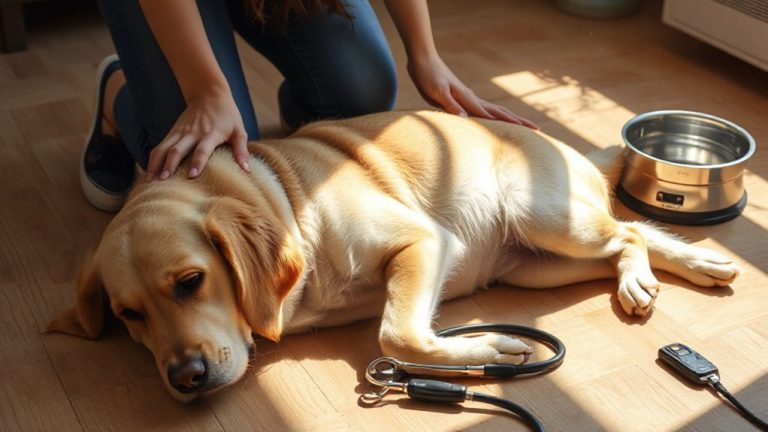
What does kennel cough sound like, and how can you tell it apart from other respiratory issues in dogs? You’ll recognize it by a persistent, forceful dry cough that resembles a goose honk. This isn’t a wet, phlegmy sound-it’s sharp and repetitive, often triggered by exertion or pressure on the trachea, like when your dog pulls on a collar. The dry cough may worsen at night or during temperature changes. Alongside this, you might notice lethargic behavior; your dog seems less interested in play, sleeps more, and moves sluggishly. While appetite often remains normal, lethargic behavior can deepen if secondary complications arise. Unlike pneumonia or heart disease, dogs with uncomplicated kennel cough typically maintain hydration and alertness. The incubation period is 2–14 days, and symptoms last 1–3 weeks. Monitor closely. Distinctive timing, sound quality, and symptom combination help differentiate it from other illnesses. Early recognition improves management.
What Kennel Cough Is and How It Spreads
Kennel cough isn’t just a stubborn cough-it’s a highly contagious respiratory infection caused by a mix of viruses and bacteria. You’ll find *Bordetella bronchiseptica* as the most common bacterial agent, often accompanied by viruses like canine parainfluenza or adenovirus. Transmission routes include airborne droplets, direct contact, and contaminated surfaces-think shared water bowls or kennel fencing. The infection spreads fast in crowded, poorly ventilated spaces like shelters or boarding facilities. Your dog can be contagious during the incubation period-typically 2 to 14 days-before symptoms even appear. The contagious period often lasts up to 10 days after clinical signs develop, though some dogs shed bacteria for weeks. Aerosolized particles travel up to 15 feet in enclosed areas. Vaccination reduces severity but doesn’t block transmission entirely. You must isolate infected dogs immediately to limit spread through these efficient transmission routes.
When to Call the Vet: Warning Signs
How quickly should you act when your dog’s cough worsens? Immediately. A mild cough can escalate within 24–48 hours, especially if your dog shows persistent lethargy or decreased appetite. These signs suggest the infection may be progressing beyond the upper respiratory tract. Normally, dogs with kennel cough remain energetic and eat regularly; deviations indicate systemic involvement. Monitor your dog’s temperature-fevers above 103°F (39.4°C) signal a deeper infection. Labored breathing, nasal discharge, or a cough that increases in frequency or sounds honking or retching demands veterinary assessment. Secondary bacterial infections like pneumonia can develop, particularly in young, old, or immunocompromised dogs. Your vet may prescribe antibiotics or anti-inflammatories based on clinical findings. Early intervention prevents complications and reduces transmission risk to other dogs. Don’t wait-call your vet at the first sign of these red flags. Over-the-counter options may provide symptomatic relief, but only after consulting your veterinarian to rule out more serious conditions, and selecting the right OTC Kennel Cure is critical for safe home management.
Caring for a Dog With Kennel Cough
Why does your dog keep coughing after daycare or a vet visit? Kennel cough, or canine infectious tracheobronchitis, is highly contagious and often spreads in social settings. You’ll need to support recovery with proper care at home. Use home remedies like honey (½ to 1 teaspoon for small dogs, 1 to 2 for large breeds, up to three times daily) to soothe the throat. Maintain hydration by offering fresh water frequently and consider adding warm broth to encourage drinking. Provide hydration tips to prevent mucus thickening-dogs need 1 ounce of water per pound of body weight daily. Use a humidifier to keep air at 50–60% humidity, easing airway irritation. Limit activity to short leashed walks. Avoid smoke and strong odors. Monitor symptoms closely, and never administer human medications without veterinary approval. Rest and supportive care are essential for recovery.
How to Prevent Kennel Cough in Dogs
Keeping your dog healthy after recovering from kennel cough starts with stopping the infection before it begins. Follow proper vaccination schedules to markedly reduce the risk of infection. The Bordetella vaccine, available in intranasal, oral, and injectable forms, should be administered every six to twelve months depending on exposure risk. Combine this with consistent hygiene practices like disinfecting food/water bowls, toys, and bedding weekly using veterinary-approved cleaners. Avoid close contact with infected dogs, especially in high-density areas like kennels or dog parks.
| Prevention Method | Type | Frequency |
|---|---|---|
| Bordetella Vaccine | Intranasal/Oral/Injectable | Every 6–12 months |
| Surface Disinfection | Veterinary-approved cleaner | Weekly |
| Handwashing After Handling Dogs | Soap and water | After each contact |
On a final note
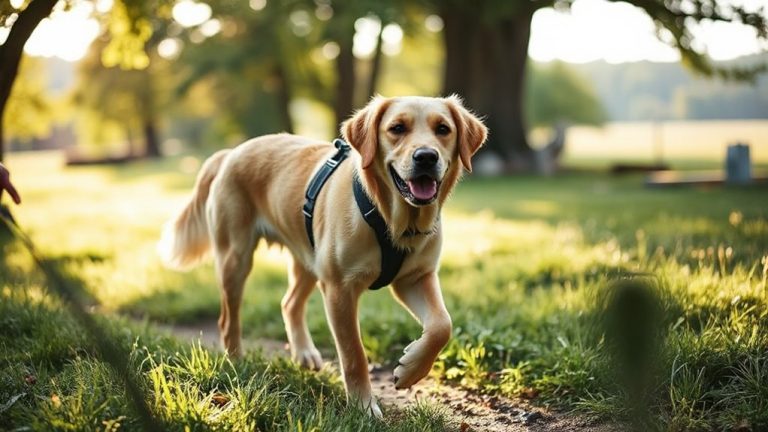
Your dog’s recovery depends on timely action and proper care. Kennel cough, caused by Bordetella bronchiseptica and parainfluenza virus, spreads rapidly in crowded environments. Mild cases resolve in 10–14 days with rest and hydration. Use a harness instead of a collar to reduce tracheal irritation. Antibiotics like doxycycline may be prescribed if bacterial infection is confirmed. Vaccines, including intranasal and injectable forms, reduce risk but don’t guarantee immunity.