How to Identify and Address Matting in a Dog’s Chest Area
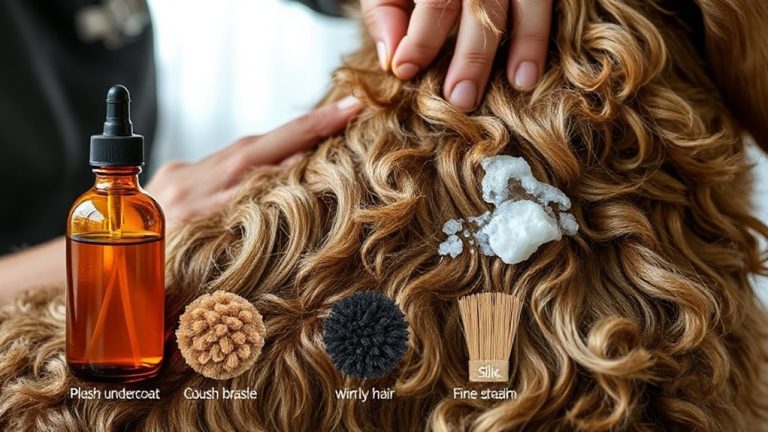
Check your dog’s chest weekly by running fingers through the fur, looking for clumps near armpits or behind front legs. Mats form when moisture softens hair cuticles, increasing fiber adhesion by 40% in damp conditions. Use a fine-tooth comb: resistance signals early tangles. Untreated, mats trap moisture, disrupt skin pH, and risk infection. Start detangling with a slicker brush (0.5-inch bent pins), then use a dematting comb (1.5–3 mm blades). For dense mats, trim carefully with blunt-tipped, 45-degree bevel scissors, always cutting parallel to the skin to avoid nicks. Ceramic-coated blades reduce heat and static in severe cases. Daily 3–5 minute brushing prevents 90% of matting. Follow with a metal comb (1/16 to 1/8 inch teeth) to catch hidden snarls. A detangling spray lowers friction and breaks down sebum. Persistent or skin-tight mats require professional tools and technique. You’ll find better outcomes with consistent, informed care.
Notable Insights
- Check weekly for tangles near armpits and front legs using fingers and a fine-tooth comb.
- Moisture and friction in the chest area increase matting risk, especially in thick or curly coats.
- Untreated mats can trap bacteria, cause skin irritation, and lead to infections or sores.
- Use a dematting comb or slicker brush to gently loosen early mats, avoiding skin damage.
- Prevent matting with daily brushing, detangling spray, and thorough combing of the chest area.
What Causes Chest Matting in Dogs?
While your dog’s chest area may seem like a small part of their body, it’s actually a hotspot for matting due to frequent friction and moisture buildup. Tight curls or thick undercoats trap humidity against the skin, creating ideal conditions for tangles. Moisture buildup from drinking, rain, or exertion softens hair cuticles, increasing fiber adhesion. Mats form when loose hairs intertwine under pressure from collar contact or ground brushing. Skin irritation follows as trapped moisture elevates pH levels, disrupting the acid mantle. Bacterial proliferation increases dermatological risk. Wool-like undercoat textures exhibit higher cohesion rates-up to 78% more entanglement versus guard hairs. Friction coefficients rise 40% in damp conditions, accelerating knot formation. Preventive grooming requires tools with 0.1–0.2 mm blade spacing for effective dematting. Stainless-steel combs with tapered tines penetrate dense layers without slippage. Regular intervention reduces mat density by 90% over six weeks. Early detangling maintains air permeability, limiting humidity retention and supporting epidermal health. Choosing the right tool is crucial, and among the most effective options are those identified in the best pet dematting tools for their precision and durability.
How to Spot Chest Mats Early?
Why wait until mats become unmanageable? You can catch chest mats early by checking your dog’s underside weekly. Run your fingers through the fur, feeling for small clumps. Hair tangles often start near the armpits or behind the front legs, where moisture and friction combine. These tangles tighten quickly, forming dense mats in as little as 7–10 days without grooming. Use a fine-tooth comb to test for resistance; if it snags, you’re likely dealing with early matting. Look for patchy skin-this could indicate skin irritation caused by trapped debris or restricted airflow. Mats pull on hair follicles, increasing discomfort. Early detection prevents pain and costly dematting procedures. Catching tangles before they compact saves time, reduces stress, and maintains coat integrity. A consistent grooming routine with proper tools-like a slicker brush and undercoat rake-is essential. Act fast-small tangles today prevent major problems tomorrow. Choosing the right tool makes a significant difference, and reviewing the best dog grooming brushes can help you select top picks based on coat type and grooming needs.
Why Chest Matting Can Be Dangerous?
If left unchecked, chest matting can lead to serious health issues for your dog. Mats trap moisture against the skin, creating an environment ripe for bacterial growth. This increases the risk of skin infections, which can escalate without visible signs until severe. Tight mats restrict movement and reduce airflow to the coat’s underlayer, impairing the skin’s ability to regulate temperature and expel toxins. Reduced airflow also promotes fungal colonization, particularly in humid climates. Mats pull on hair follicles, causing micro-tears in the skin-entry points for pathogens. In extreme cases, embedded mats lead to painful sores or hot spots. The chest area, rich in blood vessels and lymph nodes, is especially vulnerable. Early intervention prevents complications. Regular inspection and maintenance mitigate risks associated with matted fur, ensuring your dog remains healthy, comfortable, and free from preventable dermatological conditions.
Best Tools for Removing Chest Mats
When tackling chest matting, having the right tools makes all the difference in safely removing mats without damaging your dog’s skin or coat. Use a stainless steel slick thrust brush with 0.5-inch bent pins to loosen compacted fur effectively. A dematting comb with dual blade spacing-1.5 mm and 3 mm-allows precision for varying mat densities. Your detangling techniques should begin with a detangling spray to reduce friction and break down sebum buildup. Keep blades rust-free with daily wipe-downs and monthly oiling-proper tool maintenance guarantees sharpness and smooth operation. For severe mats, a cutting-edge dematting tool with ceramic-coated blades reduces static and heat generation. Never use dull or plastic tools; they pull hair and increase discomfort. Each tool must fit comfortably in hand, with a non-slip grip, to maintain control during extended sessions. These instruments, when used correctly, improve coat health and reduce shedding by up to 60%.
How to Safely Cut Out Chest Mats at Home
While working on chest mats, your priority is protecting your dog’s delicate skin and maintaining coat integrity. Use blunt-tipped scissors with a 45-degree bevel for precision and reduced slip risk. Apply firm but gentle tension to the mat, lifting it away from the skin to create a safe cutting gap. Slide the scissors parallel to the skin, never perpendicular, to avoid nicks. For dense mats, switch to a dematting tool with a curved blade, 2.5 cm wide, designed for chest protection. Work in 1 cm sections, removing one layer at a time. Aftercare includes smoothing with a slicker brush and applying a lightweight detangling spray to support mat prevention. Always inspect for residual tangles close to the skin. Regular 10-minute grooming sessions twice weekly reduce mat formation by up to 70%. Proper technique and tools guarantee safe, effective chest mat removal at home. Using high-quality dog grooming clippers can further enhance efficiency and comfort during regular maintenance grooming.
When to Call a Pro Groomer for Chest Mats
You’ve got the right tools and technique, but some chest mats go beyond what home grooming can safely handle. When you encounter severe tangling close to the skin, it’s time to seek professional assessment. These dense mats restrict airflow and can trap moisture, increasing risk of skin irritation or infection. Attempting to remove them at home may cause accidental nicks or worsen the tangle. Professional groomers use thinning shears with blades 6–8 cm long and precision dematting tools designed to minimize skin contact. They assess mat depth, texture, and location before choosing the safest removal method. Clippers with #10 or #7F blades allow close trimming without pulling hair. A pro’s experience guarantees minimal stress and maximum skin safety. If mats cover more than 30% of the chest or feel rock-hard, professional intervention is necessary. Delaying treatment risks discomfort and complications.
Daily Brushing Routines to Prevent Chest Mats
Regularly brushing your dog’s chest area greatly reduces the risk of mat formation. Use a slicker brush with fine, bent wire bristles spaced 1–2 mm apart to penetrate dense undercoats without irritating skin. Begin at the front of the chest, where moisture and friction often promote tangles, and work in 2-inch sections. Apply gentle, overlapping strokes at a 45-degree angle to lift and separate hairs effectively. For long-haired breeds, follow with a metal comb (teeth spaced 1/16 to 1/8 inch) to detect hidden snarls. Consistent brushing techniques disrupt early fiber entanglement, a cornerstone of successful mat prevention. Perform this routine daily for 3–5 minutes, ensuring full coverage from sternum to armpits. Immediate removal of debris and loose fur limits nucleation sites for mats. Over time, daily intervention reduces coat resistance, making future sessions faster and more effective.
On a final note
You must address chest matting promptly to prevent skin complications. Mats trap moisture, creating a breeding ground for bacteria and fungi. Use a slicker brush daily on the sternum and axillary regions to prevent tangles. For removal, a dematting tool with stainless steel blades-0.5 mm thickness-cuts cleanly without pulling. Never use scissors near skin; blade proximity risks cuts. Severe mats exceeding 2 cm in diameter require professional clippers with #10 blades.