How to Create a Weight-Loss Diet for Dogs With Kidney Disease and Fluid Restrictions
Feed your dog a veterinary-formulated renal diet with 14–20% high-biological-value protein from sources like egg whites or lean chicken. Keep phosphorus below 0.5% on a dry matter basis, aiming for 0.5–1.0 g per 100 kcal. Use dry kibble (10–12% moisture) and measure meals precisely. Add steamed, low-phosphorus vegetables like zucchini in moderation. Monitor weight, hydration, and lab values every 4–6 weeks. Consistent adjustments support long-term kidney health.
Notable Insights
- Use dry, low-phosphorus therapeutic renal diets with 14–20% high-quality protein on a dry matter basis.
- Limit daily calorie intake to 250–300 kcal per cup to support weight loss without compromising nutrition.
- Incorporate low-phosphorus vegetables like zucchini and green beans, making up no more than 15% of daily calories.
- Measure dry kibble precisely using a scale or measuring cup to control portions and fluid intake.
- Monitor weight weekly, aiming for 1–2% body weight loss, and track hydration and kidney values through regular blood work.
Choose Low-Phosphorus, High-Quality Proteins for Kidney Health
When managing kidney disease in dogs, one of the most critical dietary adjustments is selecting the right type of protein. You need to prioritize protein quality over quantity. High-quality proteins, like egg whites and lean chicken, have high biological value-meaning they’re efficiently absorbed and produce less waste. This reduces strain on damaged kidneys. At the same time, you must closely monitor phosphorus content. Excess phosphorus accelerates kidney damage. Ideal therapeutic diets contain 0.5–1.0 g of phosphorus per 100 kcal. Look for veterinary formulas labeled “renal support” that meet these specifications. Low-phosphorus, high-quality protein diets slow disease progression better than generic “low-protein” options. They help maintain muscle mass without elevating blood urea nitrogen. Consistency matters. Rotate foods only under veterinary guidance. Your dog’s longevity depends on precise nutrient control-especially protein quality and phosphorus content.
Control Portions While Limiting Fluid From Food
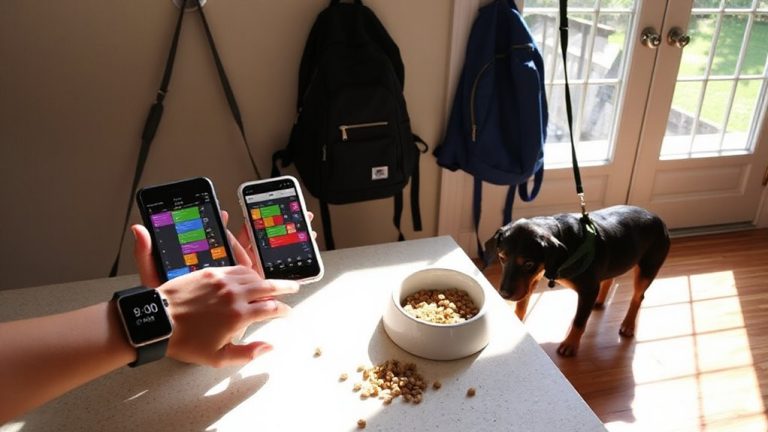
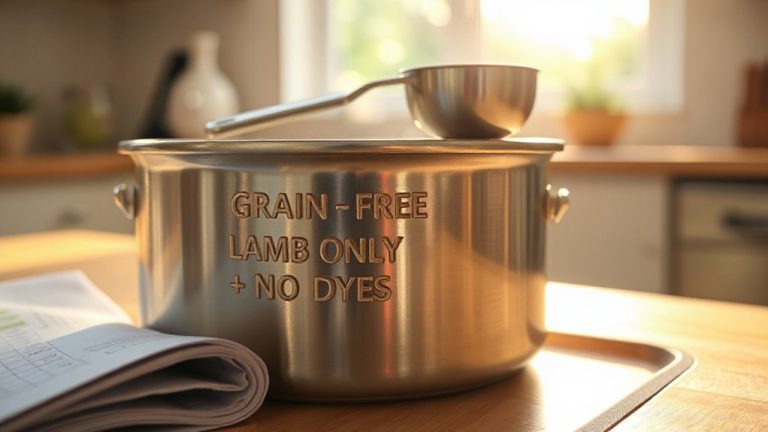
You’ve already taken a key step by selecting low-phosphorus, high-quality proteins that reduce metabolic strain on your dog’s kidneys. Now, portion control becomes critical to manage both weight and fluid intake. Limiting fluid from food is essential when your dog has fluid restrictions. Dry kibble has lower fluid density-typically 10–12% moisture-compared to canned food, which contains 70–80% water. Measuring each meal guarantees precise portion control; use a calibrated measuring cup or digital scale for accuracy. Divide the daily ration into two or three meals to stabilize appetite and reduce strain. High fluid density foods increase total water consumption, potentially worsening fluid retention. Opt for low-moisture therapeutic diets formulated for kidney disease. Monitor your dog’s body condition score monthly. Adjust portions by 10–15% if weight loss plateaus. Consistency prevents overload and supports long-term kidney function.
Add Low-Phosphorus Veggies to Help Your Dog Feel Full
Although satisfying hunger is essential for dogs on restricted diets, you can achieve this without increasing phosphorus intake by incorporating low-phosphorus vegetables. These veggies provide bulk and fiber content, helping your dog feel full while minimizing strain on compromised kidneys. Opt for options like zucchini, green beans, and peeled cucumbers, which contain less than 40 mg of phosphorus per 100 grams. High fiber content slows digestion, stabilizing appetite and reducing begging. Introduce a vegetable variety to maintain interest and guarantee balanced nutrient exposure without spiking phosphorus. Steam or puree vegetables lightly to improve digestibility. Limit portions to 10–15% of total daily intake to avoid gastrointestinal upset. Rotate types weekly to prevent dietary boredom and support gut health. Always consult your vet before making changes. This strategy supports satiety, weight management, and renal function within fluid and phosphorus constraints. For even better results, consider pairing these vegetables with a commercially formulated kidney-support dog food that’s specifically designed to meet the nutritional needs of dogs with renal issues.
Know Why Kidney Disease Complicates Weight Loss
Because kidney disease alters how your dog processes nutrients, losing weight becomes more complex than simply reducing food intake. You must maintain proper protein balance to avoid malnutrition while minimizing kidney strain. High-quality, highly digestible proteins are essential-aim for 14–20% protein on a dry matter basis. Excess protein increases metabolic waste, worsening kidney load, but too little accelerates muscle loss. Calorie density is equally critical. Diets should provide 250–300 kcal per cup to support energy needs without promoting fat storage. Low-calorie, nutrient-dense ingredients help sustain satiety. Phosphorus must stay below 0.5% on a dry matter basis to protect kidney function. Fiber content between 3–5% aids fullness and digestion. You’re balancing metabolic demands with weight reduction. This precision guarantees your dog loses fat, not muscle, while preserving renal function. Selecting a formula specifically designed for kidney support can make a significant difference in managing these complex needs, with best kidney support pet foods offering optimal nutrient profiles for dogs with renal issues.
Watch for Changes and Adjust the Diet Safely
How do you know if your dog’s diet is working? You monitor hydration and track urination daily. Wet nose, sunken eyes, and dry gums indicate dehydration. Weigh your dog weekly; acceptable loss is 1–2% body weight. Sudden drops signal excessive protein or fluid restriction. Measure urine output: less than 20 mL/kg/day suggests concentration issues. Track urination frequency-fewer, darker voids mean poor kidney response. Blood work every 4–6 weeks checks BUN, creatinine, and phosphorus. Adjust protein if BUN exceeds 60 mg/dL. Increase moisture if urine-specific gravity stays above 1.030. Use low-sodium, kidney-safe foods with 14–20% protein (dry matter basis). Never change phosphate binders or fluid therapy without vet approval. Adjustments must balance weight loss and renal support. Consistency guarantees long-term safety. Choosing the right formula can make a significant difference, so consider a best dog food for kidney health that supports both renal function and safe weight management.
On a final note
You must balance nutrition and hydration carefully. Restrict fluids to 10–15 ml per kilogram of body weight daily to avoid overload. Choose high-biological-value proteins like egg whites or lean chicken, limiting phosphorus to under 0.5 g per 100 kcal. Add safe vegetables-zucchini or green beans-for bulk without phosphorus spikes. Monitor weight weekly; adjust portions by 5–10% if needed. Work with your vet to guarantee the diet supports kidney function while promoting safe, steady weight loss.