How to Clean Your Pet’s Face After Exposure to Pesticides
Act fast-clean your pet’s face within 3 minutes to reduce toxin absorption by up to 80%. Use lukewarm water at 25–30°C and a soft, lint-free cloth or non-woven cotton pad. Gently wipe from eye outward, using fresh sections for each pass. Avoid harsh soaps or extreme temperatures. Use at least 500 mL of saline or pH-balanced eye wash if available. Immediate, proper decontamination limits systemic risks and sets the stage for next critical steps.
Notable Insights
- Act immediately: Clean your pet’s face within 3 minutes to reduce pesticide absorption by up to 80%.
- Use lukewarm water (25–30°C) to loosen toxins without increasing skin permeability or driving chemicals deeper.
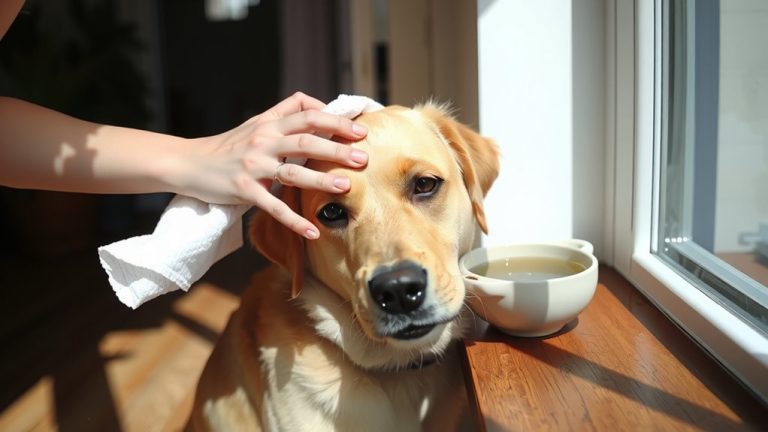
- Gently wipe the face with a soft, lint-free cloth, starting at the eyes and moving outward with gentle pressure.
- Use fresh sections of the cloth or new wipes for each pass to avoid recontaminating the skin.
- Avoid harsh products like bleach or alcohol; rinse thoroughly with at least 500 mL of water or saline.
Act Fast: Why Immediate Cleaning Saves Pets
If your pet has just been exposed to pesticides, time is critical-starting decontamination within minutes can drastically reduce toxin absorption through the skin and mucous membranes. Immediate cleaning is the cornerstone of effective emergency response. Pesticides cling to fur and skin, leaving toxic residue that continues penetrating tissues. You must act before absorption exceeds 50%, which can occur in under 15 minutes. Use lukewarm water at 25–30°C to loosen chemical bonds without driving toxins deeper. Gently flush the face, avoiding eyes and mouth. Absorption rates drop by up to 80% when decontamination begins within 3 minutes. The longer you wait, the higher the systemic load. Toxic residue spreads easily via paws or grooming, increasing exposure risk. Quick intervention limits dermal uptake and prevents secondary ingestion. You’re not just cleaning-you’re halting a physiological cascade. Immediate action directly correlates with survival and recovery speed. Every second delays, risk rises.
Grab These Supplies Before You Clean
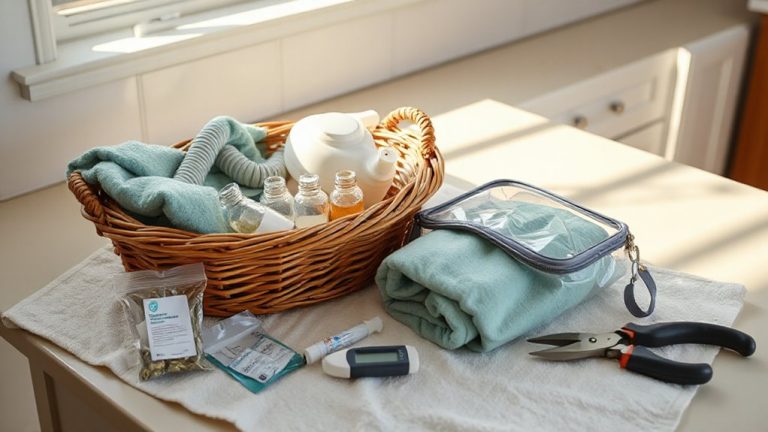
You need the right tools on hand to act quickly and effectively. Gloves first-use nitrile or latex to prevent skin absorption of pesticides during cleanup. They should be powder-free, medical-grade, and rated for chemical resistance (ASTM D6978-05 standard). Gather a clean towel made of soft, absorbent, lint-free cotton or microfiber to minimize irritation and residue. Towel dimensions should be at least 12 x 12 inches for full coverage. Use sterile saline solution or pH-balanced pet eye wash (500 mL bottle, 7.0–7.4 pH) for rinsing. Include cotton pads or gauze (2 x 2 inch, non-woven) for controlled wiping. Avoid paper towels-they shed fibers and can scratch sensitive tissue. Keep supplies in a sealed, labeled kit stored in a dry, cool area. Preparation guarantees response within the critical first 10 minutes post-exposure, reducing toxicity risk.
Wipe Your Pet’s Face Safely: Step by Step
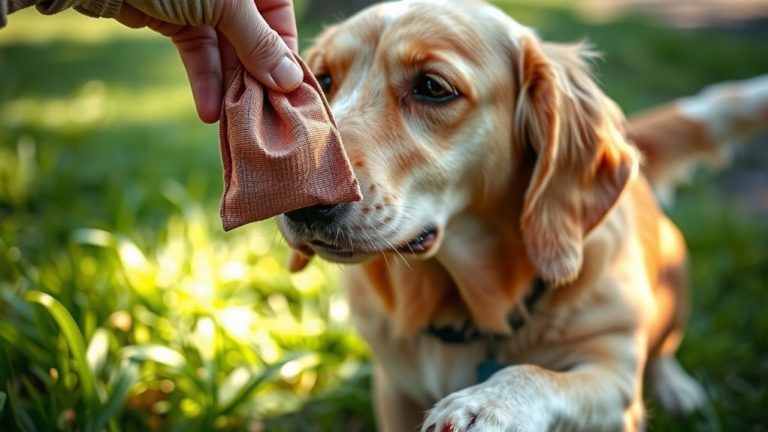
While time is critical after pesticide exposure, staying calm guarantees you can act effectively. Begin by securing your pet gently but firmly to prevent sudden movements. Use a clean, damp cloth soaked in lukewarm water-never hot or cold-to avoid irritation. Apply gentle pressure as you wipe the face, starting from the eyes and moving outward to avoid spreading contaminants. Use a fresh section of the cloth or a new towel for each pass to reduce recontamination risk. Fresh towels absorb moisture efficiently and minimize skin abrasion, especially around sensitive areas like the nose and mouth. Work quickly but deliberately, ensuring full coverage without scrubbing. Cotton or microfiber cloths are ideal due to their low lint and high absorbency. Maintain consistent technique for 2–3 minutes or until visible residue is gone. This method removes up to 90% of surface pesticides when performed immediately.
Mistakes That Make Pesticide Exposure Worse
Rushing through facial decontamination can compromise your pet’s safety, even when following proper wiping techniques. Delayed response increases dermal absorption, raising toxicity risks. Begin rinsing within two minutes of exposure to reduce chemical penetration by up to 80%. Use lukewarm water at 38–40°C, as extreme temperatures can worsen skin permeability. Improper rinsing-using insufficient volume or skipping the eyes, ears, and muzzle-leaves residual toxins. Flush each eye for 10–15 seconds with sterile saline or clean water. Use at least 500 mL of water for full facial rinsing. Avoid harsh soaps; opt for mild, pH-balanced pet cleansers. Never use bleach or alcohol-based solutions-they damage epithelial barriers. Mechanical action matters: wipe gently with soft cloths to prevent micro-abrasions. Immediate, thorough rinsing cuts systemic uptake. Every second delays the decontamination window. Act fast, rinse fully, and follow protocol precisely.
Watch for These Poisoning Signs
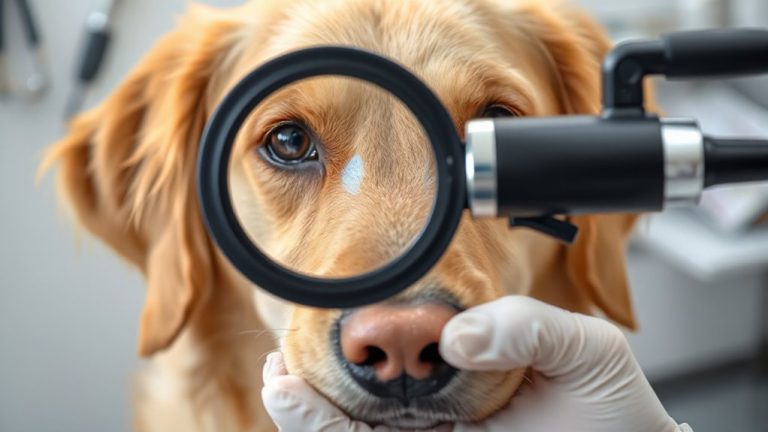
How soon after exposure do poisoning signs appear? Symptoms can emerge within minutes to several hours, depending on the pesticide type and exposure level. Watch closely for facial twitching, which may indicate neurological irritation. This involuntary muscle movement often starts around the eyes or mouth and suggests the toxin is affecting nerve function. Drooling excessively is another red flag, typically resulting from oral irritation or neuromuscular disruption. Saliva production may increase dramatically-your pet might produce two to three times the normal amount. These signs are not typical allergic reactions but indicators of toxicosis. Facial twitching paired with hypersalivation requires urgent attention. Onset speed correlates with absorption rate; lipid-soluble pesticides penetrate membranes faster. Monitor respiratory effort, pupil size, and coordination. Do not wait for all symptoms to appear. Early detection improves outcome markedly. Record symptom onset and progression for veterinary review.
When to Call the Vet Immediately
What should you do when your pet shows distress after pesticide exposure? Watch for emergency symptoms and act fast. Immediate vet consultation can save your pet’s life. If you notice seizures, difficulty breathing, or collapse, call your vet immediately-these are signs of severe toxicity.
| Symptom | Onset Time | Action Required |
|---|---|---|
| Seizures | 10–30 minutes | Emergency vet consultation |
| Labored breathing | 5–20 minutes | Administer oxygen, call vet |
| Excessive drooling | 15–60 minutes | Begin decontamination |
Do not wait. Rapid intervention reduces toxin absorption. Atropine may be required for organophosphate exposure, but only under veterinary supervision. Emergency symptoms demand professional treatment-home care isn’t enough. Immediate vet consultation guarantees access to antidotes, IV fluids, and respiratory support. Time is critical; survival rates drop markedly after 90 minutes without treatment.
Prevent Pesticide Exposure: 6 Proven Tips
While you can’t eliminate every environmental hazard, you can considerably reduce your pet’s risk of pesticide exposure with proactive measures. Store pesticides in labeled, child-proof containers in areas pets can’t access-this is non-negotiable for pet safe storage. Use only EPA-registered pet-safe products with inert carriers like diatomaceous earth. Avoid spraying near food, water, or bedding zones. When applying topical treatments, wear nitrile gloves-part of essential protective grooming gear-to prevent skin transfer. Choose ventilation-rated sprayers with particle droplets below 50 microns for precise, low-drift application. Limit outdoor walks during peak pesticide application hours (6–10 AM). Wash pet paws and face with pH-balanced wipes after outdoor exposure. These steps reduce dermal absorption by up to 80%, according to EPA exposure models. Consistent protocols are your best defense against unintended contamination.
On a final note
Act now if your pet encounters pesticides. Immediate decontamination reduces toxin absorption by up to 80%. Use lukewarm water and a soft cloth to wipe the face, avoiding the eyes. Never use bleach or household cleaners. Rinse for at least 15 minutes. Monitor for vomiting, tremors, or breathing issues. Call your vet immediately if symptoms appear. Prevention includes keeping pets indoors during spraying and using EPA-registered pet-safe products.