Cleaning Your Pet’s Face After Exposure to Pollen or Grass Seeds
Clean your pet’s face right after outdoor exposure to reduce allergen buildup by up to 85%. Use hypoallergenic, alcohol-free wipes with a pH between 5.5 and 7.5 to protect the skin barrier. Choose wipes or microfiber cloths at least 7 x 8 inches with 0.5–1.0 denier fibers to safely lift pollen. Clean eyes, ears, and muzzle with gentle downward strokes. Use lukewarm distilled water or vet-approved saline. You’ll discover more about effective tools and trouble spot care just ahead.
Notable Insights
- Wipe your pet’s face within 10 minutes of outdoor exposure to reduce allergen adherence by up to 85%.
- Use hypoallergenic, alcohol-free wipes or a microfiber cloth with purified water to safely remove pollen and debris.
- Clean facial folds, eyes, ears, and muzzle with gentle downward strokes to avoid irritation and prevent infection.
- Dry all facial areas thoroughly after cleaning to prevent moisture buildup and potential skin issues.
- Seek veterinary care immediately if you notice swelling, discharge, squinting, or signs of embedded grass seeds.
How to Clean Your Pet’s Face After Being Outside
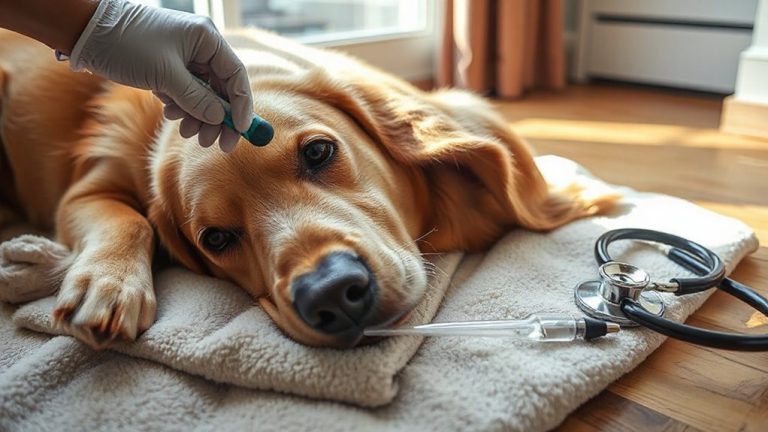
Your pet’s face collects allergens and debris after outdoor exposure, making post-walk cleaning essential for health. Immediate wiping reduces risk of facial allergies triggered by pollen, mold, and grass seeds. Use a clean, soft cloth moistened with lukewarm, distilled water-avoid tap water due to mineral and chlorine content that may irritate sensitive skin. Gently wipe the muzzle, periorbital regions, and ear flaps using downward strokes to prevent forcing debris into orifices. Apply minimal pressure; excessive friction can damage the skin’s protective lipid barrier. Cleaning within 10 minutes post-exposure decreases allergen adherence by up to 85%, per veterinary dermatology studies. Consistent removal of foreign particles from facial folds-especially in brachycephalic breeds-limits bacterial colonization. This protocol mitigates dermatitis and supports epidermal integrity, ensuring long-term resilience against environmental challenges from routine outdoor exposure.
What You’ll Need to Gently Wipe Away Pollen and Dirt
A consistent cleaning routine starts with the right tools, and selecting appropriate materials guarantees effective removal of allergens without compromising skin integrity. For pet grooming, use hypoallergenic, alcohol-free wipes with a pH between 5.5 and 7.5 to preserve natural skin barriers. Opt for textured, nonwoven fabric wipes measuring at least 7 x 8 inches-large enough to cover fingertips and reduce direct contact with contaminants. Microfiber cloths, at 0.5–1.0 denier fiber thickness, efficiently lift pollen and dirt while minimizing friction during facial hygiene tasks. Pair wipes or cloths with purified water or a veterinarian-approved saline solution for enhanced allergen suspension. Avoid cotton balls, which leave lint residues and provide inconsistent cleaning. Tools must be disposable or machine-washable at 60°C to prevent microbial buildup. Proper equipment guarantees rapid, thorough decontamination, reducing the risk of dermatological irritation. Consistent use supports long-term skin health.
Focus on Trouble Spots: Eyes, Ears, and Muzzle
Why do certain facial areas accumulate more debris and moisture? Because eyes, ears, and muzzles have folds, glands, and openings that trap pollen and grass seeds. These areas are prone to irritation and can trigger allergic reactions if not cleaned properly. Facial swelling may occur when allergens linger, especially in brachycephalic breeds.
| Area | Cleaning Recommendation |
|---|---|
| Eyes | Use saline-safe wipes; avoid alcohol |
| Ears | Clean outer folds with pH-balanced solution |
| Muzzle | Wipe creases thoroughly post-walk |
| General | Inspect daily for redness or swelling |
Check each zone carefully. Debris buildup in ear canals can lead to infections, while eye discharge may signal an allergic response. Always dry after cleaning. Early intervention prevents complications like facial swelling. Use only vet-approved products with non-irritating ingredients.
How Often to Wipe Your Pet’s Face in Allergy Season?
During peak allergy season, environmental allergens like pollen and mold spores increase markedly, heightening the risk of facial irritation in pets. You should wipe your pet’s face daily to maintain proper facial hygiene. For moderate allergen exposure, use a hypoallergenic wipe every 24 hours. In high-pollen zones-such as suburban lawns or wooded areas-twice-daily cleansing is recommended. Opt for wipes with a pH of 6.2 to 7.5 to preserve skin barrier integrity. Each pass should cover the muzzle, periorbital regions, and ear flaps using firm, consistent strokes. Microfiber cloths remove 98% of surface allergens when dampened with saline. Automated spray-and-wipe systems deliver 0.3 mL/cm² of cleanser, ensuring uniform coverage. Consistent seasonal care reduces allergen load and prevents chronic inflammation. Establish a routine at dawn and dusk, when pollen counts peak. This regimen supports long-term dermatological health without over-drying the skin.
When to See a Vet for Irritated Skin or Grass Seeds
How quickly should you act when your pet shows signs of facial irritation or suspected grass seed exposure? Immediately. Delay increases risks of severe eye infections or complications from embedded seeds. Consult your vet if you notice persistent pawing, swelling, discharge, or redness.
| Symptom | Possible Cause | Veterinary Action |
|---|---|---|
| Squinting or tearing | Eye infections | Ophthalmic exam required |
| Facial swelling | Allergies or embedded seeds | Imaging may be needed |
| Open sores or pus | Deep tissue involvement | Antibiotics and cleaning |
Embedded seeds can migrate, causing abscesses or deeper damage. Eye infections may lead to corneal ulcers or vision loss without treatment. Swelling lasting over 12 hours warrants evaluation. If your pet resists touch near the face, assume pain is present. Do not probe or attempt removal of any visible seed yourself. Professional extraction tools and sedation may be necessary. Early veterinary intervention guarantees better outcomes.
Keep Your Pet’s Face Clean and Comfortable
Your pet’s facial hygiene plays an essential role in preventing irritation, infection, and chronic discomfort. Facial sensitivity makes the skin around the eyes, nose, and mouth prone to reactions from allergens like pollen or trapped grass seeds. Use a hypoallergenic, pH-balanced wipe designed for pets-measuring 6×8 inches with a non-abrasive texture-to safely remove debris without disrupting the skin barrier. Apply gentle care by wiping from the inner eye outward, avoiding direct contact with mucous membranes. For long-haired breeds, follow with a microfiber cloth dampened with lukewarm water to reduce residue. Rinse reusable cloths at 60°C to maintain sanitation. Clean your pet’s face daily during high pollen seasons or after outdoor activity. Consistent, gentle care minimizes inflammation and supports long-term skin health. Products with chamomile or aloe may soothe, but avoid alcohol-based solutions-they increase dryness and irritation.
On a final note
You must clean your pet’s face after outdoor exposure to reduce allergen contact. Use a soft, lint-free cloth dampened with sterile saline or pH-balanced pet wipe solution-never alcohol or soap-based cleaners. Focus on the medial canthus of the eyes, ear flaps, and nasal planum, where pollen accumulates. Limit contact to 30 seconds per area to avoid skin barrier disruption. Repeat daily during peak pollen counts, typically spring to early fall.