How to Include Burn Treatment Supplies for Pets in Your Emergency Kit
Include burn treatment supplies tailored to pets by adding sterile 0.9% saline solution for irrigation and non-adherent Teflon-coated pads to prevent sticking. Use only veterinarian-approved ointments without lidocaine or benzocaine; apply in thin layers every 6–8 hours. Pack nitrile gloves, conforming bandages (2″ or 4″), and a thermal blanket. Store items in a waterproof, labeled container at 15–25°C. Check expiration dates quarterly-replace saline after 24 months, gel pads after 18. Preparedness guarantees rapid, safe response. More details follow.
Notable Insights
- Include sterile saline and non-adherent pads to safely clean and cover burns without damaging tissue.
- Pack a burn gel or pet-safe ointment like aloe vera to soothe burns and reduce contamination risk.
- Add Teflon-coated dressings and conforming bandages to secure wounds without sticking to burn sites.
- Store the kit in a waterproof, labeled container kept in a cool, dry place for easy access and supply protection.
- Check expiration dates every three months and replace saline, dressings, and ointments as needed to maintain readiness.
Identify Common Pet Burn Types
Burns in pets fall into three primary categories: thermal, chemical, and electrical. Thermal burns result from heat sources like flames, hot liquids, or heated surfaces. You’ll typically see redness, blistering, or charred tissue, depending on severity. Chemical burns occur when your pet contacts acidic or alkaline substances such as bleach, detergents, or battery fluid. These burns often cause skin erosion, ulceration, or necrosis and require immediate decontamination. You must flush the area with copious amounts of water for at least 15 minutes. Electrical burns are less visible but dangerous, usually caused by chewing on live wires. They often damage underlying tissues, including muscles and cardiac structures, and can lead to arrhythmias. Entry and exit wounds may appear small but indicate deep-tissue trauma. Always assume electrical burns involve internal injury. Recognizing these types-thermal, chemical burns, and electrical burns-helps you respond quickly and appropriately.
Recognize Why Burn Supplies Are Essential
Having identified the types of burns your pet might suffer-thermal, chemical, or electrical-you now need to understand why keeping a dedicated supply kit is a smart and practical step. Immediate access to burn treatment supplies reduces healing time and minimizes complications. Quick intervention lowers the risk of infection, which is critical because pets’ fur and skin retain heat and contaminants. Burn prevention begins with preparedness; having supplies on hand guarantees you won’t panic or delay care. This stability reduces pet anxiety, which can worsen stress-induced symptoms and delay recovery. A well-stocked kit supports rapid cooling, contamination control, and pain management. Each second saved in treatment improves tissue prognosis markedly. Supplies like sterile saline, non-adherent pads, and thermal blankets are clinically proven to stabilize burn sites. These components meet veterinary first-response standards, offering measurable improvements in outcomes. Preparedness isn’t reactive-it’s a proactive element of responsible pet care, grounded in medical necessity and practical urgency.
Choose Safe Burn Ointments for Pets
While treating a burn, selecting the right ointment matters just as much as the timing. Use only pet-safe, veterinarian-approved soothing gels designed for animal skin pH. Many human burn creams contain lidocaine or benzocaine, which are toxic to pets. Opt for products with aloe vera and vitamin E-these natural remedies provide cooling relief without irritating sensitive tissue. Silver sulfadiazine cream is effective but requires a prescription and careful monitoring for allergic reactions. Over-the-counter options should be fragrance-free and paraben-free to reduce complications. Apply a thin layer-approximately 1/16 inch-to avoid trapping heat. Reapplication should occur every 6 to 8 hours, depending on product instructions. Soothing gels with hyaluronic acid help retain moisture and support dermal repair. Always follow label guidelines for dosage and species-specific use. Improper ointments can delay healing or worsen tissue damage.
Use Sterile Supplies to Clean and Cover Burns
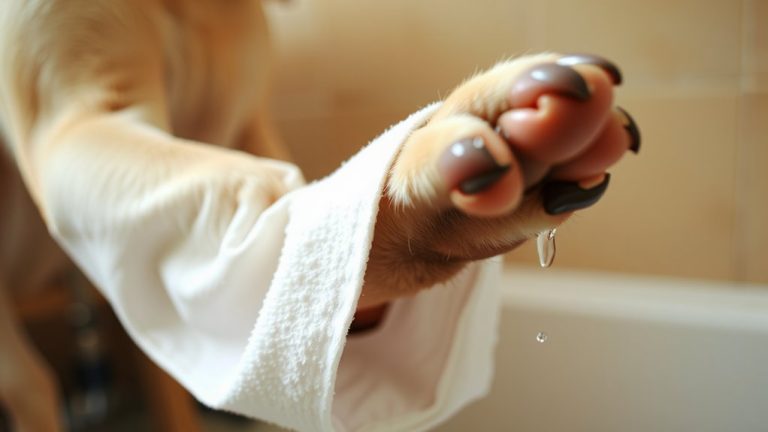
If you’re treating a burn on your pet, using sterile supplies is essential to prevent infection and support proper healing. Sterile gauze pads (4″ x 4″) and non-adherent dressings minimize contamination during wound irrigation. Saline solution (0.9% NaCl) is ideal for flushing debris without irritating tissue. Clean gloves (nitrile or latex-free) reduce pathogen transfer, critical for infection prevention. A sterile burn bandage with low-adhesion backing holds dressings securely while allowing airflow.
| Supply | Purpose | Key Feature |
|---|---|---|
| Sterile gauze | Wound coverage | 4″ x 4″, non-woven |
| Saline flush | Wound irrigation | 500 mL, preservative-free |
| Non-adherent pad | Prevents sticking | Telfon-coated, sterile |
| Nitrile gloves | Infection prevention | Powder-free, medical grade |
| Conforming bandage | Secure dressing | 2″ or 4″, stretchable, hypoallergenic |
Add Comfort and Safety Items for Injured Pets
Every injured pet deserves a safe, controlled environment during recovery, and adding comfort and safety items will reduce stress while preventing further injury. Include soft, machine-washable pet blankets made from non-irritating, hypoallergenic fleece to maintain body temperature without sticking to wounds. Choose blankets sized appropriately-medium (30″ x 40″) for cats and small dogs, large (40″ x 60″) for larger breeds. Incorporate calming aids such as pheromone diffusers or sprays; products like Feliway for cats or Adaptil for dogs release species-specific chemical signals shown in clinical studies to lower heart rate and reduce anxiety. Alternatively, use noise-dampening travel carriers with padded interiors to minimize sensory input. Avoid loose fabrics that could snag on bandages. For added comfort during extended recovery, consider using a dog bed filled with shredded memory foam, which offers supportive cushioning and is easily replaceable-ideal for maintaining hygiene. These items help stabilize your pet’s condition passively, supporting medical treatment by limiting movement and stress-related complications during transport or home recovery. shredded memory foam
Keep Your Kit Organized and Easy to Find
A well-organized burn treatment kit saves critical time during emergencies. Use durable storage solutions like waterproof, crush-resistant containers with labeled compartments. Clear organization guarantees rapid identification of supplies, reducing handling stress for injured pets. Apply accessibility tips by placing the kit in a central, known location-near your pet’s carrier or first aid station. Mounting brackets or bright-color tabs improve visual detection. Below are key components and ideal storage metrics:
| Item | Quantity | Storage Condition |
|---|---|---|
| Non-adherent pads | 10 | Sealed, moisture-proof |
| Veterinary wrap | 2 rolls | Cool, UV-protected area |
| Burn ointment (pet-safe) | 1 tube | 15–25°C, away from light |
| Scissors (blunt tip) | 1 pair | Secured in side pocket |
| Nitrile gloves | 5 pairs | Individually wrapped |
Rotate layout quarterly for familiarity. Use zip-close bags within the case for subgrouping.
Replace Expired Items Before You Need Them
Most burn treatment supplies lose effectiveness over time, so replacing expired items before an emergency is essential. You should conduct inventory checks every three months to verify expiration dates on ointments, sterile dressings, and antiseptic solutions. Exposure to heat, moisture, or direct sunlight degrades compounds like silver sulfadiazine, reducing antimicrobial efficacy by up to 40%. Store supplies in a sealed, opaque container at controlled storage conditions: 15–25°C (59–77°F) and under 60% humidity. Check packaging integrity-cracked tubes or warped seals compromise sterility. Replace saline flush bottles after 24 months, even if unopened. Burn gel pads lose moisture retention capacity after 18 months. Use a permanent marker to date all items upon purchase. Automated reminders on digital calendars can support timely replacements. Maintaining accurate inventory logs guarantees every component performs as intended when seconds count. Safety depends on proactive maintenance, not last-minute substitutions.
On a final note
You must include pet-specific burn supplies in your emergency kit. Standard human ointments may contain toxins like phenol. Use sterile, non-adherent pads (at least 4″ x 4″) and veterinary-approved silver sulfadiazine cream. Store items in a waterproof, labeled container. Replace expired products annually. A well-organized kit guarantees rapid, safe response. Every second counts-preparedness improves outcomes, much like fire extinguishers prevent structural collapse.