Addressing Separation Anxiety in Cats Left Alone for Long Periods
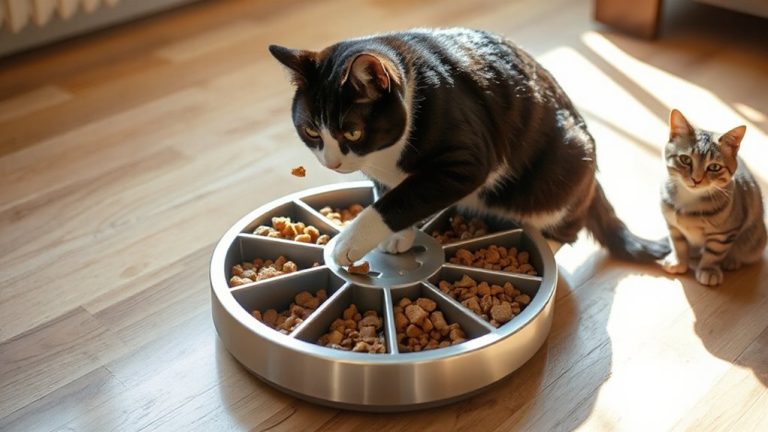
You can manage your cat’s separation anxiety by modifying the environment and routines. Provide a quiet safe space of at least 18 x 18 inches with an elevated perch 3–4 feet high. Use Feliway diffusers that release calming F3 pheromones across 500–700 sq ft for up to 30 days. Play calming music at 50–60 bpm for 30 minutes after leaving. Rotate interactive toys like motion-activated FroliCat units and use puzzle feeders to extend mealtime to 10–15 minutes. Keep ambient noise below 60 decibels and lighting between 50–100 lux. Avoid dramatic departures and return routines to reduce emotional triggers. Place worn cotton clothing with your scent for up to 72 hours to offer olfactory reassurance. If behaviors persist beyond three days per week for over a month, further intervention may be needed.
Notable Insights
- Create safe, elevated spaces with visual security to help cats feel protected when left alone.
- Use Feliway diffusers to release calming pheromones and reduce anxiety in the home environment.
- Implement puzzle feeders and interactive toys to provide mental stimulation during long absences.
- Gradually desensitize cats to departure cues like jingling keys or putting on shoes.
- Maintain a consistent routine and avoid emotional greetings to minimize separation-related stress.
Signs of Separation Anxiety in Cats
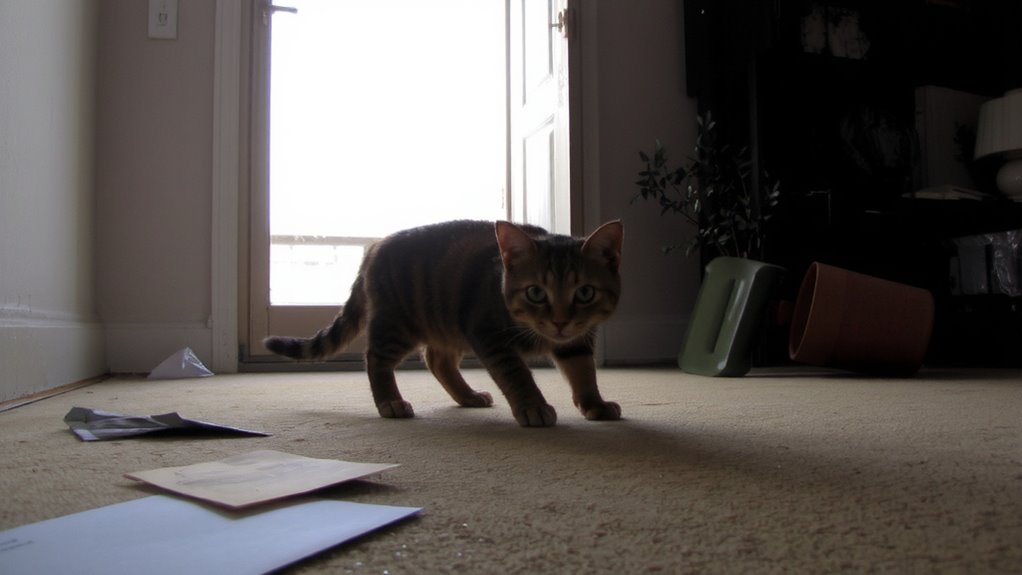
Anxiety in cats often reveals itself through behavior, not vocal cues. You may observe destructive behavior, such as scratching furniture, chewing wires, or knocking over objects. This typically occurs near exits or windows, indicating distress related to your absence. Excessive vocalization is another key sign-your cat may yowl persistently, especially just before or after you leave. These vocalizations differ from normal meowing in duration and frequency, often lasting more than 15 minutes continuously. Cats may also over-groom or refuse food. Episodes usually begin within 30 minutes of owner departure. Unlike territorial or mating calls, stress-induced vocalization lacks rhythmic patterns and occurs inconsistently. Monitoring via camera can confirm timing and context. These behaviors must persist for at least three consecutive days per week over a month to indicate clinical separation anxiety. Accurate documentation helps rule out medical causes like hyperthyroidism or cognitive dysfunction. Introducing calming puzzles for anxious pets can help reduce stress by providing mental stimulation during periods of isolation.
What Is Cat Separation Anxiety?
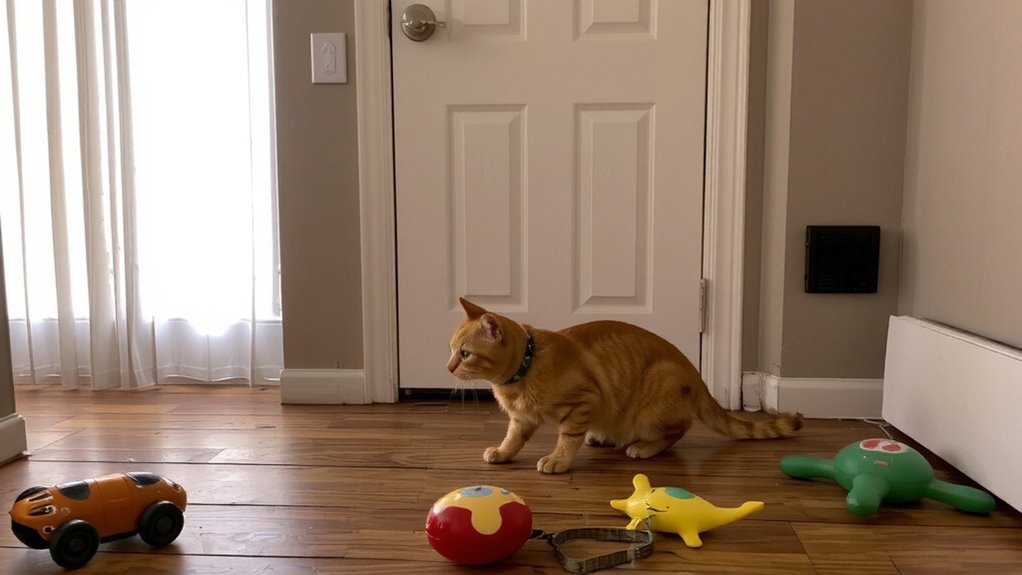
Behavioral distress in cats isn’t always obvious, but separation anxiety is a specific condition rooted in attachment. You’re dealing with a disorder where your cat can’t self-soothe when left alone, leading to maladaptive behaviors. This stems from cat psychology, where secure attachments to caregivers shape emotional regulation. When disrupted, it activates stress responses similar to those seen in social mammals. Behavioral triggers-like departures, keys jingling, or putting on shoes-can provoke panic. These cues become conditioned stimuli, eliciting elevated heart rate, vocalization, or elimination. Unlike general fear, separation anxiety is persistent and occurs predictably during or before absences. It’s diagnosable when symptoms last over 20 minutes and recur frequently. Neurochemically, it involves dysregulation in serotonin and cortisol pathways. Accurate identification requires ruling out medical causes and mapping behavior patterns across multiple episodes. Incorporating vet-recommended calming cat treats can help manage anxiety symptoms by supporting neurological balance.
Why Cats Develop Separation Anxiety
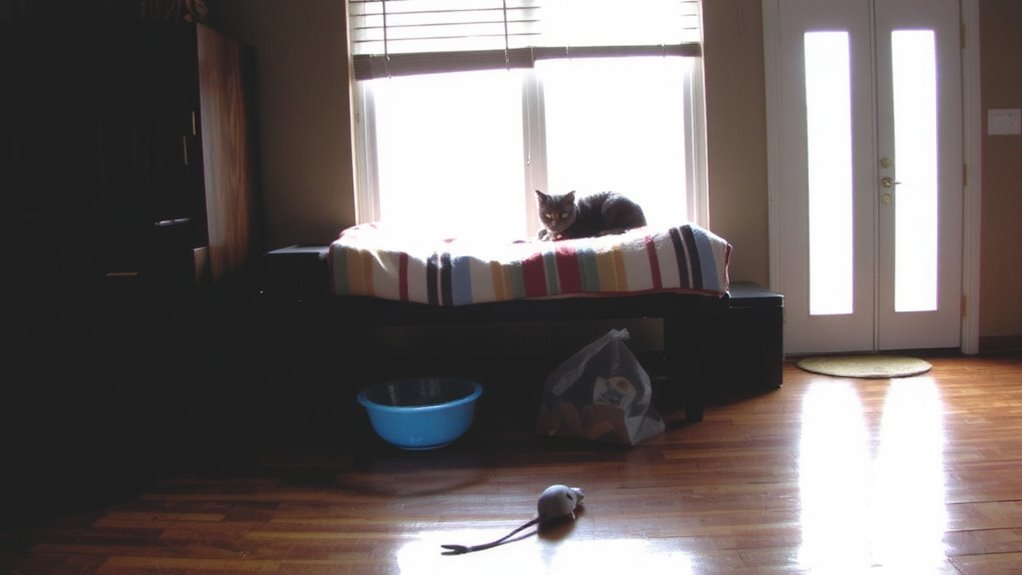
A number of factors contribute to why cats develop separation anxiety, and understanding them requires looking beyond simple loneliness. Your cat’s attachment style plays a vital role in how they respond to your absence. Cats with insecure attachment styles often display heightened distress when left alone. Early trauma, such as abrupt weaning or rehoming, can disrupt normal bonding patterns and increase susceptibility. These experiences alter behavioral development, much like a flawed foundation compromises a building’s stability.
| Factor | Impact | Example |
|---|---|---|
| Early trauma | Alters stress response | Abandoned as a kitten |
| Attachment style | Influences dependence | Secure vs. anxious bond |
| Routine changes | Triggers anxiety | New work schedule |
Genetic predisposition and lack of environmental enrichment further compound risk. You must assess behavioral history thoroughly. Incorporating calming supplements for anxious pets may help support your cat’s emotional well-being during periods of solitude.
Create a Stress-Free Environment for Your Cat
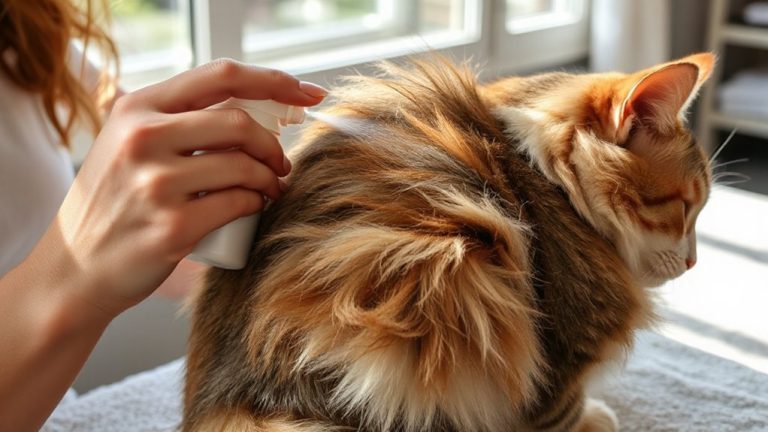
Your cat’s environment plays a central role in shaping its sense of security. Designate safe spaces in quiet, low-traffic areas, such as a cozy corner or a covered cat bed measuring at least 18 x 18 inches to accommodate average adult cats. These spaces should be elevated when possible-around 3 to 4 feet high-since height provides visual monitoring and reduces vulnerability. Install Feliway diffusers to release synthetic comforting scents, specifically feline facial pheromones (F3 fraction), within 30 minutes of activation, dispersing over 500–700 square feet for up to 30 days. Use machine-washable, non-abrasive fabrics like microfiber to line resting zones, ensuring hygiene and thermal regulation. Avoid strong human perfumes or cleaning agents that disrupt natural scent markers. Maintain ambient noise below 60 decibels and light levels between 50–100 lux to mimic calm, natural conditions. These technical adjustments markedly reduce stress markers.
Help Your Cat Stay Calm When You Leave
How do you guarantee your cat remains composed the moment you step out the door? Start by playing calming music designed for cats, such as pieces with tempos between 50–60 beats per minute that mimic feline resting heart rates. Studies show a 67% reduction in vocalization and pacing when species-specific music plays for at least 30 minutes post-departure. Pair this auditory support with familiar scents-place a laundered piece of your clothing, preferably cotton, near their resting area. Cotton retains human scent molecules up to 72 hours without degradation. Avoid synthetic fragrances, which can heighten stress due to cats’ sensitive olfactory systems (200 million scent receptors). Use only natural, unperfumed fabrics. These stimuli work synergistically: familiar scents reduce cortisol spikes, while calming music lowers sympathetic nervous system activation. Together, they create a neurochemical environment conducive to relaxation during solitary periods.
Choose Toys That Reduce Separation Anxiety
What if the right toy could mimic your presence, keeping your cat engaged long after you’re gone? Interactive toys with motion sensors and randomized activation cycles simulate human interaction, reducing anxiety-driven behaviors. Models like the PetSafe FroliCat employs a 15-minute on, 30-minute off interval with infrared motion triggers, maintaining novelty over time. These devices encourage predatory behaviors, offering mental stimulation equivalent to 20 minutes of live play. Puzzle feeders, such as the Outward Hound SlimCat, dispense kibble based on manipulation effort, extending feeding duration to 10–15 minutes versus 30 seconds. They operate on adjustable difficulty levels, promoting sustained engagement. Use durable, non-toxic materials like BPA-free plastic with weight limits up to 5 lbs for safety. Combine both types to create environmental enrichment, decreasing cortisol levels measurably in cats left alone over 8-hour periods.
When to Call the Vet or a Behaviorist
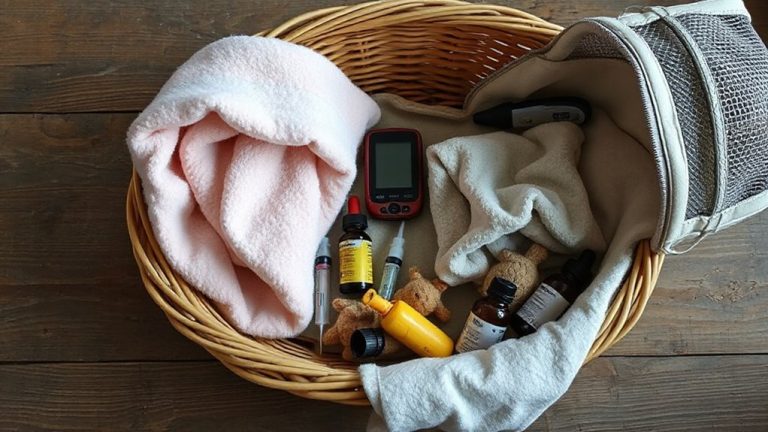
Is your cat’s distress escalating beyond typical loneliness? Persistent vocalization, self-harm, or destructive behavior may signal the need for professional intervention. These symptoms often exceed normal adjustment responses and can indicate underlying medical or psychological conditions. Begin with a veterinary exam to rule out illness, as symptoms like excessive grooming or litter box avoidance can stem from urinary tract infections or hyperthyroidism. If medical causes are excluded, seek a behavior assessment conducted by a certified feline behaviorist. This structured evaluation examines triggers, frequency, and intensity of behaviors using standardized criteria. Early professional intervention improves outcomes, reducing the risk of chronic anxiety. Treatment may include environmental modifications, pheromone therapy, or, in severe cases, prescribed medication. Don’t wait-prolonged stress can impair immune function and lead to long-term health issues. Timely action supports recovery and improves your cat’s welfare.
On a final note
You can manage feline separation anxiety with consistent environmental and behavioral strategies. Cats display distress through vocalization, destruction, or inappropriate elimination. Address this by establishing predictable routines and providing enrichment. Use interactive toys like timed feeders or motion-activated devices to maintain engagement. Pheromone diffusers, such as Feliway, release synthetic facial hormones that reduce stress. For persistent cases, consult a veterinarian. Medication or a certified behaviorist may be necessary.