Managing Medication Interference With Healing After Minor Grooming Abrasions
You’re at higher risk for delayed healing if you take blood thinners like warfarin, which impair platelet aggregation, or corticosteroids, which suppress collagen synthesis and immune response. These medications disrupt clot formation and slow tissue repair. Clean minor grooming cuts with sterile saline at 5–10 psi irrigation pressure. Apply 2% chlorhexidine and use non-adherent dressings. Healing often takes beyond 7 days with such drugs. Persistent redness or pus signals complications-further details reveal key prevention strategies.
Notable Insights
- Blood thinners like warfarin delay clotting, increasing bleeding time and impairing early wound stabilization after grooming cuts.
- Corticosteroids suppress inflammation and collagen production, slowing tissue repair and weakening wound strength during healing.
- Apply direct pressure for 5 minutes and use antiseptic to reduce infection risk when healing is impaired by medications.
- Use non-adherent dressings to protect fragile scabs and avoid disrupting the delayed healing process in medicated individuals.
- Seek medical help if signs of infection appear, as immune suppressants can mask symptoms and increase complication risks.
Which Medications Slow Healing After Grooming Cuts?
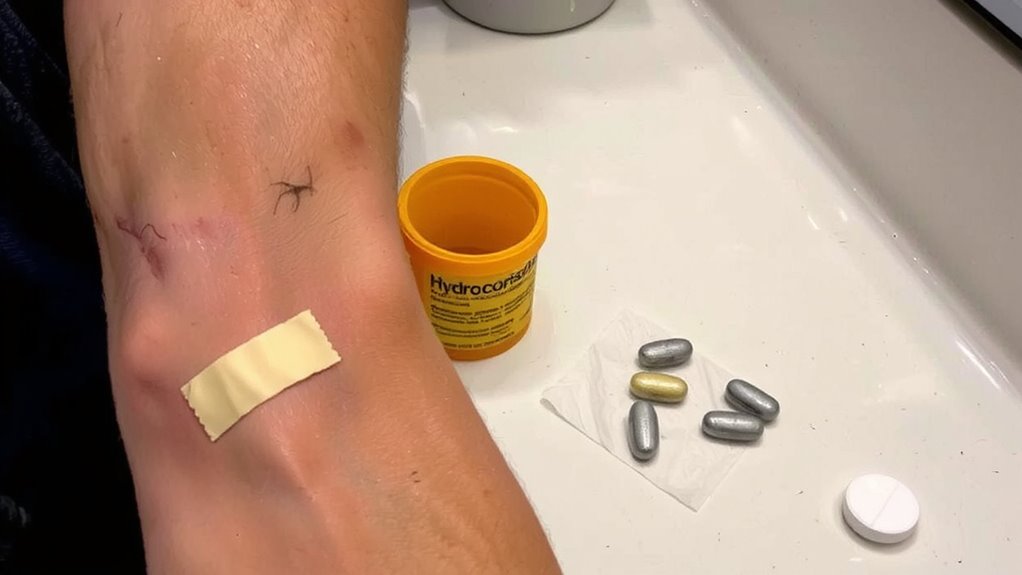
Why do some grooming cuts take longer to heal? You may be taking medications that interfere with normal recovery. Blood thinners, such as warfarin or aspirin, reduce clotting efficiency. This increases bleeding time and delays the formation of a stable scab, a critical first step in wound repair. Even minor surface cuts can become prolonged healing events. Immune suppressants, including corticosteroids or drugs for autoimmune conditions, reduce inflammatory responses. Since inflammation is necessary for initiating tissue repair, suppressing it slows cellular migration and collagen deposition. Your skin’s ability to regenerate is directly impaired. These drugs alter platelet function and leukocyte activity, disrupting the healing cascade. Healing time can extend from days to weeks. You should monitor cuts closely. Though the medications are often essential, their impact on recovery is measurable and predictable. Adjusting care routines helps mitigate risks.
5 Common Drugs That Impair Skin Recovery
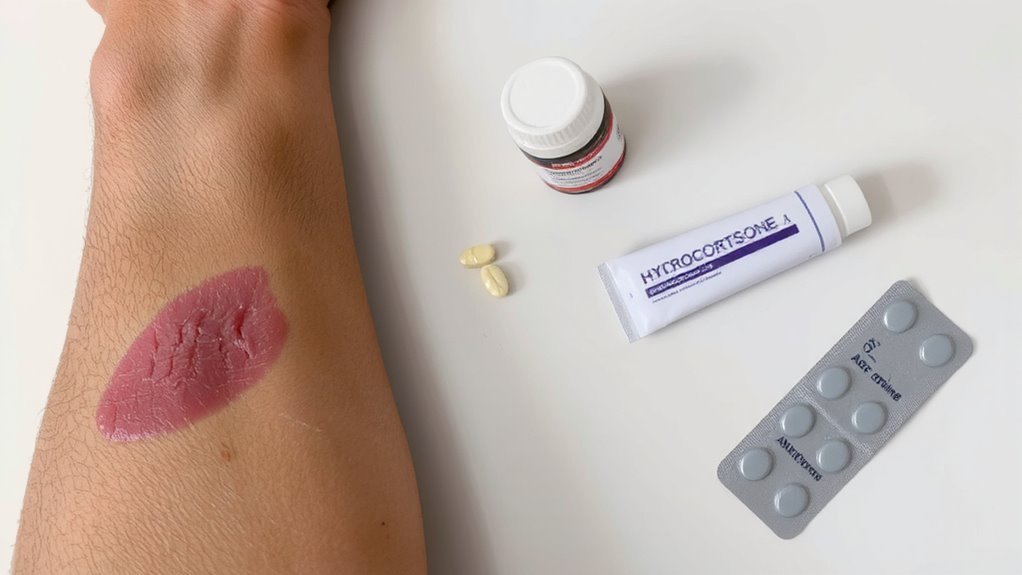
While you might expect a small cut to heal within a few days, certain medications can markedly delay skin recovery. Blood thinners, like warfarin or aspirin, reduce clotting efficiency, increasing bleeding time and inflammation duration at wound sites. These drugs interfere with platelet aggregation, prolonging the initial healing phase. Corticosteroids suppress immune response and collagen synthesis, weakening tissue repair. Topical or oral antibiotics may be used to prevent infection, but overuse contributes to antibiotic resistance, reducing treatment efficacy when truly needed. Immunosuppressants, such as methotrexate or cyclosporine, impair cell proliferation required for re-epithelialization. Even some acne medications like isotretinoin reduce sebum production and epidermal turnover rates, slowing regeneration. Each drug class alters a specific phase of wound healing, from inflammation to remodeling. Understanding these effects helps anticipate delays. Always consult your provider when managing medications during recovery.
Is Your Grooming Cut Healing Normally?
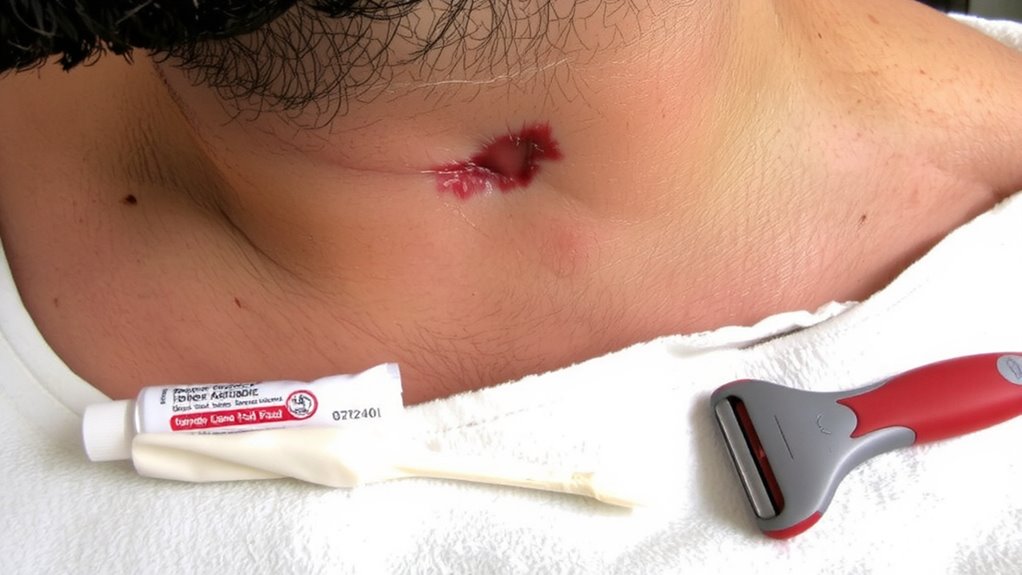
A small nick from shaving or grooming might seem trivial, but its healing process can reveal important clues about your skin’s recovery capacity. Monitoring the typical healing timeline helps identify complications early. Most minor abrasions close within 3–7 days, with initial clotting followed by epithelialization. Deviations may indicate underlying issues, especially if you’re on medication.
| Stage | Description |
|---|---|
| Day 1–2 | Slight redness, minor swelling-normal inflammatory response |
| Day 3–4 | Scab formation; tissue reconstruction begins |
| Day 5–6 | Scab shrinks; new skin visible underneath |
| Day 7+ | Complete re-epithelialization in healthy cases |
Persistent pain, pus, or spreading redness suggest signs of infection. These warrant evaluation, particularly if healing delays exceed the typical healing timeline. Accurate observation guarantees timely intervention.
First Aid for Grooming Cuts on Medication
How should you treat a grooming cut if you’re on medication that affects clotting or healing? Apply direct pressure for at least 5 minutes to control bleeding, even if it seems minor. Immediately follow with wound irrigation using sterile saline or clean running water at low pressure (5–10 psi) to remove debris and reduce bacterial load. Avoid high-pressure irrigation, which can damage tissue. Once clean, apply a topical antiseptic like 2% chlorhexidine or povidone-iodine, which are broad-spectrum and effective within 30 seconds. Avoid alcohol-based solutions-they delay healing. Use a non-adherent dressing to prevent disruption during changes. These steps minimize infection risk and support initial healing. Since your medication may impair clotting or cell regeneration, optimize the environment your body can control. Consistent, correct first aid compensates for reduced physiological response.
When Should You Call a Doctor About a Grooming Cut?
When does a grooming cut cross the line from routine to requiring medical attention? You should call a doctor if you notice infection signs like pus, warmth, or swelling. Persistent redness spreading beyond the wound edge within 48 hours is a red flag. Fever or increasing pain also demands evaluation.
| Symptom | Normal Healing | Concern Level |
|---|---|---|
| Redness | Fades in 2–3 days | High if persistent beyond 72 hrs |
| Swelling | Mild, short-lived | High if worsening after day 2 |
| Discharge | Clear, minimal | High if yellow, green, or foul-smelling |
| Pain | Decreases daily | High if intensifying after 48 hrs |
Delay in care can lead to cellulitis or systemic spread. Medications affecting clotting or immunity may mask symptoms, making timely assessment critical. Don’t wait-seek help when healing deviates from expected timelines.
How to Avoid Cuts When on Healing-Affecting Meds
Why take chances when a simple nick could lead to complications? If you’re on medications that impair healing, like anticoagulants or corticosteroids, even minor cuts from grooming can become serious. Switch to safer hair removal alternatives. Laser hair removal reduces hair growth long-term, decreasing the need for frequent shaving and cutting. It works by targeting melanin with precise wavelengths-common devices use 755 nm (alexandrite) or 1064 nm (Nd:YAG) lasers-for effective follicle disruption. For trimming, prioritize electric trimmer safety. Choose models with blunt-tip blades and precision-guided guards; many have rounded blade edges that reduce skin puncture risk by up to 90% compared to manual razors. Use them on low resistance settings and avoid pressing hard. Maintaining the device-cleaning blades weekly and replacing them every 6–12 months-ensures ideal performance and minimizes accidental cuts.
On a final note
You manage healing by understanding medication effects. Blood thinners like warfarin increase bleeding time by inhibiting clotting factors. NSAIDs reduce inflammation but impair fibroblast activity, delaying tissue repair. Topical corticosteroids weaken collagen synthesis, thinning the dermis. Monitor cuts daily for swelling, redness, or pus-signs of infection. Clean with saline, apply antibiotic ointment, and use sterile bandaging. Seek medical advice if healing extends beyond 10 days.