How to Identify and Eliminate Common Food Allergens in Your Dog’s Diet
You may notice your dog has persistent itching, ear infections, or gastrointestinal issues like diarrhea and gas. These signs often point to food allergies triggered by common proteins like beef, dairy, or grains such as wheat. To confirm, switch to a strict elimination diet using novel ingredients like venison and potato, or a hydrolyzed protein diet with peptides under 10,000 daltons. Exclude all treats and flavored medications for 8–12 weeks. Keep a daily journal to track symptoms. Reintroduce one ingredient at a time, monitoring for flare-ups. This systematic approach isolates allergens with precision. Long-term success depends on consistent use of safe, single-source proteins and grain-free carbohydrates that meet AAFCO standards. Further details reveal how to maintain results over time.
Notable Insights
- Persistent skin irritation, ear infections, or digestive issues lasting over three weeks may indicate a food allergy in dogs.
- Common food allergens include beef, poultry, dairy, wheat, soy, and eggs; eliminate these one at a time to identify triggers.
- Start an 8–12 week elimination diet using novel proteins and carbohydrates your dog has never eaten before.
- Avoid all treats, table scraps, and flavored medications during the elimination phase to ensure accurate results.
- Reintroduce foods gradually after elimination, monitoring for symptom recurrence to pinpoint the specific allergen.
Spot the Signs of a Dog Food Allergy
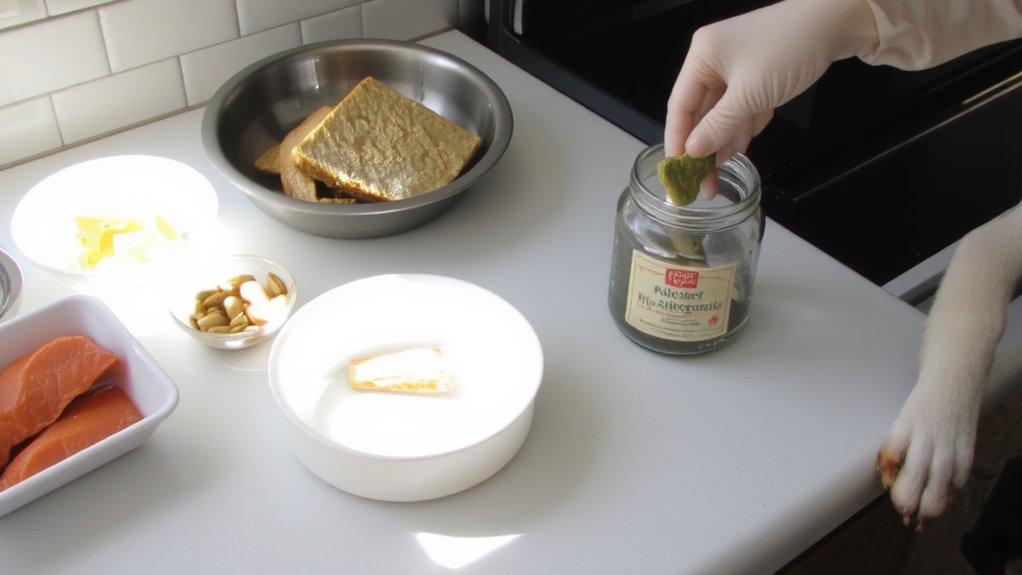
How can you tell if your dog has a food allergy? Look for persistent skin irritation and digestive upset. Skin irritation often appears as redness, itching, or rashes, particularly around the ears, paws, and abdomen. Chronic licking or chewing at the skin may follow, sometimes leading to secondary infections. Dermatological symptoms can mimic environmental allergies, but food-related cases typically resist seasonal patterns. Digestive upset includes recurring diarrhea, vomiting, or excessive gas, occurring within hours of eating. These signs persist despite a consistent diet. Unlike intolerances, food allergies involve the immune system, causing exaggerated responses to specific proteins. Symptoms must last more than three weeks to qualify as allergic. Blood and skin tests exist, but are unreliable. Elimination diets remain the diagnostic gold standard. They require feeding a novel protein or hydrolyzed diet for 8–12 weeks. No treats or flavored medications are permitted.
Identify the Most Common Food Allergens for Dogs

The most frequent food allergens in dogs stem from specific animal and plant proteins, with poultry, beef, dairy, wheat, soy, and eggs topping the list. You’ll need to recognize that not all reactions are true allergies-some stem from protein intolerance or grain sensitivity. These conditions trigger immune or digestive responses that mimic one another but require different management strategies. Below is a comparison of allergen types, common sources, and typical symptoms:
| Allergen Type | Common Sources | Typical Symptoms |
|---|---|---|
| Protein intolerance | Beef, poultry, eggs | Itching, ear infections |
| Grain sensitivity | Wheat, corn, soy | Gas, diarrhea, skin rashes |
| Dairy allergy | Milk, cheese, yogurt | Vomiting, loose stools |
Accurate identification requires careful scrutiny of ingredient lists and clinical signs. You can’t assume commercial labels reflect safety-always verify protein sources and cross-contamination risks.
Start an Elimination Diet the Right Way

You’ve already identified the common food allergens that could be affecting your dog, including proteins like beef and poultry and ingredients such as wheat and dairy. Now, start an elimination diet under strict veterinary guidance. This diet requires feeding a novel protein and carbohydrate source your dog has never consumed-such as venison and potato or duck and pea. Avoid all treats, table scraps, and flavored medications. The elimination phase lasts 8 to 12 weeks; during this time, compliance is critical. Maintain a detailed food journal, recording meals, reactions, and behavioral changes daily. Accurate logs help isolate triggers during reintroduction. Blood or skin tests don’t reliably diagnose food allergies-only an elimination diet does. Your vet may recommend a hydrolyzed protein diet, where peptides are too small to provoke an immune response. Follow professional oversight to guarantee nutritional adequacy and diagnostic validity.
Choose Safe, Hypoallergenic Dog Food Ingredients
When selecting hypoallergenic dog food, start by choosing ingredients with a low allergenic potential and high digestibility. Grain alternatives like tapioca, potato, and chickpea flour reduce exposure to common allergens found in wheat and soy. These carbohydrates provide energy without triggering immune responses. Novel protein sources such as venison, duck, or hydrolyzed poultry are less likely to cause sensitivities. Hydrolyzed proteins are broken into peptides smaller than 10,000 daltons, minimizing antigen recognition. Look for single-source proteins with at least 22% crude protein on a dry matter basis. Avoid by-products and fillers. Formulas should meet AAFCO nutrient profiles for complete nutrition. Many hypoallergenic diets use amino acid scoring to guarantee protein quality. Always verify ingredient lists for cross-contamination risks. Consistency in sourcing matters-batch testing confirms purity. Choosing the right combination of grain alternatives and protein sources is critical for long-term dietary success. For golden retrievers, specifically, identifying hypoallergenic dog food formulas tailored to their breed-specific sensitivities can greatly improve skin and coat health.
Find the Trigger by Reintroducing Foods
After stabilizing your dog’s diet with a hypoallergenic formula, the next step is identifying the specific allergen causing the reaction. You’ll begin food reintroduction by adding one novel protein source for 7–10 days. Start with a single ingredient like venison or duck, fed at 90% of the daily caloric intake. Monitor closely for gastrointestinal or dermatological signs. Reintroduction requires strict compliance-no treats or supplements. Trigger identification relies on observing symptom recurrence, such as increased ear infections or paw licking. If signs return, eliminate the suspect ingredient and wait 5–7 days for symptoms to subside. Then test the next ingredient. Each trial must be isolated and precisely timed. This systematic process isolates reactive proteins. Document all responses. Successful trigger identification allows accurate dietary adjustments. Never rush the process-patience guarantees reliable results.
Build a Long-Term Allergy-Safe Diet Plan
A successful elimination trial lays the foundation for a sustainable, allergy-safe diet. Now, you must guarantee long term nutrition with dietary consistency to prevent symptom recurrence. Choose a commercial or homemade diet with a novel protein and carbohydrate source confirmed safe during food trials. Below are key components of an effective long-term plan:
| Nutrient | Recommended Level |
|---|---|
| Protein | 18–25% (DM basis) |
| Fat | 10–15% (DM basis) |
| Fiber | 2–4% (DM basis) |
| Moisture | ≤10% (dry food) |
Formulate homemade diets with veterinary guidance to meet AAFCO nutrient profiles. Rotate ingredients only if proven safe and nutritionally equivalent. Monitor weight, coat condition, and stool quality monthly. Feed the same formulation daily-dietary consistency minimizes immune stimulation. Avoid treats or supplements with allergens. A stable, balanced diet supports lifelong health without triggering allergic responses. Consider incorporating a hydrolyzed dog food option if your dog has a history of severe food sensitivities.
On a final note
You now control your dog’s diet with precision. Start by confirming food allergies through veterinary diagnosis and IgE blood testing. Use a strict elimination diet for 8–12 weeks, feeding only hydrolyzed or novel protein sources like venison or duck with potato. Reintroduce ingredients one at a time in 2-week intervals. Monitor for pruritus, otitis, or gastrointestinal signs. Maintain a hypoallergenic diet with balanced nutrient profiles.