Step-By-Step Protocol for Managing Flea Allergy Dermatitis With Medicated Baths
You manage flea allergy dermatitis by bathing your pet every 3–4 days with a medicated shampoo containing 2% chlorhexidine, 1% colloidal oatmeal, and 1% miconazole. Wet the coat thoroughly with 98°F–102°F water, apply shampoo, and massage gently. Maintain 10 minutes of contact time before rinsing completely. This reduces allergens, soothes inflammation, and controls microbes. Combine baths with year-round flea preventives like fluralaner. Monitor for infection or lack of improvement-further steps may be needed if symptoms persist.
Notable Insights
- Use a medicated shampoo with chlorhexidine, colloidal oatmeal, or miconazole to soothe skin and reduce microbial load.
- Wet the coat thoroughly with lukewarm water (98°F–102°F) to open pores and enhance product efficacy.
- Massage shampoo gently into the skin, focusing on irritated areas, and maintain 10-minute contact time.
- Rinse completely to remove residue and prevent further irritation or allergic reactions.
- Bathe every 3–4 days during flare-ups, then weekly, while pairing with year-round flea prevention.
Understand Flea Allergy Dermatitis and Medicated Bath Benefits
Flea allergy dermatitis (FAD) is the most common allergic skin disease in dogs and cats, triggered by proteins in flea saliva. You’ll see intense itching even after a single flea bite. The pathophysiology details reveal that flea saliva contains over 15 allergenic proteins, which initiate a hypersensitivity reaction. Your pet’s immune response mechanisms involve IgE antibodies binding to mast cells, leading to histamine release and inflammation. This Type I hypersensitivity occurs within minutes and can persist for days. Medicated baths help by removing flea debris, allergens, and reducing microbial load. Chlorhexidine (2–4%) and benzoyl peroxide (2.5–10%) are effective formulations that penetrate hair follicles. These agents disrupt biofilms and have residual activity up to 72 hours. Regular bathing-every 3 to 7 days during flare-ups-reduces antigenic load. While not a standalone treatment, medicated baths support overall FAD management by modulating skin surface conditions.
Choose the Best Medicated Shampoo for Flea Allergy Relief
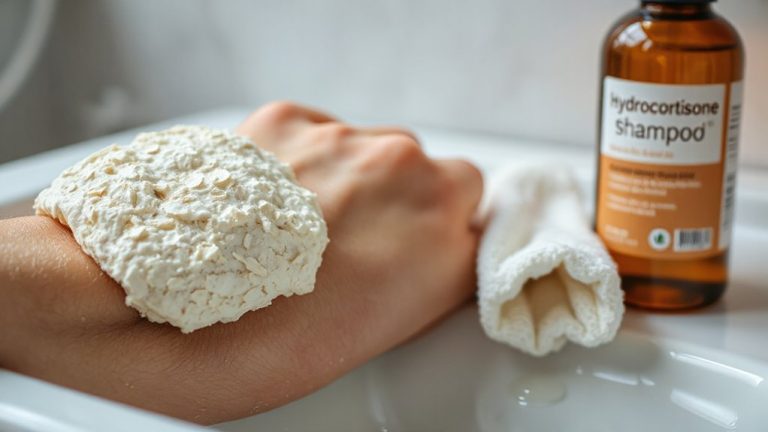
When selecting a medicated shampoo for flea allergy relief, prioritize formulations that target both allergens and secondary infections. Look for shampoo ingredients like chlorhexidine (2%), miconazole, and oatmeal, which reduce microbial load and soothe skin sensitivity. Avoid harsh surfactants that strip natural oils and worsen irritation. Here’s a quick guide:
| Active Ingredient | Purpose | Recommended Concentration |
|---|---|---|
| Chlorhexidine | Antimicrobial | 2% |
| Oatmeal | Soothes itching | 1% colloidal |
| Miconazole | Antifungal | 1% |
| Piroctone olamine | Antibacterial & anti-yeast | 0.75% |
Each ingredient combats specific aspects of flea allergy dermatitis. Chlorhexidine disrupts bacterial cell walls, while oatmeal forms a protective barrier on sensitive skin. Always check labels for proven efficacy and veterinary endorsement. You’ll get better results when shampoo ingredients align with your pet’s specific skin sensitivity and infection status.
Get Your Pet and Supplies Bath-Ready
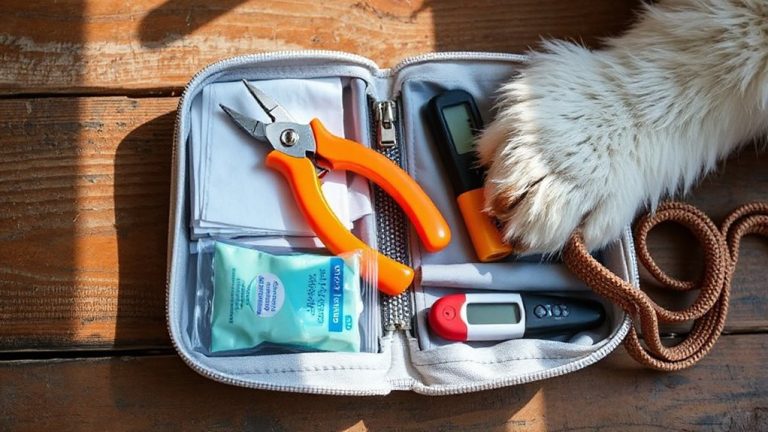
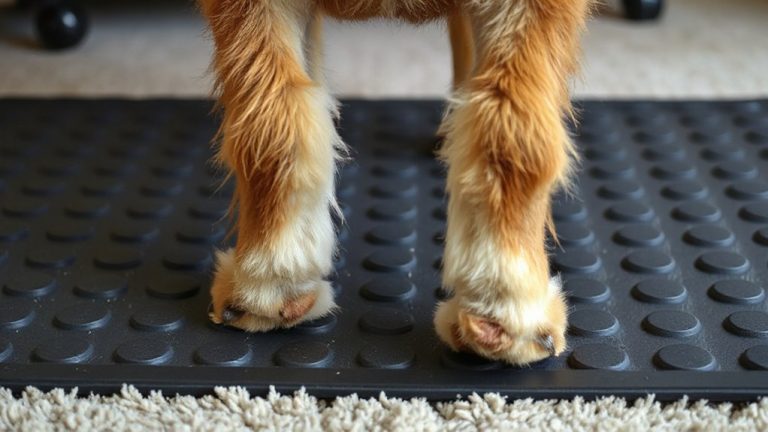
Before you begin the bath, make certain both your pet and supplies are properly prepared to maximize treatment effectiveness and minimize stress. Gather your medicated shampoo, non-slip mat, towels, and a washcloth-having everything within reach prevents interruptions. Make sure the bathing area is secure and free of drafts. Adjust the water temperature to between 98°F and 102°F; this range supports skin integrity and avoids thermal stress. Water that’s too hot can worsen inflammation, while cold water reduces shampoo efficacy. Test the water with a thermometer or the inside of your wrist. Introduce your pet gradually, using calm handling to reduce anxiety. Confirm that bath time lasts at least 10 minutes to allow proper shampoo contact time. Pre-measure shampoo according to label dosing-typically 1–2 ounces per 10 pounds of body weight-to guarantee accurate application and avoid under- or overuse. Adding a few drops of best desk plants to the room can help purify the air and create a calmer environment for both you and your pet.
Bathe Your Pet: Step-by-Step for Itch Relief
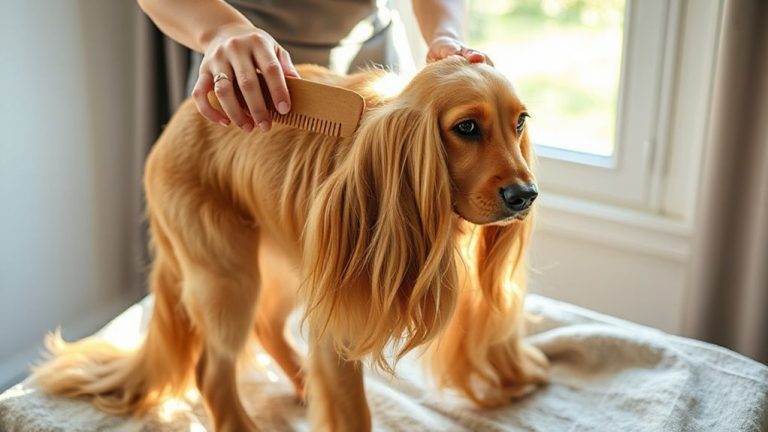
How do you guarantee your pet gets the most relief from a medicated bath? Start by wetting the coat thoroughly with lukewarm water, which opens skin pores and helps disrupt the flea lifecycle. Apply a vet-approved antipruritic shampoo, focusing on irritated areas. Gently massage it in-this boosts blood flow and improves product penetration. Let the shampoo sit for 10 minutes; this contact time is critical for active ingredients to soothe inflamed skin and fortify the skin barrier. Rinse completely to prevent residue that can cause irritation. Use gloves to protect your hands. The bath removes debris, allergens, and surface fleas, reducing itch and limiting skin damage. Proper technique assures medication works effectively, offering rapid relief while supporting long-term skin health. For dogs with sensitive skin or environmental allergies, consider a hypoallergenic formula like best dog shampoos for allergies to minimize further irritation.
How Often to Use Medicated Baths for Flea Control
Why leave your pet’s relief to guesswork? Establishing the right bath frequency is critical for effective flea control. For acute flea allergy dermatitis, bathe your pet every 3 to 4 days using a medicated shampoo containing chlorhexidine (2%) and phytosphingosine (0.1%). This treatment schedule guarantees sustained antimicrobial activity and skin barrier repair. Flea control shampoos with pyrethrins or selamectin offer immediate knockdown, killing 98% of fleas within 5 minutes of contact. Continue baths weekly once clinical signs resolve to maintain hygiene. Over-bathing disrupts skin lipids, so do not exceed twice weekly. Always follow label instructions for dilution and contact time-typically 10 minutes-to maximize efficacy. Adjust the bath frequency based on severity, environment, and veterinary guidance. A consistent treatment schedule prevents resurgence and supports faster healing. This protocol delivers measurable results in pruritus reduction and skin recovery. For optimal results, consider using one of the top-rated flea baths recommended for dogs with sensitized skin.
Combine Baths With Year-Round Flea Prevention
Bathing your pet regularly helps manage flea allergy dermatitis, but it’s only one part of a complete control strategy. You must combine bathing frequency with year-round flea prevention for lasting results. Medicated baths reduce allergens and soothe skin, yet they don’t prevent reinfestation. Use FDA-approved topical or oral preventives-such as fluralaner, afoxolaner, or spinosad-monthly without fail. Preventive consistency is critical; missing doses by even a week increases risk of flea rebounds. These products kill fleas within 4–12 hours and remain effective for 30 days. Pair oral or topical preventives with environmental control, like washing bedding weekly in hot water and vacuuming high-traffic areas every 48 hours. Bathing should occur every 1–2 weeks using a veterinary-recommended medicated shampoo with chlorhexidine or oatmeal. This dual approach guarantees both immediate relief and sustained protection.
Watch for Signs of Infection or No Improvement
Could your pet’s persistent scratching mean something more than flea allergy dermatitis alone? Unresolved irritation may signal skin lesions or secondary infections requiring veterinary intervention. Medicated baths help, but they’re not a cure-all. Monitor your pet closely for redness, oozing, or worsening discomfort.
| Symptom | Action |
|---|---|
| Pus, swelling, or foul odor | Suspect bacterial infection; seek vet care |
| No improvement after 2–3 weeks | Reassess treatment plan or dosage frequency |
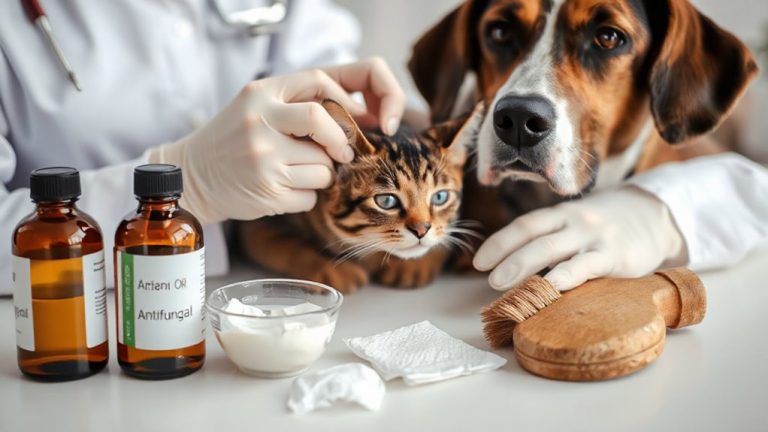
Skin lesions that don’t heal within 14 days often stem from underlying secondary infections. Yeast or *Staphylococcus* overgrowth is common in inflamed areas. Continue medicated baths with chlorhexidine 2–4% or benzoyl peroxide 2.5–10%, but only as directed. Overbathing can worsen irritation. If signs persist, your vet may prescribe oral antibiotics or antifungals. Early detection improves outcomes markedly.
On a final note
You’ve addressed flea allergy dermatitis effectively with medicated baths. These cleansers reduce pruritus by removing allergens and disrupting biofilm. Use chlorhexidine 2% or oatmeal-based shampoos for ideal anti-inflammatory results. Bathe every 7–14 days to preserve skin barrier function. However, baths alone won’t prevent reinfestation. Pair treatments with monthly isoxazoline-class preventatives for sustained control. Monitor lesions closely-delayed improvement warrants veterinary reassessment.