Maintaining Muscle Mass in Older Dogs With Protein-Sufficient Portion Design
You need to feed your senior dog 25–30% protein on a dry matter basis-50% more than younger adults-to combat muscle loss. High-quality animal proteins like chicken or fish provide over 90% digestibility and essential amino acids such as leucine. Aim for 1.5 to 2.0 grams of protein per kg of body weight daily, split into two meals. This strategy supports nitrogen balance and reduces metabolic stress. Monitor muscle condition, energy, and stool quality-consistent results mean your approach is working. Further refinements can improve long-term outcomes.
Notable Insights
- Senior dogs need 25–30% dietary protein on a dry matter basis to maintain muscle mass and offset age-related metabolic decline.
- Provide at least 1.5 to 2.0 grams of protein per kg of body weight daily, split into two meals for optimal absorption.
- Prioritize high-quality animal-based proteins like chicken, turkey, or fish, which offer over 90% digestibility and essential amino acids.
- Include leucine-rich proteins to stimulate muscle protein synthesis and help counteract sarcopenia in aging dogs.
- Monitor body condition, energy levels, and coat quality monthly to assess the effectiveness of the protein-sufficient feeding plan.
Why Senior Dogs Need More Protein
Although you might assume that older dogs need less protein, they actually require more to maintain muscle mass as they age. Aging metabolism reduces protein synthesis efficiency by up to 30%, increasing dietary needs. Senior dogs experience accelerated muscle breakdown, raising the risk of sarcopenia. Higher protein intake supports muscle preservation, countering this decline. Ideal diets contain 25–30% protein on a dry matter basis, with at least 75% from high-quality animal sources. Leucine, an essential amino acid, stimulates muscle protein synthesis, making it critical in senior formulations. These diets improve nitrogen retention and lean mass, verified in controlled 12-week trials. Without sufficient protein, even healthy-weight seniors lose strength and mobility. Proper formulation doesn’t strain kidneys in healthy dogs, as previously believed. You must prioritize bioavailable protein sources-like chicken, eggs, or fish-over plant-based fillers. Balanced amino acid profiles are non-negotiable for effective muscle preservation in aging canines.
How Much Protein Do Senior Dogs Really Need?
When calculating your senior dog’s protein needs, aim for 25–30% crude protein on a dry matter basis in their diet. This range supports muscle maintenance without overburdening kidney function in healthy dogs. Many protein myths suggest older dogs need less protein, but research shows the opposite-reduced intake can cause amino deficits that impair immune response and muscle synthesis. Adequate high-quality protein provides essential amino acids like leucine, which stimulate muscle protein synthesis. Studies indicate senior dogs require 50% more protein than younger adults to prevent sarcopenia. Digestibility matters: look for ≥85% digestibility to guarantee efficient nutrient absorption. Contrary to outdated beliefs, controlled protein intake at these levels doesn’t harm organs in normal aging dogs. Monitoring body condition and muscle mass is key. Avoid underfeeding protein-doing so risks functional decline. Accurate formulation prevents deficiencies and supports vitality in later years.
Best Protein Sources for Senior Dogs
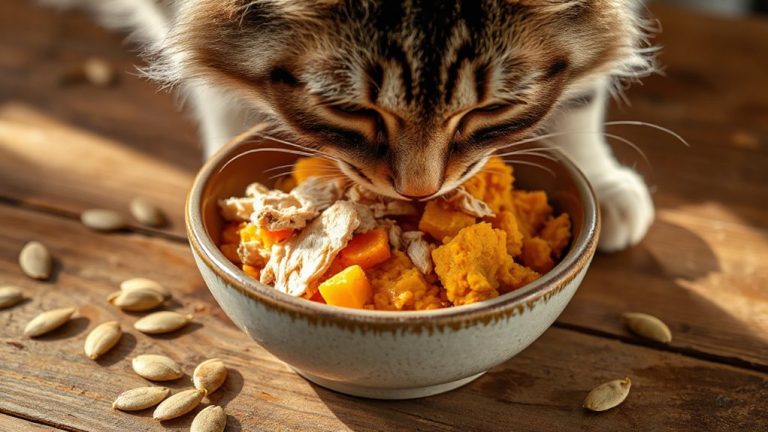
High-quality protein isn’t just about quantity-it’s about source and digestibility. You should prioritize animal based proteins like chicken, turkey, and fish, which have high biological value (BV) and essential amino acid profiles. These proteins support muscle maintenance with digestibility rates often exceeding 90%. Animal based proteins also contain taurine and L-carnitine, essential for senior dog metabolism. While plant based proteins-such as peas and lentils-can supplement the diet, they’re lower in essential amino acids and less digestible (typically 70–80% digestibility). They should not dominate the protein blend. Choose commercial diets listing animal proteins as first ingredients, ensuring crude protein levels of 25–30% on a dry matter basis. Avoid plant based proteins as primary sources. Best protein sourcing directly impacts nitrogen retention and lean mass preservation in aging dogs. Prioritize quality, not just content.
How to Balance Protein in Senior Dog Meals
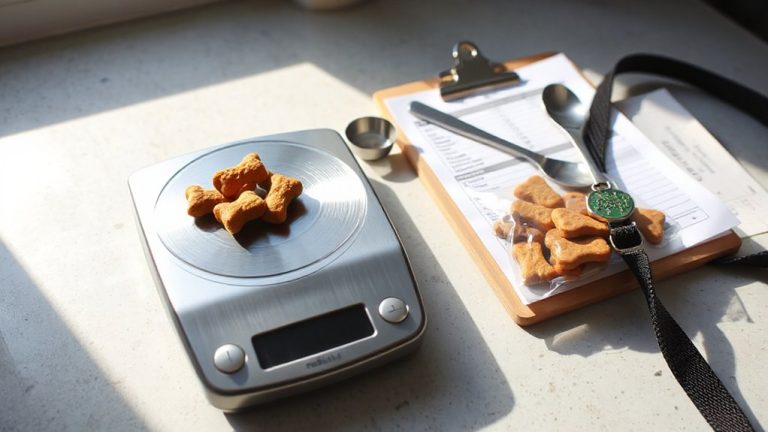
Because protein balance affects muscle retention and kidney function in aging dogs, you’ll need to match intake to your dog’s specific health status and activity level. Portion control guarantees your senior dog receives adequate protein without overburdening the kidneys. For most dogs over seven years, 1.5 to 2.0 grams of protein per kilogram of body weight daily supports muscle synthesis. Divide this across two meals to maximize absorption and reduce metabolic strain. Meal timing matters-consistent feeding schedules improve nitrogen utilization. Large, infrequent meals can spike blood urea; smaller, timed portions maintain steady amino acid availability. Lean poultry, eggs, and fish offer high biological value proteins ideal for balanced formulations. Monitor body condition and adjust portions if weight shifts. Always pair protein adjustments with veterinary oversight. Use calibrated measuring tools, not volume estimates, to guarantee accuracy.
How to Tell If Your Dog’s Diet Is Working
How do you know your senior dog is getting the right nutrition? Monitor changes in energy levels and observe digestive health closely. A dog thriving on an optimized diet shows consistent daytime activity, such as willingness to walk or play, without excessive fatigue. Improved energy levels typically appear within two to three weeks of dietary adjustment. Check for firm, well-formed stools; ideal digestive health means minimal gas, no diarrhea, and less stool volume due to efficient nutrient absorption. Track body condition score monthly-muscle retention over the hindquarters and spine indicates sufficient protein intake. Coat quality improves with proper nutrition, becoming shinier and less prone to shedding. Weigh your dog every two weeks to detect unintended loss or gain. Stable weight, combined with enhanced mobility and alertness, confirms diet effectiveness. These measurable indicators-digestive health, energy levels, body composition-provide objective evidence your dog’s nutritional plan is working.
On a final note
You need to prioritize protein in your senior dog’s diet to combat age-related muscle loss. Older dogs require 25–50% more protein than younger adults, ideally 2.0–3.5 g per kg of body weight daily. Choose highly digestible sources like lean poultry, eggs, or fish with >80% bioavailability. Balance meals with controlled phosphorus and antioxidants. Monitor body condition and muscle mass every 3–6 months to assess dietary efficacy.