Portion Calibration for Pets With Chronic Conditions Such as Kidney Disease or Diabetes
You must calibrate portions precisely for pets with kidney disease or diabetes to maintain metabolic stability. Feed diabetic pets two equal meals 12 hours apart using measured kcal based on 70 × body weight (kg)^0.75. Use therapeutic diets low in phosphorus and high-quality protein for kidney support. Weigh food in grams daily-variations over 10% can disrupt blood glucose or electrolytes. Adjust portions every 4–6 weeks using lab results, body condition, and veterinary guidance; consistency prevents complications. Further refinements follow with ongoing monitoring.
Notable Insights
- Accurate portion control helps stabilize blood glucose in diabetic pets and reduces kidney strain in renal disease.
- Feed diabetic pets two equally timed meals 12 hours apart to regulate insulin needs and prevent spikes.
- Use therapeutic, low-phosphorus, high-quality protein diets for kidney disease, with portions based on body weight.
- Measure food using a digital scale or calibrated cup to avoid 10–15% intake errors that disrupt health.
- Adjust portions regularly based on weight, lab results, and disease progression, with veterinary guidance every 4–6 weeks.
Why Portion Control Is Critical for Pets With Kidney Disease or Diabetes
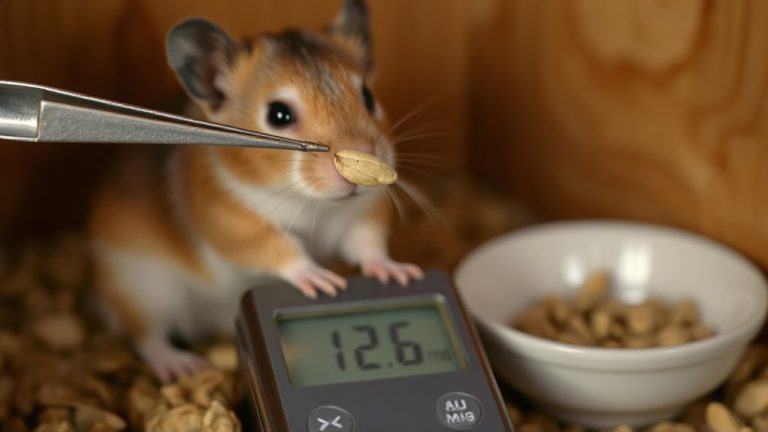
Even a small miscalculation in daily food intake can substantially impact your pet’s health if they have kidney disease or diabetes. Precise portion control helps stabilize blood glucose levels in diabetic pets and reduces renal workload in those with kidney disease. You must maintain strict fluid balance, as dehydration worsens kidney function while overhydration stresses compromised organs. Consistent fluid intake aligns with portion-regulated meals to support metabolic stability. Nutrient timing also matters-feeding at regular intervals regulates insulin response and prevents catabolism. For diabetic pets, meals should coincide with insulin peaks, typically every 12 hours. In kidney disease, smaller, frequent meals reduce uremic toxin buildup. You’ll need measured cups or digital scales accurate to 1 gram for consistency. Therapeutic diets require exact portions to deliver intended medical benefits. Deviations of just 10–15% can disrupt electrolyte levels or glycemic control. Your diligence guarantees treatment efficacy, slows disease progression, and maintains adequate nutrition without overburdening essential systems. High-quality ingredients in best dog food brands support better nutrient absorption and reduce strain on compromised organs.
How to Calculate the Right Meal Size for Pets With Chronic Conditions
How do you determine the exact meal size your pet needs when managing a chronic condition like diabetes or kidney disease? Your pet’s daily caloric requirement must align with their condition-specific metabolic demands. Begin by consulting your veterinarian to establish ideal daily intake, typically calculated in kilocalories per kilogram of body weight per day. For diabetic pets, consistent meal timing is essential to match insulin peaks and prevent glucose spikes. Divide the total daily ration into two equal meals, spaced 12 hours apart. For kidney disease, prioritize nutrient balance by selecting vet-recommended therapeutic diets with restricted phosphorus and high-quality, low-protein formulas. Use a calibrated measuring cup or digital scale for precise portioning. Never free-feed. Accurate meal timing and ideal nutrient balance directly influence disease control and your pet’s long-term stability.
Tailor Portions to Your Pet’s Weight, Age, and Activity Level
Your pet’s ideal meal portion isn’t one-size-fits-all-it shifts based on their weight, age, and daily activity. Overweight pets often need 10–20% fewer calories, while senior animals may require up to 30% less due to reduced metabolism. Active pets, especially those exercising more than 60 minutes daily, might need increased caloric intake-typically 1.5 to 2 times maintenance levels. Adjusting meal timing helps stabilize blood sugar, especially crucial for diabetic pets. Feed consistently at the same times each day. For pets with kidney disease, smaller, more frequent meals reduce renal workload. Food texture influences intake; softer textures suit older pets with dental issues, while kibble may support dental health. Always base portions on precise body weight-use grams for accuracy. Consult your vet to tailor daily calories using metabolic energy requirements (kcal/day = 70 × body weight in kg^0.75).
Avoid These Common Feeding Mistakes in Diabetic or Kidney-Disease Pets
While managing a pet’s chronic condition, consistent feeding practices are critical, and even small errors can disrupt metabolic balance. Inconsistent feeding times impair insulin regulation in diabetic pets and strain kidney function. Overfeeding consequences include weight gain, elevated blood glucose, and increased renal workload. Meals must align with medication schedules and energy needs.
| Mistake | Impact | Solution |
|---|---|---|
| Irregular meal times | Blood sugar swings | Feed every 12 hours |
| Free-feeding dry food | Overeating, glucose spikes | Use scheduled portions |
| Ignoring calorie density | Weight gain | Measure kcal/cup accurately |
| Skipping protein monitoring | Muscle loss or uremia | Choose controlled-protein diets |
| Not weighing food | Portion inaccuracies | Use gram-scale measurements |
Stick to vet-approved portions and exact meal timing. Precision prevents complications.
Adjust Portions With Your Vet Over Time
As your pet’s health status evolves, so too must their nutritional plan to maintain metabolic stability. Monitoring changes in weight, appetite, and lab values is essential for timely intervention. Adjusting frequency of feedings-such as moving from twice daily to three smaller meals-can improve nutrient absorption and glucose control. Work with your veterinarian to recalibrate portion sizes based on body condition score, hydration status, and disease progression. For diabetic pets, insulin response often shifts over time, requiring precise food intake adjustments to match. Pets with kidney disease may need reduced protein or phosphorus loads, adjusted every 4–6 weeks. Portion modifications should align with clinical metrics, not just physical appearance. Regular bloodwork and urine analysis guide these decisions. Never alter rations without professional input. Consistent communication guarantees your pet stays within targeted therapeutic ranges, minimizing complications and supporting long-term wellness through precisely timed, vet-supervised dietary changes.
On a final note
You must monitor portions carefully to manage your pet’s chronic condition. Precise meal sizes stabilize blood glucose in diabetics and reduce kidney workload in renal disease. Use a gram-scale to measure food within 5% of the vet-prescribed amount. Adjust only with veterinary guidance, based on bloodwork and weight changes. Overfeeding accelerates organ decline. Consistency in timing, quantity, and prescription diet formulation improves long-term outcomes. Your discipline directly influences metabolic stability.