Best Snails for Shrimp Tanks: Nerite, Ramshorn & Trumpet
You want snails that clean efficiently without harming shrimp or overrunning your tank. Nerite snails are ideal: they graze on algae at night, tolerate pH 6.5–8.0, and won’t reproduce in freshwater. Ramshorn snails eat detritus and algae but can multiply quickly. Malaysian Trumpet snails aerate substrate but reproduce via parthenogenesis. Maintain pH 7–8 and GH 6–10 for shell health. Each has trade-offs in control, compatibility, and maintenance-knowing their biology helps you choose wisely.
We are supported by our audience. When you purchase through links on our site, we may earn an affiliate commission, at no extra cost for you. Learn more. Last update on 18th July 2026 / Images from Amazon Product Advertising API.
Notable Insights
- Nerite snails are ideal for algae control and won’t reproduce in freshwater, preventing overpopulation.
- Ramshorn snails eat algae and detritus without harming healthy plants, making them safe for shrimp tanks.
- Malaysian Trumpet snails aerate substrate and consume waste but can overpopulate due to live-bearing reproduction.
- Mystery snails help control algae and detritus, are peaceful, and pose no threat to shrimp or plants.
- All recommended snails thrive in similar pH and temperature ranges as shrimp, ensuring compatibility and safety.
10 Live Ramshorn Snails for Aquarium

If you’re setting up a vibrant shrimp tank that doubles as a self-sustaining ecosystem, live Ramshorn snails are your secret tool for algae control and nutrient cycling. I’m Planorbella duryi, bred in the USA for hardiness and sustainability. My shell coils flat, like a ram’s horn, and comes in color morphs-pink, blue/black, or leopard-depending on stock. I thrive in pH 7–8, which strengthens my shell. At shipping, I’m pea-sized, fully acclimated. I eat brown and green algae, leftover food, and waste, but never healthy plants. I was raised on unsalted green beans and algae wafers. I reproduce quickly; control my numbers by limiting food.
Best For: Aquarists seeking low-maintenance, efficient cleanup crew members for planted tanks or shrimp aquariums to naturally manage algae and detritus.
Pros:
- Effectively consumes algae, uneaten food, and organic waste, improving tank cleanliness
- Breeds quickly to establish a sustainable population for continuous maintenance
- Comes in attractive color morphs and is raised sustainably in the USA
Cons:
- Rapid reproduction may lead to overpopulation without proper food control
- Requires stable pH (7–8) for optimal shell health and development
- Not suitable for tanks with snail-eating fish or aggressive inhabitants
Mini Algae Discs for Snails & Shrimp

I rely on Mini Algae Discs when I need a nutritionally dense, sinking food my snails and shrimp can access quickly. These wafers deliver 30% crude protein from fish meal, spirulina, plants, and vegetables-crucial for growth and vitality. They sink rapidly, ensuring bottom dwellers get first access without competition from mid- or top-level fish. Each disc is small but potent, designed for efficient consumption and minimal waste. I use the resealable 1.5oz bag for portion control, and it keeps the wafers fresh between feedings. Available in 1.5oz, 3oz, and 9oz sizes, they suit small tanks and larger setups alike.
Best For: Snail and shrimp keepers seeking a high-protein, fast-sinking, and minimally wasteful food option for bottom-dwelling aquatic pets.
Pros:
- High 30% crude protein content from quality sources like fish meal and spirulina supports optimal growth and health
- Sinks rapidly to ensure direct access for bottom feeders, reducing food competition
- Resealable packaging in multiple sizes maintains freshness and allows for precise portion control
Cons:
- May be too small or fragile for larger bottom feeders to consume efficiently
- Algae-based formula might not fully meet the nutritional needs of carnivorous species
- Limited availability in larger retail stores, primarily found online or in specialty shops
Swimming Creature™ Premium Freshwater Shrimp & Snails

Swimming Creature™ Premium Freshwater Shrimp & Snails delivers a balanced, visually striking aquarium population ideal for hobbyists seeking vibrant, low-maintenance invertebrates. I include 10 Neocaridina shrimp in premium variants like Fire Red, Blue Dream, Sunkist Orange, and Goldenback Yellow-colors may vary slightly based on availability. These shrimp are hardy, thriving in freshwater tanks between 68–78°F with a pH of 6.5–7.5. Included are 3 assorted mystery snails, selected for algal control and detritus cleanup. Snail species and coloration vary by stock. All specimens are high-grade, screened for health and vigor, making them reliable for clean, dynamic aquascapes. They coexist safely with most tank mates.
Best For: Aquarists seeking vibrant, low-maintenance invertebrates to enhance their freshwater aquarium with color and natural cleanup.
Pros:
- Includes a mix of premium-colored Neocaridina shrimp and mystery snails for visual appeal and tank maintenance
- All specimens are high-grade, healthy, and selected for hardiness and vitality
- Safe for community tanks with compatible tank mates and effective at algae and detritus control
Cons:
- Shrimp and snail colors/species may vary, which could disappoint those seeking specific variants
- Not recommended for tanks outside optimal water parameters (68–78°F, pH 6.5–7.5)
- Mystery snails may reproduce or be sensitive to poor water conditions if not properly maintained
Swimming Creatures™ Nerite Snails (6 Pack)

One of the top choices for shrimp tank enthusiasts is the Swimming Creatures™ Nerite Snails (6 Pack), particularly for hobbyists seeking algae control without risking tank balance. I’ve found these snails to be non-aggressive, making them ideal for community tanks. They coexist peacefully with shrimp and most freshwater fish. These snails are hardy, adapting easily to various water parameters, from pH 6.5 to 8.0 and temperatures between 72°F and 78°F. I recommend them for both beginners and experienced keepers. They require minimal care but deliver maximum results-constantly grazing on algae. Unlike some species, they don’t reproduce in freshwater, preventing overpopulation. My tanks stay cleaner with less maintenance.
Best For: Shrimp tank enthusiasts and aquarium hobbyists seeking low-maintenance, effective algae control with peaceful, non-invasive tank mates.
Pros:
- Non-aggressive and compatible with shrimp and most freshwater fish
- Hardy and adaptable to a wide range of water conditions (pH 6.5–8.0, 72°F–78°F)
- Effective algae grazers that do not overpopulate since they don’t reproduce in freshwater
Cons:
- Can be difficult to find or may arrive dead due to shipping sensitivity
- Minimal impact on certain types of tough or deep-seated algae
- Limited mobility; may not reach all areas of the tank effectively
SunGrow Shrimp Rocks for Aquarium (4 oz)

SunGrow Shrimp Rocks for Aquarium (4 oz) are an ideal choice for shrimp keepers seeking a low-maintenance yet effective mineral supplement to support molting and long-term health. Each pack contains small, 0.5-inch mineral stones and powder, harvested-not manufactured-from natural sources. The 4 oz quantity treats a 28-gallon tank and lasts up to six months. Rich in calcium and magnesium, these rocks promote shell development in shrimp, snails, crabs, and crayfish. They act as an ion exchanger, releasing essential minerals to stabilize pH and improve water clarity. Ideal for Crystal Red, Amano, and Ghost shrimp. Also doubles as natural aquascape decor.
Best For: Shrimp keepers seeking a natural, long-lasting mineral supplement to support molting, shell development, and water stability in small to medium aquariums.
Pros:
- Rich in calcium and magnesium to promote healthy molting and vibrant coloration in shrimp and other crustaceans
- Acts as an ion exchanger to stabilize pH and improve water clarity over time
- Doubles as natural-looking aquascape decor while also being usable in home décor displays
Cons:
- Limited quantity (4 oz) may require frequent repurchasing for larger tanks
- Contains powder that may temporarily cloud water upon initial use
- Specific benefits are targeted to shrimp and similar species, offering less value for fish-only tanks
6+ Large Malaysian Trumpet Snails
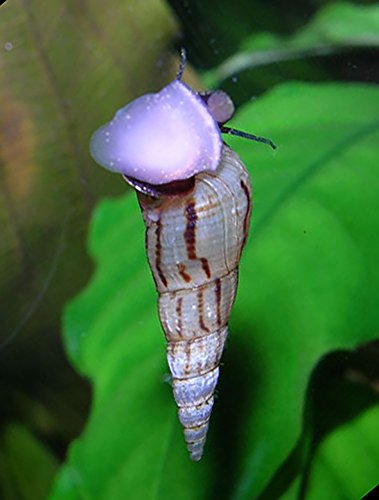
If you’re stocking a shrimp tank and need reliable cleanup crew members, large Malaysian Trumpet Snails (Melanoides tuberculata) are an excellent choice. These freshwater snails range from 1/2 to 1 inch, making them ideal for small or densely planted tanks. They stay active at night, burrowing into the substrate to aerate it and prevent toxic gas buildup. Each snail consumes uneaten food, decaying plant matter, and algae efficiently. A single package contains six or more live snails. They’re low-maintenance, peaceful, and safe for shrimp. Plus, there’s a promotion: buy two, get one free-boost your cleaning crew effortlessly.
Best For: Shrimp tank owners seeking low-maintenance, efficient cleanup crew members that help aerate substrate and control debris and algae.
Pros:
- Excellent at consuming uneaten food, decaying plant matter, and algae
- Burrows into substrate to prevent toxic gas buildup and improve tank health
- Peaceful, shrimp-safe, and thrives in planted aquariums
Cons:
- Can reproduce rapidly and become overpopulated if unchecked
- Mostly nocturnal, so activity may not be visible during the day
- Potential to introduce pests or diseases if not quarantined properly
Mineral Balls for Snail & Shrimp Tanks

You’ll want strong, mineral-rich water if you keep shrimp or snails, and these calcium-enriched mineral balls help maintain the ideal environment. Each pack includes ten balls-five orange, five gray-designed to release essential minerals gradually. They measure 0.8–1 inch (2–2.54 cm) in diameter, making them safe for small tanks and nano setups. I use one ball per 2 gallons of water to sustain stable hardness levels. They last up to 12 months, reducing the need for frequent replacements. I always rinse them before adding them to my tank. They work well in freshwater aquariums, supporting healthy molting and shell formation in shrimp, snails, and crayfish. They also double as subtle, functional decor on the substrate.
Best For: Shrimp, snail, and crayfish enthusiasts seeking to maintain stable water hardness and support healthy molting and shell development in freshwater aquariums.
Pros:
- Releases essential minerals gradually to support shell and exoskeleton health
- Long-lasting formula effective for up to 12 months
- Doubles as subtle, functional substrate decor in nano and small tanks
Cons:
- Limited to freshwater use only, not suitable for saltwater setups
- Color variants may leach dye if not rinsed properly before use
- Fixed dosage (1 ball per 2 gallons) may be excessive for very small tanks under 2 gallons
2 Gallon Glass Fish Tank

A 2-gallon glass fish tank is ideal for hobbyists seeking a compact, high-clarity habitat to house snails in a shrimp tank setup. Its rectangular design maximizes space efficiency while fitting neatly on desks or shelves. Made from ultra-white glass with 91% light transmittance, it delivers crisp visibility and enhances aquatic display. Smooth, polished edges prevent injury during handling. An included aquarium mat distributes weight and protects surfaces. I’ve found it compatible with small heaters, filters, and plants. It’s perfect for aquascaping, breeding, or housing snails, shrimp, or bettas. Easy to clean and maintain, it supports stable micro-ecosystems.
Best For: Aquarists looking for a compact, high-clarity tank to maintain a small, stable aquatic environment for snails, shrimp, or bettas in limited spaces.
Pros:
- Made from ultra-white glass with 91% light transmittance for exceptional clarity and visual appeal
- Smooth, polished edges and included aquarium mat enhance safety and protect surfaces
- Rectangular design supports easy integration with filters, heaters, and aquascaping elements
Cons:
- Limited 2-gallon capacity restricts suitability to only small aquatic species or minimal setups
- Not ideal for larger fish or complex ecosystems due to size constraints
- May require frequent maintenance to sustain water quality in a small volume
Calcium for Shrimp, Snails, Plecos | Breeding & Molts

Shrimp keepers who prioritize breeding success and robust molts choose this calcium supplement for its reliable performance and targeted nutrition. I use it to prevent calcium deficiency, weak exoskeletons, and failed molts in my shrimp, snails, and plecos. The 100% natural formula delivers essential vitamins-A, C, K1, B6-plus iron, phosphorous, and calcium. Each 2-ounce container holds about 1.7 ounces of fast-sinking tablets. I dose one tablet every other day; they don’t dissolve, minimizing water cloudiness. Made in the USA by KatsAquatics (Model: 3Z-D5TJ-OEI5, ASIN: B09NYN5L62), it supports healthy growth in neocaridina, caridina, mystery snails, and more.
Best For: Shrimp, snail, and pleco keepers focused on breeding success, strong molts, and preventing calcium deficiency in aquatic invertebrates.
Pros:
- Supports healthy molting, strong exoskeletons, and breeding in shrimp, snails, and plecos
- 100% natural formula with essential vitamins (A, C, K1, B6) and minerals (calcium, iron, phosphorous)
- Fast-sinking tablets that don’t dissolve, reducing water cloudiness and waste
Cons:
- Only 1.7 ounces of usable product in a 2-ounce container
- Tablets may be too large for very small shrimp or juveniles
- Limited flavor/color variants may not appeal to all hobbyists
4 Large Malaysian Trumpet Snails for Tank Cleaning

Malaysian Trumpet Snails are the ideal cleanup crew for shrimp tank owners seeking efficient, chemical-free maintenance. I add four live, green snails per package, each 0.5–1 inch long. They’re shipped fresh for freshwater aquariums or ponds. ASIN: B0DJ8N1NKL. Item weighs 0.5 pounds; dimensions are 5 x 4 x 4 inches. They eat detritus, uneaten food, and algae, scraping surfaces clean. I respire CO2 and produce waste that fertilizes plants. I don’t harm healthy vegetation. Brand is Aquatic Discounts. Available since September 30, 2024. BUY2GET1 applies. Bonus snails included.
Best For: Shrimp tank owners seeking a chemical-free, efficient cleanup crew to maintain tank cleanliness and support plant growth.
Pros:
- Effectively cleans detritus, algae, and leftover food without harming live plants
- Enhances plant growth by releasing CO2 and providing natural fertilizer through waste
- Includes bonus snails with every purchase through the BUY2GET1 promotion
Cons:
- Potential overpopulation if not monitored, as they can reproduce rapidly in favorable conditions
- Limited size (0.5–1 inch), which may not appeal to those seeking larger, more visible cleaners
- Shipping live animals carries risk of mortality during transit
Factors to Consider When Choosing a Snail for Shrimp Tank
You need to check tank compatibility before adding snails, as some species stress shrimp or compete for food. Size and space matter-larger snails like Malaysian Trumpets need at least 5 gallons to avoid overcrowding, while smaller species fit better in nano tanks. Consider algae control, breeding behavior, and water parameters like pH (6.5–8.0) and hardness (3–15 dKH), since these directly affect both snail performance and shrimp safety.
Tank Compatibility
What makes a snail truly compatible with your shrimp tank? You need species that thrive in the same water conditions-match pH (6.5–8.0), carbonate hardness (3–10 dKH), and temperature (72–78°F). Pick peaceful snails that won’t bother shrimp, especially during molting when shrimp are soft and exposed. Avoid aggressive types like large predatory snails-they’ll stress or harm your shrimp. Choose slow-breeding species to prevent overcrowding and food competition. Nerites, for example, don’t reproduce in freshwater, making them ideal. If you have live plants, select non-destructive foragers; some snails uproot delicate roots while feeding. Malaysian trumpet snails stay buried most of the time and rarely disturb shrimp. Always research feeding habits and behavior. A compatible snail supports tank balance without disrupting shrimp routines or ecosystem stability.
Size And Space
When adding snails to your shrimp tank, size and available space play critical roles in maintaining a balanced ecosystem. Choose snails based on their adult size-some grow over 1 inch, needing ample room to move and forage. A good rule is 1 gallon of water per inch of snail to prevent overcrowding and resource competition. In nano tanks under 5 gallons, smaller species are best to avoid stressing the system. Too many snails in limited space increase waste, spiking ammonia and endangering shrimp. Burrowing types, like certain ramshorns, need 1.5 to 2 inches of substrate to dig safely without disrupting plant roots or disturbing tank stability. Plan placements wisely-overstocking harms water quality fast. Space management isn’t just about volume; it’s about behavior, waste load, and long-term tank health.
Algae Control
A well-maintained shrimp tank relies on efficient algae control to support long-term stability, just as careful stocking supports space and water quality. You need snails that actively consume green and brown algae on glass, substrate, and hardscape. Species like Nerite snails graze effectively during low-light periods or at night, aligning with natural feeding rhythms. They target film-like algae and diatoms, preventing biofilm buildup on plant leaves and decorations. Some also eat soft filamentous algae, improving water clarity. Their continuous grazing reduces manual cleaning frequency. However, overstocking causes excess waste, increasing ammonia and nitrate levels. You must balance snail numbers with tank size-typically 1–2 small snails per 5 gallons. Choose slow-reproducing species to avoid population spikes. These invertebrates enhance ecosystem balance when matched to bioload and algae type. Proper selection guarantees sustainable, chemical-free algae management.
Breeding Behavior
Since some snails reproduce rapidly, your choice directly impacts tank stability and long-term maintenance. Asexual species like Malaysian Trumpet Snails reproduce through parthenogenesis, allowing a single snail to colonize your tank. These livebearers give birth to fully formed juveniles, bypassing eggs entirely and increasing spread speed. Ramshorns lay gelatinous clutches containing dozens of eggs, hatching in 2–4 weeks depending on temperature. Each clutch sticks to glass, plants, or decor, making removal tedious. Overpopulation stresses shrimp and degrades water quality, especially with excess food or detritus. In contrast, species requiring both male and female mates reproduce slower, offering better population control. If you want minimal breeding, avoid self-fertilizing types. Monitor reproduction closely-rapid multiplication often reflects overfeeding. Choose breeding behavior as carefully as size or diet.
Water Parameters
What if your snail’s shell begins to erode despite pristine water? The issue likely lies in pH or mineral balance. Snails need a pH between 7.0 and 8.0 to support proper shell formation. If levels drift below this range, acidic conditions slowly dissolve calcium carbonate structures. Maintain GH at 8–12 dGH to guarantee ample calcium for shell strength and molting. Without sufficient hardness, even healthy-looking water can starve snails of critical minerals. KH should stay between 4–8 dKH to stabilize pH and prevent dangerous swings. Keep ammonia and nitrite at 0 ppm-snails are highly sensitive to nitrogenous waste and deteriorate quickly when exposed. Temperature must remain between 68°F and 82°F, matching most tropical shrimp setups. Stable, well-balanced parameters safeguard both species.
Nutritional Needs
Balancing nutrition is critical when selecting snails for a shrimp tank, as their long-term health hinges on consistent access to essential minerals and organic matter. You need to supply calcium-rich foods-like algae, biofilm, and decaying plant matter-for proper shell formation and molting. Without adequate calcium, snail shells weaken, increasing risks of injury and disease. You should maintain water with 5–15 ppm calcium and supplement with spirulina or vegetable-based sinking wafers three times weekly. These wafers provide essential proteins and vitamins snails can’t get from detritus alone. Magnesium and trace minerals-such as iron and potassium-also support metabolic functions and shell integrity. Aim for a GH of 6–10 dGH to guarantee mineral availability. Balanced nutrition prevents stunted growth and boosts resilience, keeping snails active and efficient tank cleaners. You’ll see better long-term survival and performance when dietary and water-based nutrition are aligned.
Frequently Asked Questions
Can Snails Harm Shrimp in the Same Tank?
No, snails don’t harm shrimp in the same tank. You can safely keep them together under normal conditions. Most aquarium snails are detritivores, feeding on decaying plant matter and biofilm, not live organisms. Species like Nerites or Malaysian Trumpets pose no threat to healthy shrimp. Aggression or predation is extremely rare. Guarantee balanced feeding and stable water parameters-shrimp thrive when stress is low and resources aren’t limited.
How Often Should I Feed Snails in a Shrimp Tank?
You don’t need to feed snails daily. They thrive on biofilm, algae, and leftover shrimp food. Supplement their diet every 2–3 days with blanched vegetables like zucchini or spinach. Overfeeding causes waste buildup and water quality issues. Use calcium-rich foods weekly to support shell health. Always remove uneaten portions after 24 hours. Monitor tank conditions; high nitrates indicate overfeeding. A balanced ecosystem reduces the need for manual feeding.
Do Snails Reproduce Too Quickly in Small Tanks?
Yes, some snails reproduce too quickly in small tanks. You’ll see populations explode if you introduce invasive species like pond snails. They breed rapidly-females lay hundreds of eggs monthly. In under 10-gallon tanks, this causes overcrowding. Choose sterilized or slow-reproducing species instead. Nerite snails won’t multiply in freshwater, making them ideal. Monitor egg clusters and remove them to maintain balance.
Are Snails Safe With Shrimp During Molting?
Yes, snails are generally safe with shrimp during molting. You won’t see them actively attacking healthy or molting shrimp. Most aquarium snails are detritivores, feeding on decaying matter, not live prey. However, they may scavenge a freshly molted shrimp if it’s weakened or already dead. Choose peaceful species like Nerite or Malaysian Trumpet snails, which prioritize algae and substrate over protein. Maintain proper feeding to reduce scavenging risks.
Can Tap Water Harm Snails in Shrimp Tanks?
Yes, tap water can harm snails in your shrimp tank. It often contains chlorine or chloramine, which damage their delicate gills and mucus membranes. Always treat tap water with a dechlorinator before adding it. Snails are sensitive to sudden pH and mineral shifts, so match parameters carefully. Untreated water causes stress, shell erosion, and death. You’re risking both snails and shrimp without proper conditioning-never skip this step. Use a reliable liquid test kit to verify safety.