Best Puppy Food for German Shepherd Dogs That Vets Recommend
You should choose a puppy food specifically formulated for large breeds like the German Shepherd. Royal Canin German Shepherd Puppy supports joint and bone development with 1,000 mg/kg glucosamine and a 1.2:1 calcium-to-phosphorus ratio. It features a unique kibble shape for proper chewing. Purina Pro Plan Large Breed Puppy includes DHA from fish oil and controlled protein levels of 26% to support steady growth. Ideal calcium at 1.2% guarantees healthy skeletal development. Each formula meets AAFCO standards for large breed puppies. More details on nutrient balance and digestion follow.
We are supported by our audience. When you purchase through links on our site, we may earn an affiliate commission, at no extra cost for you. Learn more. Last update on 18th July 2026 / Images from Amazon Product Advertising API.
Notable Insights
- Royal Canin German Shepherd Puppy Formula supports joint and bone development with glucosamine and chondroitin for large breeds.
- The kibble’s unique shape promotes proper chewing and jaw development in German Shepherd puppies.
- Purina Pro Plan Large Breed Puppy Food contains DHA, glucosamine, and real chicken for brain, joint, and muscle health.
- Hill’s Science Diet Puppy Chicken & Rice is vet-recommended and contains DHA, high-quality protein, and balanced minerals.
- Appropriate calcium-to-phosphorus ratios (1.2:1 to 1.4:1) and controlled protein levels support healthy bone growth in large breed puppies.
Royal Canin German Shepherd Puppy Breed Specific Dry Dog Food, 30 lb. bag

If you own a German Shepherd puppy, this Royal Canin formula is the best choice for supporting their unique growth needs from 8 weeks to 15 months. I rely on its breed-specific design to deliver tailored nutrition. It contains highly digestible proteins and specific fibers to promote digestive health and firm stools. Glucosamine and chondroitin support joint and bone development in this large breed. The kibble’s shape fits the German Shepherd’s long muzzle, encouraging proper chewing. Antioxidants, including vitamin E, boost immune function. It provides 331 kcal per cup, with 3639 kcal/kg metabolizable energy.
Best For: German Shepherd puppies aged 8 weeks to 15 months who need breed-specific nutrition to support healthy growth, digestion, immunity, and joint development.
Pros:
- Tailored formula supports digestive health with highly digestible proteins and specific fibers for optimal stool quality
- Contains glucosamine and chondroitin to promote strong bones and joints during large breed growth
- Kibble shape is designed for the German Shepherd’s long muzzle, encouraging proper chewing and dental health
Cons:
- Limited to a specific breed and life stage, making it unsuitable for adult dogs or other breeds
- Relatively high daily feeding amounts required, which may lead to faster bag depletion
- Transition period required when switching foods, which may be inconvenient for some owners
Blue Buffalo Puppy Dry Dog Food (5-lb)
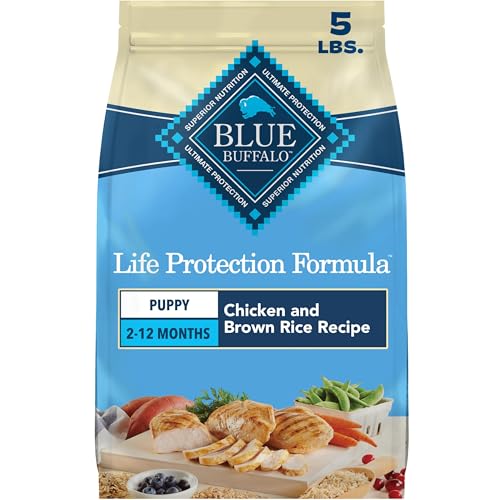
I choose Blue Buffalo Puppy Dry Dog Food (5-lb) for German Shepherd puppies that need a nutritionally balanced start with real chicken as the primary ingredient. This formula contains no poultry by-products, corn, wheat, or soy. DHA and ARA support brain and vision development, mimicking key nutrients in maternal milk. LifeSource Bits deliver a precise blend of antioxidants, vitamins, and minerals to strengthen immune function and oxidative balance. The 5-pound trial size lets you test the recipe before committing. It’s part of the Life Protection Formula line, with deboned chicken and brown rice for digestible energy. Packaging may vary but content remains consistent.
Best For: German Shepherd puppies needing a nutritious, high-quality start with real chicken and no artificial fillers.
Pros:
- Made with real chicken as the first ingredient, supporting strong muscle development
- Contains DHA and ARA for brain and eye development, plus LifeSource Bits for immune and oxidative health
- Free from chicken by-products, corn, wheat, and soy, with a 5-pound trial size ideal for testing
Cons:
- Limited to a 5-pound bag, which may not be cost-effective for larger or growing puppies
- Some packaging variations may cause confusion despite consistent content
- Brown rice formula may not suit puppies with grain sensitivities
Purina Pro Plan Puppy Food (6 lb)

This Purina Pro Plan Puppy Food (6 lb) is an ideal choice for German Shepherd owners who prioritize balanced nutrition with scientifically backed ingredients. I rely on its shredded blend formula, combining crunchy kibble with tender shreds, to encourage chewing and support dental health. Chicken is the primary ingredient, delivering high-quality protein for muscle development. Rice provides easily digestible carbohydrates for sustained energy. The inclusion of DHA from fish oil supports cognitive and visual development during early growth stages. Antioxidants strengthen the immune system. Calcium, phosphorus, and essential minerals promote strong bones and teeth-critical for a large, fast-growing breed like yours.
Best For: German Shepherd puppies and owners seeking a scientifically formulated, nutrient-rich diet to support healthy growth and development.
Pros:
- Features a shredded blend texture that promotes chewing and supports dental health
- Contains DHA from fish oil to aid brain and vision development in growing puppies
- Fortified with calcium, phosphorus, and antioxidants to support strong bones, teeth, and immune function
Cons:
- May not be suitable for puppies with chicken or grain sensitivities
- Shredded texture might be less durable for aggressive chewers
- Higher price point compared to some other puppy food brands
Purina Pro Plan High Protein Puppy Food

Purina Pro Plan High Protein Puppy Food stands out as a top-tier choice for German Shepherd owners committed to fueling their pup’s rapid growth with premium nutrition. I rely on chicken as the first ingredient to deliver high-quality protein for strong lean muscle development. DHA from omega-rich fish oil supports cognitive and visual development during critical early months. I include antioxidants to strengthen your puppy’s emerging immune system. Vitamin A and omega-6 fatty acids maintain healthy skin and a shiny coat. A highly digestible formula maximizes nutrient absorption. Calcium, phosphorus, and essential minerals build robust bones and teeth. All batches are U.S.-manufactured for consistent quality and safety.
Best For: German Shepherd puppies and other large breeds needing high-protein nutrition to support rapid growth, muscle development, and overall health.
Pros:
- Chicken as the first ingredient ensures high-quality protein for strong lean muscle development
- DHA from fish oil and antioxidants support brain, vision, and immune system development
- Enriched with calcium, phosphorus, and omega-6 fatty acids for healthy bones, teeth, skin, and coat
Cons:
- Higher protein content may not be suitable for puppies with sensitive digestion or certain health conditions
- Premium price point compared to standard puppy formulas
- Contains fish oil, which some puppies may be sensitive or allergic to
Blue Buffalo Puppy Dry Dog Food 5-lb

When choosing a nourishing foundation for a growing German Shepherd puppy, those prioritizing natural ingredients and cognitive development will find value in Blue Buffalo Life Protection Formula Puppy Dry Dog Food. Real, high-quality lamb is the first ingredient. It’s formulated without chicken by-products, corn, wheat, or soy. DHA and ARA support brain and retinal development, mimicking nutrients in mother’s milk. LifeSource Bits deliver a precise blend of antioxidants, vitamins, and minerals to strengthen immune function. They also help maintain oxidative balance. This formula meets AAFCO life stage guidelines for puppies. Each 5-pound bag contains the Lamb & Oatmeal recipe. It uses natural, premium ingredients. Packaging may vary slightly in print, but content remains consistent.
Best For: Puppies, especially large breeds like German Shepherds, whose owners prioritize natural ingredients and cognitive development support.
Pros:
- Real lamb is the first ingredient, providing high-quality protein for growing puppies
- Contains DHA and ARA to support brain and retinal development
- Includes LifeSource Bits with antioxidants, vitamins, and minerals to boost immune health
Cons:
- Contains lamb and oatmeal, which may not suit puppies with specific grain or meat sensitivities
- Smaller 5-pound bag size may require frequent repurchasing for larger or growing puppies
- Higher price point compared to non-premium or grain-inclusive puppy foods
Blue Buffalo Puppy Dry Food (4-lb)

Blue Buffalo Puppy Dry Food (4-lb) stands out for German Shepherd puppies needing robust brain development and immune support from day one. I rely on this formula because it features DHA, a critical fatty acid that supports cognitive development. Chicken is the first ingredient, ensuring high-quality protein for muscle growth. The food contains no chicken by-product meals, corn, wheat, or soy-just natural ingredients focused on peak health. LifeSource Bits, a precise blend of antioxidants, vitamins, and minerals developed by veterinarians, boosts immune function. Each 4-lb bag delivers consistent nutrition tailored for healthy growth, ideal for active, developing puppies.
Best For: Puppies, especially large breeds like German Shepherds, that need DHA-supported brain development and immune system support from a natural, high-protein diet.
Pros:
- Contains DHA to support cognitive development in growing puppies
- Features real chicken as the first ingredient for quality protein and muscle growth
- Includes LifeSource Bits with antioxidants, vitamins, and minerals to support immune health
Cons:
- Smaller 4-lb bag size may require frequent repurchasing for larger or multiple puppies
- Premium price point compared to some other puppy formulas
- Limited availability of LifeSource Bits benefits if stored improperly or exposed to air long-term
Hill’s Science Diet Puppy Chicken & Rice

Hill’s Science Diet Puppy Chicken & Rice stands out as a superior choice for German Shepherd puppies during their critical growth phase, particularly for breeders and owners focused on long-term joint and cognitive health. I rely on its DHA from fish oil to support healthy brain and eye development-critical during early neurological growth. It contains high-quality protein to fuel muscle development and sustain active play. Balanced minerals promote strong bones and teeth. The small kibble size fits tiny mouths, easing chewing and digestion. Made in the USA with global ingredients, it’s part of the #1 veterinarian-recommended dog food brand-consistent, science-backed nutrition you can trust.
Best For: German Shepherd puppies and owners seeking science-backed nutrition to support brain development, muscle growth, and joint health during critical growth stages.
Pros:
- Formulated with DHA from fish oil to support healthy brain and eye development
- Contains high-quality protein to fuel growing muscles and active play
- Balanced minerals promote strong bone and tooth development with small kibble for easy chewing
Cons:
- May not be suitable for puppies with chicken or grain sensitivities
- Some users may prefer grain-free formulas for large breed puppies
- Limited kibble size options for larger breed puppies as they grow
Purina ONE Healthy Puppy Formula – 8 lb

If you’re raising a German Shepherd puppy, the Purina ONE Healthy Puppy Formula in the 8 lb bag stands out as a strong choice-especially during the critical early growth phase. Real chicken is the first ingredient, delivering high-quality protein for muscle and heart development. The formula contains DHA from mother’s milk to support brain and vision growth. It features a SmartBlend of omega-6 fatty acids, glucosamine, calcium, and antioxidants. Four antioxidant sources boost immune health. I feed it moistened at 3–4 weeks, shifting to dry by 8 weeks. I measure meals using the 8 oz cup (96 g). I recommend a 7–10 day switch to avoid digestive upset.
Best For: Puppy owners seeking a high-quality, nutritionally balanced dry food with real chicken and DHA to support healthy growth in breeds like German Shepherds from 3–4 weeks through six months.
Pros:
- Features real chicken as the first ingredient for strong muscle and heart development
- Contains DHA, omega-6 fatty acids, glucosamine, and calcium to support brain, vision, joint, and bone health
- Includes four antioxidant sources for immune support and is free from artificial flavors, colors, and preservatives
Cons:
- Only available in an 8 lb bag, which may require frequent repurchasing for larger breed puppies
- Transition period of 7–10 days needed to prevent digestive upset, which may be inconvenient for some owners
- Limited information provided on long-term use beyond six months for large breed puppies
IAMS Proactive Health Puppy Food with Real Chicken, 15 lb. Bag

Since German shepherd puppies require robust nutritional support for their rapid growth and active development, IAMS Proactive Health Puppy Food with Real Chicken stands out as an ideal choice for owners seeking a scientifically formulated diet. I use this food because it delivers 100% complete and balanced nutrition with 22 key nutrients found in mother’s milk. Real chicken is the first ingredient, providing high-quality protein for strong muscle development. It contains omega-3 DHA to support brain cognition and learning. Antioxidants boost immune function. This dry formula has zero fillers and comes in a 15-pound bag for sustained use.
Best For: Active puppy owners seeking a nutritionally complete, high-protein diet with real chicken and essential nutrients to support muscle growth, brain development, and immune health in growing puppies.
Pros:
- Contains real chicken as the first ingredient, supporting strong muscle development with high-quality protein
- Includes omega-3 DHA and 22 key nutrients to promote brain cognition, learning, and overall growth
- Enriched with antioxidants for immune support and contains zero fillers for optimal puppy health
Cons:
- May not be suitable for puppies with chicken sensitivities or allergies
- Dry kibble texture may be less appealing to picky eaters without added moisture
- Larger breed puppies may require additional joint support not specifically targeted in this formula
Purina Pro Plan Large Breed Puppy Food

For German shepherd puppies, a well-balanced diet is non-negotiable-and Purina Pro Plan Large Breed Puppy Food stands out as the go-to choice for owners focused on long-term joint health and steady growth. I rely on its controlled nutrient profile to support proper bone and muscle development without overloading my pup’s system. Real chicken is the first ingredient, delivering a high-protein foundation essential for lean mass. It contains glucosamine to nurture joint and cartilage development-a critical need for large breeds. DHA from omega-rich fish oil aids brain and vision maturation. Omega-6 fatty acids and vitamin A maintain healthy skin and a glossy coat.
Best For: Large breed puppies like German shepherds that require controlled nutrition for healthy joint development and steady growth.
Pros:
- Contains glucosamine and DHA to support joint health and brain development
- Features real chicken as the first ingredient for high-quality protein
- Includes omega-6 fatty acids and vitamin A for healthy skin and coat
Cons:
- May be more expensive compared to other large breed puppy formulas
- Some puppies may be sensitive to chicken as a primary protein source
- Limited variety in flavor options for picky eaters
Factors to Consider When Choosing Puppy Food for Gsd
You need to prioritize breed-specific nutrition because German Shepherd puppies have unique developmental demands. Large breed growth needs mean you must choose food with controlled calcium levels-ideally 1.0% to 1.5% on a dry matter basis-and balanced energy to support steady bone development without overloading joints. Look for formulas with high-quality protein sources, like deboned chicken or lamb, listed first, plus added glucosamine and chondroitin for joint and bone support and prebiotics or probiotics to maintain digestive health.
Breed Specific Nutrition
One key factor in selecting the right puppy food for German Shepherds is understanding their breed-specific nutritional needs. These dogs have an extended growth phase lasting up to 15 months, requiring sustained nutrient support. Formulas tailored to large breeds deliver balanced protein levels-typically 23–26%-to support muscle without accelerating bone growth. Kibble shape and size are engineered for deep muzzles, encouraging proper chewing and jaw development. Controlled calcium (0.8–1.2%) and phosphorus levels help prevent skeletal disorders. Antioxidant complexes like vitamin E and beta-carotene align with immune development timelines, boosting defense during critical phases. German Shepherds often face digestive sensitivities, so breed-specific foods include prebiotic fibers and highly digestible proteins. Nutrient profiles also support joint health with glucosamine and chondroitin. You’re not just feeding a puppy-you’re building a lifetime of health with every meal. Precision matters.
Large Breed Growth Needs
Balanced nutrition during growth directly influences long-term skeletal integrity in German Shepherd puppies. You need a diet with a precise calcium-to-phosphorus ratio-typically 1.2:1 to 1.4:1-to support structured bone development. Too much or too little disrupts mineralization and raises the risk of developmental orthopedic diseases. Controlled protein levels, around 23–26% from high-quality sources, promote steady growth without overstimulation. Rapid growth from excessive calories increases stress on developing bones and joints, raising the likelihood of hip dysplasia. Feed a calorie-controlled formula-approximately 30–35 kcal per pound of body weight daily-to maintain ideal growth rates. DHA, an omega-3 fatty acid, supports cognitive and visual development; look for levels around 0.1% in the diet. Glucosamine, naturally found in cartilage-rich ingredients, aids joint tissue formation and should be present in meaningful amounts.
Joint And Bone Support
Proper skeletal development hinges on precise nutritional support during the critical growth phase of a German Shepherd puppy. You need controlled calcium levels-between 1.0% and 1.5% on a dry matter basis-and balanced phosphorus to prevent abnormal bone growth. Excess minerals or calories increase risks of developmental orthopedic diseases like hip dysplasia. Choose a formula with glucosamine (at least 1,000 mg/kg) and chondroitin to support joint cartilage during rapid growth. These compounds reinforce joint integrity, much like proper reinforcement strengthens concrete. DHA, an omega-3 fatty acid (minimum 0.1%), aids neurological development and contributes to musculoskeletal coordination. Kibble size matters, too-larger, textured pieces encourage chewing, which strengthens jaw muscles and supports skull and neck alignment. You’re not just feeding; you’re building a structural foundation. Always verify nutrient levels through guaranteed analysis, not marketing claims.
Digestive Health Considerations
Since digestive efficiency directly impacts overall health and nutrient utilization, selecting a puppy food that supports gastrointestinal function is essential for German Shepherds, a breed prone to sensitive stomachs. You should choose formulas with highly digestible proteins to boost nutrient absorption and minimize stool volume. Look for specific fiber blends, including prebiotics like fructooligosaccharides (FOS), which feed beneficial gut bacteria and enhance digestive balance. A mix of soluble and insoluble fiber promotes firm, less odorous stools and supports regular bowel movements. Avoid excessive fat levels-large breed puppies need controlled energy intake to prevent digestive stress and rapid growth. Kibble size and texture matter, too. Properly sized kibble encourages chewing and thorough mixing with saliva, jump-starting digestion. This mechanical breakdown improves overall nutrient accessibility in the gut. Prioritize foods engineered for digestive clarity, not just basic nutrition.
High Quality Protein Source
Protein powers every leap, growl, and curious sniff your German Shepherd puppy takes. You need a diet where high-quality protein is the first ingredient to guarantee it’s the primary nutrient. Look for named animal sources like chicken, beef, or lamb-they offer high biological value and essential amino acids like lysine and methionine for tissue and organ development. Your puppy requires 22–25% protein on a dry matter basis to support rapid growth and lean muscle formation. Don’t just check quantity-assess quality. Highly digestible proteins improve nutrient absorption and reduce stool volume, a sign of efficient utilization. Plant-based proteins often lack complete amino acid profiles and are less digestible. Prioritize animal-based ingredients that deliver complete nutrition. A strong protein foundation now prevents developmental issues later. Choose wisely-your puppy’s long-term health depends on it.
Dha For Brain Development
DHA fuels your German Shepherd puppy’s cognitive growth just as powerfully as protein builds their muscles. This omega-3 fatty acid, naturally present in mother’s milk, is essential for brain and vision development. You’ll want to choose a puppy food with DHA levels between 0.05% and 0.1% of total fatty acids-the range shown in studies to support peak neurological function. DHA directly contributes to neural tissue formation and retinal cell development, boosting learning ability and problem-solving skills. The first 12 weeks of life are a critical window for brain maturation, making early DHA intake crucial. Without sufficient DHA during this period, your puppy may experience suboptimal cognitive development. Look for fish oil or marine sources listed in the ingredients-these provide the most bioavailable DHA. Feeding a DHA-enriched formula gives your puppy the foundation for a sharp, responsive mind.
Antioxidants For Immunity
While your German Shepherd puppy grows at a rapid pace, their immune system faces constant challenges from environmental pathogens and developmental stress. Antioxidants like vitamin E neutralize free radicals, protecting cells during this vulnerable stage. You’ll want puppy foods with proven antioxidant blends-specifically vitamins C and E, selenium, and polyphenols-that work together to strengthen immune responsiveness. These nutrients reduce oxidative stress, which spikes in fast-growing puppies, lowering infection risks. Studies show adequate antioxidant intake enhances vaccine response by boosting white blood cell activity. Look for formulations with clinically tested levels: at least 50 IU/kg vitamin E and 200 mg/kg vitamin C. Balanced antioxidant profiles support long-term immune health by maintaining cellular integrity and immune function. Skimping here can impair your pup’s natural defenses when they’re most needed. Choose foods that prioritize immune support with precise, science-backed nutrient levels.
Proper Kibble Size
A 12 mm kibble diameter isn’t arbitrary-it’s engineered for the growing German Shepherd puppy. You should choose kibble sized between 10–18 mm to match your pup’s mouth and bite force. Larger pieces encourage slower chewing, which supports proper jaw development and reduces gulping. When your puppy chews thoroughly, food is broken down more effectively before swallowing, aiding digestion. Irregular or specially shaped kibbles improve grip, especially for pups with long muzzles, increasing engagement and chewing efficiency. Proper kibble size also promotes oral hygiene by boosting the mechanical scrubbing action on teeth. You’ll notice less tartar buildup over time. Don’t overlook shape and texture-both influence how well your puppy interacts with each bite. Matching kibble size to your German Shepherd’s growth stage guarantees maximum nutrient uptake and digestive performance. This isn’t just about convenience-it’s science-backed nutrition.
Frequently Asked Questions
How Often Should I Feed My German Shepherd Puppy Each Day?
You should feed your German shepherd puppy three to four times daily until six months old, then reduce to two meals. Puppies this age need consistent energy for growth, and frequent feeding supports stable blood sugar. After six months, switch to twice-daily feeding to prevent bloat, a breed-specific risk. Measure portions precisely-typically 2–4 cups daily, depending on weight and activity-to avoid overfeeding, which can strain developing joints.
Can I Mix Wet and Dry Food for My Puppy?
Yes, you can mix wet and dry food for your puppy. Doing so balances moisture intake with dental benefits. Use a 50/50 ratio by volume for consistency. Wet food typically contains 75% moisture, helping hydration, while dry kibble supports gum health with its abrasive texture. Always match caloric density-combine 1 cup dry (approx. 350 kcal) with ½ can wet (3 oz, ~175 kcal). Gradually introduce the mix over 7 days to avoid digestive upset.
When Should I Switch From Puppy to Adult Dog Food?
You should switch from puppy to adult dog food at around 12 to 15 months for most German Shepherds. Large breeds like yours grow slower, so premature switching can cause imbalances. Their nutrition needs peak during rapid bone and joint development. Shift gradually over 7–10 days by mixing increasing amounts of adult food. Use a high-quality, AAFCO-compliant formula with 22–25% protein and balanced calcium to support long-term musculoskeletal health.
Are Grain-Free Diets Safe for German Shepherd Puppies?
Yes, grain-free diets can be safe for German Shepherd puppies, but they’re not always ideal. The FDA has linked some grain-free formulas to dilated cardiomyopathy (DCM) in dogs, particularly those high in legumes and potatoes. German Shepherds are prone to digestive sensitivities and require balanced amino acid profiles. You’re better off choosing a grain-inclusive diet with high-quality animal protein-around 22–24% crude protein-and moderate fat levels (8–10%). Grains like brown rice and barley support steady energy and gut health.
How Do I Know if My Puppy Is Eating Enough?
You know your puppy’s eating enough when they maintain steady weight gain and have firm, consistent stools. Check their body condition monthly-you should feel ribs without seeing them. Puppies need 55–65 kcal per pound of body weight daily. Underfed pups appear lethargic; overfed ones develop loose stools or rapid weight gain. Adjust portions every two weeks based on growth charts and veterinary assessments.