Best Pregnant Dog Food Vets Actually Recommend Feeding
You need a high-energy, nutrient-dense diet with 22–28% protein and 1.2–1.8% calcium on a dry matter basis to support fetal development and lactation. Royal Canin Small Dog Starter and Blue Buffalo Puppy formulas deliver this, along with DHA for brain development and highly digestible proteins. Pair with Dog Prenatal Vitamins and HAPPY JACK Milkade to boost milk production and fill nutrient gaps. These vet-recommended options guarantee proper caloric intake, balanced minerals, and peak puppy growth-discover which combinations deliver the best outcomes for mother and litter.
We are supported by our audience. When you purchase through links on our site, we may earn an affiliate commission, at no extra cost for you. Learn more. Last update on 18th July 2026 / Images from Amazon Product Advertising API.
Notable Insights
- Choose energy-dense, nutrient-rich food with 22–28% protein to meet increased caloric needs during pregnancy and lactation.
- Look for DHA from fish or marine oil to support fetal brain and vision development.
- Ensure calcium and phosphorus are balanced at 1.2:1 ratio to prevent hypocalcemia and support bone health.
- Opt for highly digestible proteins and added prebiotics to maintain digestive health and stool quality.
- Select vet-recommended brands like Royal Canin or Blue Buffalo with life-stage-specific formulas for gestation and lactation.
Royal Canin Small Dog Starter Food
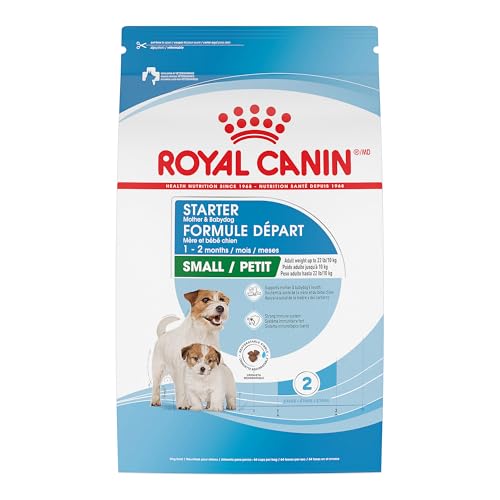
If you’re feeding a small breed pregnant dog or one preparing to nurse her puppies, Royal Canin Small Dog Starter Food is an ideal choice. It’s formulated for nursing mothers and weaning puppies up to two months old. The food supports the mother’s high energy needs during late gestation and lactation with dense caloric content. It eases the shift from milk to solids, thanks to rehydratable kibble that forms a porridge-like consistency when mixed with water. This boosts palatability and acceptance. It contains clinically proven antioxidants-vitamins E and C-to support immune development. Prebiotics and highly digestible proteins maintain intestinal balance, digestive health, and peak stool quality.
Best For: Small breed pregnant or nursing dogs and their weaning puppies up to two months old.
Pros:
- Supports high energy demands of pregnant and lactating mothers with nutrient-dense formulation
- Rehydratable kibble eases the transition from milk to solid food for puppies
- Contains proven antioxidants and prebiotics to support immune and digestive health
Cons:
- Specifically designed for small breeds, limiting use for medium or large breeds
- Higher price point compared to some other puppy or maternal formulations
- Requires mixing with water for optimal use during weaning, adding prep time
Dog Prenatal Vitamins 120 Soft Chews

One supplement stands out for breeders and pet owners committed to optimizing canine maternal and puppy health: Dog Prenatal Vitamins 120 Soft Chews. I recommend this supplement for pregnant, nursing, and postpartum females. It supports fetal development, lactation, and recovery. Each soft chew delivers folic acid, zinc, B-complex vitamins, DHA, EPA, and probiotics. These nutrients promote healthy bone growth, vision, skin, and coat in puppies. They also aid colostrum production and maintain calcium-iron balance. Formulated by a veterinarian, it’s made in FDA-registered U.S. facilities. Human-grade ingredients guarantee safety. Chicken-flavored chews mix easily with food. Suitable for all breeds.
Best For: Breeding females and pet owners seeking targeted nutritional support during pregnancy, nursing, and postpartum recovery, as well as early developmental support for puppies post-weaning.
Pros:
- Formulated by a veterinarian and made with human-grade ingredients in FDA-registered U.S. facilities for high safety and quality standards
- Contains essential nutrients like folic acid, DHA, EPA, B-complex vitamins, zinc, and probiotics to support fetal development, colostrum production, and maternal health
- Palatable chicken-flavored soft chews easily mix with food and are suitable for dogs of all breeds and sizes
Cons:
- May not be necessary for non-breeding or male dogs, limiting its use to specific life stages
- Contains ingredients sourced globally, which some consumers may prefer to avoid
- Soft chews could be difficult to store long-term in hot or humid environments without degradation
Blue Buffalo Small Breed Puppy Food (4-lb)

Blue Buffalo Small Breed Puppy Food (4-lb) is best suited for expectant or nursing small-breed dogs requiring a nutrient-dense diet to support both maternal health and fetal development. I rely on real chicken as the first ingredient to deliver high-quality protein. The formula provides 28% crude protein to meet increased metabolic demands during gestation. DHA from fish meal supports fetal brain and vision development. I include LifeSource Bits-precision-formed kibbles with antioxidants, vitamins, and minerals-to promote immune health. There’s no chicken by-product meal, corn, wheat, or soy. Each 4-lb bag contains naturally preserved dry kibble with consistent nutrient profiles.
Best For: Small breed puppies and expectant or nursing mothers needing a nutrient-rich diet to support growth, development, and maternal health.
Pros:
- Real chicken is the first ingredient, providing high-quality protein for energy and muscle development
- Contains DHA and LifeSource Bits to support brain development and immune system health
- Free from chicken by-product meals, corn, wheat, and soy, emphasizing natural, wholesome ingredients
Cons:
- Limited to a 4-lb bag size, which may require frequent repurchasing for larger households or multi-pet homes
- Higher price point compared to some other puppy formulas on the market
- Some dogs may be sensitive to oatmeal, a primary carbohydrate source in the recipe
Blue Buffalo Puppy Dry Dog Food (5-lb)
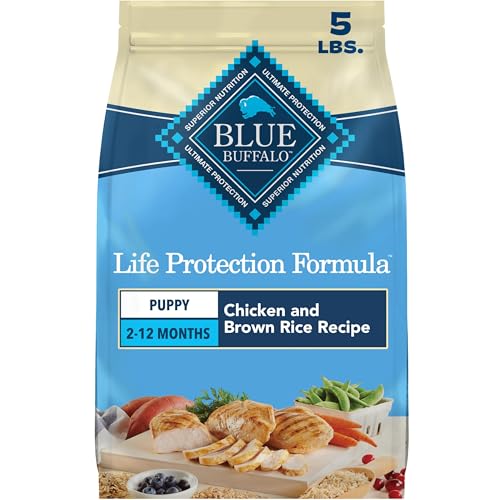
This puppy formula stands as a top-tier choice for expectant and nursing dogs needing nutrient-dense, high-protein support during critical reproductive stages. I rely on real, high-quality chicken as the first ingredient-no chicken by-product meals, corn, wheat, or soy. The food includes DHA and ARA, essential fatty acids from mother’s milk, to support brain and retinal development in puppies. LifeSource Bits deliver a precise blend of antioxidants, vitamins, and minerals for immune health and oxidative balance. Each 5-pound trial bag contains the Chicken and Brown Rice recipe, with consistent nutritional content despite slight packaging variations. I recommend it for breeders and vets prioritizing developmental nutrition.
Best For: Breeders and veterinarians seeking a nutrient-dense, high-protein dry puppy food to support brain development and immune health in growing puppies and nursing or expectant dogs.
Pros:
- Real, high-quality chicken is the first ingredient, with no chicken by-product meals, corn, wheat, or soy
- Contains DHA and ARA to support cognitive and retinal development in puppies
- Features LifeSource Bits with antioxidants, vitamins, and minerals for immune and oxidative health
Cons:
- Limited to a 5-pound trial size, which may not suit large breeders or multi-puppy households
- Slight packaging variations may cause confusion despite consistent content
- Higher price point due to premium natural ingredients and formulation
HAPPY JACK Milkade Dog Nursing Supplement (2 oz)

If you’re managing a breeding program and need reliable support for lactation, HAPPY JACK Milkade Dog Nursing Supplement (2 oz) is ideal for ensuring strong milk production in pregnant and nursing dogs. It boosts clean, healthy milk output post-whelping and neutralizes milk acidity, improving newborn pup health. I administer it 4–5 days before birth and continue for 10 days after. Each 2 oz bottle mixes with one pint of water and feeds an entire litter. It contains Vitamin B1, acts as a prenatal supplement, and prevents pup loss linked to low milk supply. It also counters neuritis from dietary gaps, supporting maternal nerve function. Developed since 1946 and made in the USA, it’s trusted by breeders for over 70 years.
Best For: Professional breeders and dog owners seeking reliable lactation support for pregnant and nursing dogs to ensure healthy milk production and newborn pup well-being.
Pros:
- Supports increased, clean milk production and neutralizes milk acidity for healthier puppies
- Contains Vitamin B1 and helps prevent neuritis and pup loss during critical post-birth periods
- Trusted formula developed since 1946, made in the USA, and widely used by breeders for over 70 years
Cons:
- Limited to short-term use (only 4–5 days before and 10 days after whelping)
- Requires mixing with water and precise handling to maintain freshness
- May not address lactation issues caused by underlying medical conditions beyond nutritional support
Royal Canin Starter Mousse Dog Food (24-Pack)

When nourishing a pregnant or lactating dog, Royal Canin Starter Mousse Dog Food delivers targeted support where it matters most-during the critical phases of gestation, nursing, and early puppy development. I rely on its high energy density to meet up to 2x the caloric needs of adult dogs. It contains highly digestible proteins and prebiotics to stabilize intestinal flora and firm stools. Vitamins E and C provide antioxidant support, proven to strengthen puppies’ developing immune systems. The soft mousse texture eases the weaning process, helping pups shift from milk to solids. Each 5.1 oz can is part of a 24-can pack, designed specifically for the Starter Mother & Babydog line.
Best For: Pregnant or lactating dogs and puppies up to 2 months old requiring high-energy, easily digestible nutrition during critical developmental stages.
Pros:
- Supports maternal health and puppy growth with high energy density and essential nutrients
- Promotes digestive health through highly digestible proteins and prebiotics
- Aids immune system development with clinically proven antioxidants like vitamins E and C
Cons:
- Limited to early life stages, not suitable for long-term or adult dog feeding
- Canned format may be less convenient or more expensive than dry food options
- Some dogs may be sensitive to specific ingredients despite high digestibility
Blue Buffalo Small Breed Puppy Food (5-lb)

For breeders and owners prioritizing brain development in neonatal puppies, Blue Buffalo Life Protection Formula Small Breed Puppy Dry Dog Food stands out as a top-tier choice. I recommend it because real chicken is the first ingredient, ensuring high-quality protein for growth. It contains DHA, which supports cognitive development in puppies. The formula includes no corn, wheat, soy, or poultry by-product meals. LifeSource Bits provide antioxidant-rich nutrients, supporting immune health. I’ve found this 5-lb trial bag ideal for testing palatability and digestion. Each bite delivers balanced energy for small, active breeds. Packaging may vary slightly but maintains ingredient accuracy. I rely on its consistent formulation for early development stages.
Best For: Small breed puppy owners and breeders seeking a high-quality, DHA-rich diet to support cognitive development and overall growth.
Pros:
- Real chicken is the first ingredient, providing high-quality protein for healthy development
- Contains DHA and LifeSource Bits to support brain development and immune health
- Free from corn, wheat, soy, and poultry by-product meals for cleaner nutrition
Cons:
- 5-lb bag size may be too small for larger litters or frequent use
- Packaging variations might cause confusion about product appearance
- Premium price point compared to conventional puppy foods
Breeder’s Edge Oxy Momma Soft Chews (40ct)

One supplement stands out for breeders seeking targeted postnatal support in medium to large lactating dogs: Breeder’s Edge Oxy Momma Soft Chews (40ct). I rely on this formula to support hormone balance, recovery, and future gestation. It contains fenugreek and milk thistle, which stimulate milk production naturally. Antioxidants and herbal compounds aid uterine healing post-whelping. The chews help regulate progesterone and estrogen, improving readiness for future breeding cycles. Each soft chew delivers key vitamins, including B-complex and E, plus zinc and selenium. These support immune function and energy. Forty chews per bottle offer precise dosing twice daily. I find it safe for both dogs and cats.
Best For: Breeders of medium to large lactating dogs and cats seeking targeted postnatal support for recovery, milk production, and future fertility.
Pros:
- Contains natural ingredients like fenugreek and milk thistle to enhance milk production
- Supports uterine healing, hormonal balance, and future breeding readiness
- Fortified with essential vitamins and minerals to boost immunity and energy in nursing pets
Cons:
- Limited to 40 chews per bottle, requiring frequent reordering for larger litters or extended use
- May not be palatable to all pets, as individual taste preferences vary
- Focused on postnatal support, so not suitable for general or preventative use outside of lactation
Dog Prenatal Vitamins for Pregnant & Nursing Dogs

Pregnant Dog Food Recommendations is the best choice for breeders and pet owners committed to optimizing canine reproductive health through science-backed nutritional support. I rely on PREGNAPAWS prenatal vitamins because they deliver targeted nutrition for pregnancy, nursing, and recovery. These soft chews contain folic acid, calcium, and iron-critical for fetal brain development and strong bones. They also support lactation and maternal energy levels. The formula works for all breeds and sizes, making it ideal for any breeder. Plus, the palatable soft chew format guarantees consistent daily intake without the hassle of pills or powders.
Best For: Breeders and pet owners seeking science-backed prenatal and postnatal nutritional support for pregnant and nursing dogs of all breeds and sizes.
Pros:
- Provides essential nutrients like folic acid, calcium, and iron to support fetal development, maternal health, and lactation
- Palatable soft chew format ensures easy, consistent daily administration without the struggle of pills or powders
- Formulated for all stages of reproduction-fertility, pregnancy, whelping recovery, and nursing-making it a comprehensive solution
Cons:
- May not be necessary for dogs on already balanced, vet-approved diets, potentially leading to over-supplementation
- Soft chews could be less shelf-stable compared to tablets or powders, especially in warm or humid environments
- Limited flavor variety may affect acceptance in picky eaters despite overall palatability claims
VICTOR Super Premium Dog Food 5lbs

This dog food powers through pregnancy and lactation with a high-protein, multi-meat formula built for demanding life stages. I rely on its 38% protein from chicken, fish, and beef meals to support fetal development and milk production. It’s gluten-free and low in carbohydrates, using only gluten-free grains for steady energy without spikes. The VPRO Blend adds species-specific probiotics, prebiotics, vitamins, and minerals to strengthen immunity and digestion. I trust its nutrient density to meet AAFCO standards for all life stages, including growth. Made in Texas, every batch uses ingredients sourced within a day’s drive of the facility, ensuring freshness and traceability. I recommend it for active, pregnant, or nursing dogs of any breed size.
Best For: Active, pregnant, or nursing dogs of any breed size requiring high-protein, nutrient-dense nutrition for optimal health and development.
Pros:
- High 38% protein content from chicken, fish, and beef meals supports muscle maintenance, fetal development, and milk production
- Contains the proprietary VPRO Blend with probiotics, prebiotics, and essential nutrients to enhance digestion and immune function
- Made in the USA with traceable, locally sourced ingredients in a company-owned Texas facility, ensuring quality and freshness
Cons:
- Higher protein and fat levels may not suit dogs with certain medical conditions requiring restricted diets
- Contains multiple meat meals which could trigger allergies in dogs sensitive to poultry, fish, or beef
- Limited availability outside the U.S. due to regional sourcing and production constraints
Factors to Consider When Choosing Pregnant Dog Food
You need to prioritize your pregnant dog’s nutritional needs during gestation, as her body requires increased protein-around 22–28% on a dry matter basis-and higher levels of fat for fetal development. Support for lactation health is critical, so choose a food with boosted calories and calcium, ideally 1.2–1.8% calcium on a dry matter basis, to prepare for milk production. Balanced energy requirements, digestive support from fiber sources like beet pulp or prebiotics, and immune system enhancement through antioxidants like vitamin E and beta-carotene guarantee she stays strong and nourished throughout pregnancy and nursing.
Nutritional Needs During Gestation
A developing litter places increasing demands on a dog’s body, making proper nutrition during gestation essential for both mother and puppies. You’ll need to increase her calorie intake by up to 50% in late pregnancy to fuel fetal growth and maintain her condition. Prioritize a diet with 22–25% high-quality protein on a dry matter basis to support developing fetal tissues and organ formation. DHA, an essential omega-3 fatty acid, must be included for proper brain and vision development in puppies-look for marine oil sources. Folic acid is critical early on; adequate levels reduce the risk of neural tube defects. Calcium and phosphorus should be balanced, ideally in a 1.2:1 ratio, to support fetal skeletal development and prevent maternal hypocalcemia. Avoid over-supplementing calcium, as it can disrupt this balance and lead to complications. Choose a vet-recommended, gestation-specific formula to meet these precise needs.
Support For Lactation Health
Since milk production places extreme metabolic demands on a nursing dog, her nutritional intake must match this heightened physiological output. You’ll need a food delivering 2–4 times the energy of a typical adult diet to sustain milk synthesis and maternal health. Choose formulas with highly digestible proteins-like real meat or egg-as they enhance nutrient absorption critical for milk volume and quality. DHA, an omega-3 fatty acid, should be included; it passes into milk and supports neurological development in puppies. Make certain the food contains balanced calcium and phosphorus levels to prevent hypocalcemia and protect maternal bone density. Moderate prebiotics and fermentable fibers, such as FOS or beet pulp, promote a healthy gut microbiome. This boosts digestive efficiency and increases nutrient availability for milk production. Prioritize foods clinically proven to support lactation-look for AAFCO statements confirming adequacy for “growth and lactation.”
Balanced Energy Requirements
As her body shifts into high gear to support growing fetuses, your pregnant dog’s energy needs rise sharply-by up to 50% over maintenance levels by the final trimester. You must provide a diet delivering sufficient calories to sustain fetal development and maternal health. Inadequate intake risks low birth weight, smaller litters, and weak puppies. Choose food dense in energy and nutrients to meet escalating demands. Protein should be at least 22% on a dry matter basis to fuel tissue growth. Energy needs peak at 3–4 weeks post-whelping, when milk production hits maximum output. A high-calorie, nutrient-rich formula prevents maternal weight loss during late gestation and early lactation. Feed frequent, measured meals to maintain steady energy flow. Avoid calorie deficits-they compromise both mother and pups. Prioritize foods with proven digestibility and consistent nutrient profiles. Your dog relies on you to match her intake to her metabolic demands.
Digestive Support Considerations
Many pregnant dogs experience digestive challenges, making it essential to choose a food that supports gut health without compromising nutrient delivery. You need highly digestible proteins-like egg or lamb meal-with digestibility scores above 90% to reduce gastrointestinal strain. Prebiotics such as chicory root or FOS fuel beneficial gut bacteria, improving stool quality and stabilizing digestion. Pick formulas with moderate fat-around 18–22%-and balanced fiber at 2–4% to maintain gut motility without excess weight gain. Antioxidants like vitamins E (50 IU/kg) and C (100 mg/kg) lower oxidative stress, aiding digestive tract integrity. Opt for rehydratable or soft-textured foods; their high moisture content eases swallowing and boosts palatability when appetite drops. These features work together to guarantee consistent nutrient intake and smooth digestion throughout gestation.
Immune System Enhancement
Supporting your pregnant dog’s immune system directly impacts the health and resilience of her developing puppies. Choose foods with proven antioxidants-like 500 IU/kg vitamin E and 750 mg/kg vitamin C-to boost cellular defense during gestation. DHA, at minimum 0.1% of fatty acids, enhances both cognitive development and immune response in fetuses. Guarantee the formula includes 1.2 mg/kg folic acid and balanced B-vitamins to sustain DNA synthesis and immune cell production. Look for prebiotics such as FOS or MOS, which promote beneficial gut flora and improve nutrient absorption critical for immunity. Highly digestible proteins (≥90% digestibility) reduce gut stress and support antibody production. Opt for zinc levels between 120–180 mg/kg, ideally as zinc proteinate, to strengthen skin and mucosal barriers. These components work synergistically, functioning like a well-coordinated defense network, guaranteeing both mother and puppies maintain robust immune function through birth and beyond.
Frequently Asked Questions
Can I Feed Puppy Food to My Pregnant Dog?
Yes, you can feed puppy food to your pregnant dog. It supports higher energy and nutrient demands. Puppy food contains 22–28% protein and 8–10% fat, meeting increased metabolic needs. It’s rich in DHA for fetal brain development. Caloric density ranges from 450–550 kcal/cup, aiding healthy weight gain. Always choose a brand with AAFCO certification for growth stages. Shift gradually over 7 days to avoid GI upset. Consult your vet to confirm appropriateness for your dog’s health.
How Often Should I Feed a Pregnant Dog?
Feed your pregnant dog three to four times daily during the last three weeks of gestation. You increase meal frequency to meet her rising caloric needs without expanding stomach capacity. Each meal should provide complete and balanced nutrition, supporting fetal development. Use high-quality, energy-dense food with 22–32% protein and 10–20% fat on a dry matter basis. Monitor weight weekly to adjust portions and prevent excessive gain.
Should I Change Food After My Dog Gives Birth?
Yes, you should switch your dog’s food after she gives birth. Postpartum dogs need considerably more calories and nutrients to support lactation. Shift to a high-quality puppy food with at least 30% protein and 20% fat. These formulations support milk production and meet increased energy demands. Gradually introduce the new food over 7 days to avoid gastrointestinal upset. Monitor her condition closely and adjust portions based on litter size and body condition.
Is Wet or Dry Food Better for Pregnant Dogs?
Wet food is often better for pregnant dogs. It delivers higher moisture content, aiding hydration and digestion during gestation. Dry food offers convenience and dental benefits but may be less palatable. You need increased caloric density-wet formulas typically provide 1,000+ kcal/kg metabolizable energy. Choose a food with 22–32% crude protein and 8–15% fat. Always shift gradually and consult your vet to match your dog’s specific metabolic needs.
Can I Mix Supplements With Commercial Pregnant Dog Food?
Yes, you can mix supplements with commercial pregnant dog food, but only if directed by a veterinarian. Most high-quality gestation diets are already fortified with necessary nutrients like DHA, folic acid, and calcium. Adding supplements unnecessarily may cause imbalances, such as excessive calcium leading to skeletal issues in puppies. Always assess the nutrient profile of the base food first. Use vet-approved prenatal supplements at precisely measured dosages to avoid toxicity or deficiencies.