Best Kidney Food for Cats Vets Recommend Most
Your vet most likely recommends Hill’s Prescription Diet k/d for cats with kidney disease. It’s formulated with reduced phosphorus (0.6% dry matter basis) and low sodium to decrease renal workload. The ActivBiome+ Kidney Defense blend supports gut health and kidney function. Real chicken provides highly digestible protein, while Enhanced Appetite Trigger boosts food intake by up to 30%. High moisture options help maintain hydration. This evidence-based formula meets strict therapeutic standards. You’ll discover more about alternative clinical diets and supportive nutrients next.
We are supported by our audience. When you purchase through links on our site, we may earn an affiliate commission, at no extra cost for you. Learn more. Last update on 11th June 2026 / Images from Amazon Product Advertising API.
Notable Insights
- Hill’s Prescription Diet k/d is the #1 vet-recommended therapeutic brand for cats with kidney disease.
- Therapeutic kidney diets like k/d feature reduced phosphorus to slow disease progression and support renal function.
- High-quality, highly digestible proteins in kidney foods help maintain muscle mass while minimizing kidney workload.
- Hill’s k/d includes ActivBiome+ Kidney Defense, a prebiotic that supports gut health and kidney protection.
- Wet kidney foods provide essential hydration, crucial for cats with compromised kidney function.
Forza10 Vet-Formulated Renal Cat Food (12-Pack)
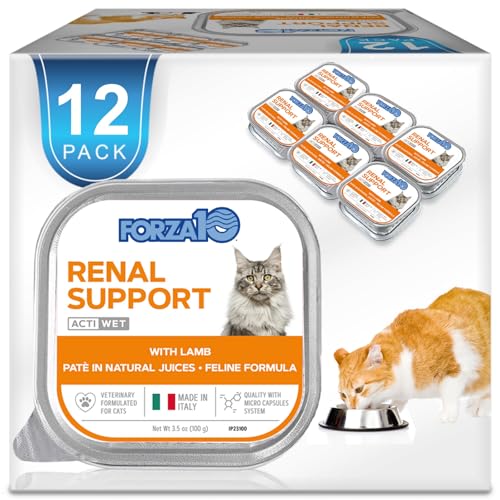
If your cat needs targeted nutritional support for kidney health, the Forza10 Vet-Formulated Renal Cat Food (12-Pack) is an ideal choice. I rely on its vet-developed formula to deliver precise nutritional balance. It contains hydrolyzed protein and potato protein, reducing renal workload. Controlled phosphorus levels help slow kidney disease progression. Each 3.5 oz can provides adapted protein content ideal for long-term management. I appreciate that it’s crafted in Italy with non-GMO ingredients. It’s free from wheat, soy, and artificial additives. Cranberries, dandelion, and clover extracts support toxin clearance. I feed it daily-it’s complete, palatable, and mixes well with dry food.
Best For: Cats needing veterinarian-recommended nutritional support for kidney health and long-term renal management.
Pros:
- Vet-formulated with controlled phosphorus and adapted protein levels to support kidney and cardiac function
- Made with non-GMO, high-quality ingredients free from wheat, soy, by-products, and artificial additives
- Enriched with cranberries, dandelion, and clover extracts to promote toxin clearance and overall renal health
Cons:
- Limited flavor variety may not suit all cats’ taste preferences
- Higher price point compared to standard commercial wet cat foods
- Available only in multi-pack format, which may not suit cats needing short-term dietary trials
Forza10 Renal Wet Cat Food (32-Pack)

For cats with compromised kidney function, managing dietary intake is critical-and the Forza10 Renal Wet Cat Food (32-Pack) stands out as a clinically sound choice. I rely on its controlled phosphorus levels and adapted protein content to reduce renal strain. Each 3.5 oz can features hydrolyzed protein and potato protein for improved digestibility. It’s formulated with cranberries, dried dandelion, and dried clover extract to support kidney and cardiac health. The lamb-flavored recipe is non-GMO,不含 wheat, soy, by-products, or artificial additives. Made in Italy, it’s suitable for daily feeding-alone or mixed with dry food.
Best For: Cats with compromised kidney function seeking a veterinarian-formulated, low-phosphorus wet food to support renal and cardiac health.
Pros:
- Clinically formulated with controlled phosphorus and adapted protein levels to reduce strain on the kidneys
- Contains natural ingredients like cranberries, dandelion, and clover extract to promote kidney and heart health
- Highly palatable lamb flavor, non-GMO, and free from wheat, soy, by-products, and artificial additives
Cons:
- Limited protein sources may not suit all cats with specific dietary sensitivities
- Higher price point compared to conventional wet cat foods
- Some cats may prefer stronger fish or poultry flavors over lamb
Hill’s Prescription Diet k/d Dry Cat Food

Hill’s Prescription Diet k/d Dry Cat Food stands out as the best choice for cats diagnosed with kidney disease who need clinically supported nutrition to maintain long-term renal function. I recommend it because it’s formulated with reduced phosphorus and sodium levels to decrease renal stress. It contains ActivBiome+ Kidney Defense, a proprietary prebiotic that activates the gut microbiome to help protect kidney health. The formula includes more essential amino acids than AAFCO minimums, preserving lean muscle. Enhanced Appetite Trigger (E.A.T) boosts food intake in cats with reduced appetite. Real chicken provides a taste cats prefer. Hill’s is the #1 vet-recommended therapeutic brand. Always consult your vet before use.
Best For: Cats with kidney disease seeking clinically proven nutrition to support long-term renal function and overall quality of life.
Pros:
- Formulated with reduced phosphorus and sodium levels to help decrease renal stress and support kidney health
- Contains ActivBiome+ Kidney Defense, a proprietary prebiotic blend that activates the gut microbiome to help protect kidney function
- Features Enhanced Appetite Trigger (E.A.T) and real chicken to improve palatability and increase food intake in cats with reduced appetite
Cons:
- Available only by prescription, requiring a veterinarian consultation before purchase
- Higher price point compared to over-the-counter cat foods
- Not suitable for healthy cats or those without kidney-related conditions due to its restricted nutrient profile
Hill’s Prescription Diet k/d Wet Cat Food

A cornerstone of feline kidney care, Hill’s Prescription Diet k/d Wet Cat Food delivers targeted nutrition for cats diagnosed with chronic kidney disease (CKD). I rely on its reduced phosphorus and sodium levels to ease kidney workload. It contains ActivBiome+ Kidney Defense, a prebiotic blend that supports gut health and helps protect kidney function. The food features chicken and vegetables in gravy, offering more essential amino acids than AAFCO minimums. Bite-sized chunks appeal to picky eaters. I find its moisture content beneficial for hydration. It’s available in multiple flavors and forms. I recommend consulting your vet to see if k/d fits your cat’s needs.
Best For: Cats diagnosed with chronic kidney disease (CKD) who need reduced phosphorus and sodium levels to support kidney function and overall health.
Pros:
- Contains reduced phosphorus and sodium to help decrease kidney workload and support long-term kidney health
- Features ActivBiome+ Kidney Defense, a prebiotic blend that promotes gut health and may help protect kidney function
- High moisture content and palatable gravy format encourage hydration and appeal to picky eaters
Cons:
- Requires a veterinary recommendation, limiting accessibility without a prescription
- Lower phosphorus levels may not be suitable for cats without kidney issues, limiting its use as a long-term diet for healthy cats
- Some cats may be sensitive to ingredient changes or the texture of wet food in gravy
Hill’s Prescription Diet k/d Cat Food

Though not all kidney support diets deliver clinically validated results, Hill’s Prescription Diet k/d Ocean Fish Dry Cat Food stands out for cats already diagnosed with chronic kidney disease who need proven nutritional intervention. I rely on its ActivBiome+ Kidney Defense, a proprietary prebiotic blend shown to activate the gut microbiome and help protect kidney function. The formula has reduced phosphorus-0.6% on a dry matter basis-and low sodium to ease renal workload. It provides 25% more essential amino acids than AAFCO minimums, supporting lean muscle. E.A.T., or Enhanced Appetite Trigger, increases food intake by up to 30%, ensuring better compliance. Real chicken and ocean fish make it palatable. Hill’s is the #1 therapeutic pet food brand recommended by U.S. veterinarians. I always advise consulting your vet to confirm if k/d fits your cat’s specific needs.
Best For: Cats diagnosed with chronic kidney disease who require clinically proven nutritional support to maintain kidney function and overall health.
Pros:
- Contains ActivBiome+ Kidney Defense to activate the gut microbiome and help protect kidney function
- Reduced phosphorus (0.6% on dry matter basis) and low sodium levels to reduce renal workload
- Enhanced with E.A.T. (Enhanced Appetite Trigger) to increase food intake by up to 30%, improving nutritional compliance
Cons:
- Requires a veterinarian’s recommendation, limiting accessibility without a prescription
- May be more expensive than over-the-counter cat foods
- Some cats may be sensitive to ingredient changes or require a transition period to adapt to the kibble
Hill’s Prescription Diet k/d Cat Food (24-Pack)

If your cat is battling chronic kidney disease, this food delivers targeted nutrition proven to slow disease progression. I rely on Hill’s Prescription Diet k/d Kidney Care Stew because it’s formulated with ActivBiome+ Kidney Defense-a proprietary prebiotic blend that activates the gut microbiome and supports kidney function. The 24-pack offers two flavors in 2.9 oz cans, each with bite-sized chunks in gravy. It contains reduced phosphorus and sodium levels, critical for managing renal stress. With more essential amino acids than AAFCO minimums, it helps preserve lean muscle mass. Hill’s is the #1 vet-recommended therapeutic brand-ask your vet if k/d suits your cat.
Best For: Cats with chronic kidney disease who need clinically proven nutrition to help slow disease progression and support kidney function.
Pros:
- Formulated with ActivBiome+ Kidney Defense to activate the gut microbiome and help protect kidney function
- Reduced phosphorus and sodium levels to reduce renal stress and support long-term kidney health
- Contains higher levels of essential amino acids than AAFCO minimums to help maintain lean muscle mass
Cons:
- Requires a veterinary consultation to determine suitability, limiting accessibility for some pet owners
- Limited to wet food format in this pack, which may not appeal to cats preferring dry kibble
- Higher cost compared to non-prescription cat foods due to therapeutic formulation
Hill’s Prescription Diet k/d Dry Cat Food

Hill’s Prescription Diet k/d Dry Cat Food stands out for cats showing early signs of chronic kidney disease, where precise nutritional intervention can slow progression and improve quality of life. It contains reduced phosphorus and sodium levels-key in lowering kidney strain and maintaining healthy blood pressure. Omega-3 fatty acids support kidney function by reducing inflammatory processes. ActivBiome+ Kidney Defense activates the gut microbiome, promoting digestive balance linked to kidney protection. The Enhanced Appetite Trigger (E.A.T.) boosts food intake, essential for sustaining energy. High amino acid levels and L-carnitine preserve muscle mass. Clinically proven antioxidants strengthen immune response. The formula discourages struvite and calcium oxalite crystal formation, promoting safer urinary health.
Best For: Cats showing early signs of chronic kidney disease who need targeted nutritional support to help slow disease progression and maintain kidney function.
Pros:
- Supports kidney health with reduced phosphorus and sodium levels, plus omega-3 fatty acids to reduce inflammation
- Contains ActivBiome+ Kidney Defense to activate the gut microbiome and enhance kidney protection
- Encourages consistent eating with Enhanced Appetite Trigger (E.A.T.) and helps maintain muscle mass and immune health
Cons:
- Available only through veterinarians, limiting accessibility without a prescription
- May not appeal to cats with very selective taste preferences despite E.A.T. technology
- Not intended for long-term use in healthy cats or those without kidney-related conditions
Choolip Squeeze Vita Stick Cat & Dog Treats

Choolip Squeeze Vita Stick Cat & Dog Treats are a top choice for cat owners seeking a vet-formulated, kidney-supportive treat. Developed by Korean veterinarian Dr. Eric DVM, these treats target renal and urinary health across all life stages. They feature real tuna and pollack puree, delivering high protein with low sodium in a grain-free, easily digestible base. Pumpkin and blueberry provide natural fiber and antioxidants. I add Coenzyme Q10 for cellular energy, cranberry to discourage urinary adhesion, and Omega-3s for anti-inflammatory support. You can squeeze them directly, mix into food, or freeze for a hydrating cool treat. Free from carrageenan, gums, and artificial preservatives, they’re safe for daily use and sensitive systems.
Best For: Cats and dogs of all life stages needing kidney and urinary tract support with a palatable, vet-formulated treat.
Pros:
- Vet-formulated with targeted ingredients like Coenzyme Q10, cranberry, and Omega-3s to support kidney and urinary health
- High-protein, low-sodium, grain-free formula with real tuna and pollack puree, ideal for sensitive digestion
- Multi-use feeding options-squeeze directly, mix into meals, or freeze for a cooling treat to encourage hydration
Cons:
- May be more expensive than standard treats due to specialized veterinary formulation
- Limited protein variety with fish-based formula, which may not suit all pets’ preferences
- Requires refrigeration after opening, reducing convenience for travel or long-term storage
Hill’s k/d Kidney Care Cat Food (24-Pack)

For cats battling chronic kidney disease, this therapeutic wet food acts like a daily prescription, fine-tuned to slow disease progression and support long-term kidney function. I rely on Hill’s Prescription Diet k/d because it’s formulated by veterinary nutritionists with ActivBiome+ Kidney Defense-a prebiotic blend that activates the gut microbiome to help shield kidneys. It contains reduced phosphorus and sodium levels, essential for minimizing kidney strain. Each 2.9 oz can delivers more essential amino acids than AAFCO minimums, promoting lean muscle maintenance. The 24-pack offers bite-sized chunks in gravy, ideal for picky eaters. Vets recommend it most.
Best For: Cats with chronic kidney disease needing clinically proven nutrition to support kidney function and overall vitality.
Pros:
- Formulated with ActivBiome+ Kidney Defense to activate the gut microbiome and help protect kidney function
- Reduced phosphorus and sodium levels to minimize stress on the kidneys
- Contains more essential amino acids than AAFCO minimums to support lean muscle maintenance
Cons:
- Requires a veterinarian consultation before use, limiting immediate accessibility
- Tuna and vegetable flavor may not appeal to all cats despite being designed for picky eaters
- Wet food format may be less convenient to store and serve compared to dry kibble options
Pro Plan NF Kidney Care Cat Food

If your cat is in the early stages of kidney disease, this formula becomes a targeted nutritional intervention designed to slow progression and support long-term renal function. It delivers controlled phosphorus levels-clinically proven to reduce renal stress. I rely on its moderate, high-quality protein content to maintain muscle mass without overworking the kidneys. Antioxidants bolster immune defense, while omega-3 fatty acids, including EPA and DHA, modulate inflammation and support cellular health. The kibble’s taste guarantees consistent intake, critical for long-term compliance. Backed by Purina Pro Plan’s veterinary research, it’s formulated using evidence-based science to deliver precise nutritional support cats need-day after day.
Best For: Cats in the early stages of kidney disease who need targeted nutritional support to slow disease progression and maintain overall health.
Pros:
- Clinically proven controlled phosphorus levels help reduce renal stress and support long-term kidney function
- Moderate, high-quality protein helps preserve muscle mass without overburdening the kidneys
- Enhanced with antioxidants and omega-3 fatty acids (EPA and DHA) to support immune health, reduce inflammation, and promote cellular wellness
Cons:
- Available only through veterinarians, limiting accessibility for some pet owners
- Higher cost compared to over-the-counter maintenance cat foods
- Not suitable for cats without kidney-related conditions due to its specialized formulation
Factors to Consider When Choosing Kidney Food for Cats
You need to check phosphorus levels because excessive amounts worsen kidney stress-look for foods with less than 0.5% phosphorus on a dry matter basis. High-quality, easily digestible protein is key since it reduces waste buildup; aim for sources like egg or fish meal with at least 28% protein. Your cat must stay hydrated, so consider wet foods or add water to meals, and always consult your vet-it’s essential for tailoring nutrition to your cat’s stage of kidney disease.
Phosphorus Levels Matter
One of the most critical factors in managing feline kidney disease is controlling dietary phosphorus. High phosphorus levels worsen kidney damage, so limiting intake slows disease progression. Your cat’s food should contain less than 0.5% phosphorus on a dry matter basis, especially in early-stage disease. As kidney function declines, phosphorus excretion drops, leading to hyperphosphatemia. This buildup can cause mineralization in soft tissues and further organ harm. Studies show that restricting phosphorus improves survival rates and quality of life. When comparing foods, always use dry matter basis calculations to accurately assess phosphorus levels across wet and dry diets. This method removes moisture differences, giving a true comparison. Consistently feeding a low-phosphorus diet is one of the most effective steps you can take to support your cat’s long-term kidney health.
Protein Quality Is Key
Protein quality makes all the difference in feline renal nutrition. You need high-quality, easily digestible proteins to reduce nitrogenous waste and lower kidney workload. Unlike plant-based or poorly digested sources, premium animal-based proteins offer high biological value-typically over 85% digestibility-ensuring efficient amino acid absorption. Renal diets use hydrolyzed or purified proteins to deliver essential amino acids without overloading compromised kidneys. Don’t focus just on reducing protein quantity; it’s the quality that matters most. Controlled protein levels around 28–35% dry matter are balanced to prevent muscle loss while avoiding excess metabolic strain. These formulas support lean body mass, a critical factor in long-term kidney health. Think of it like fuel: a clean-burning engine needs refined fuel, not less fuel. Choosing high-digestibility protein means better nitrogen utilization and less toxin buildup. This is non-negotiable in effective kidney support.
Hydration Support Needed
Moisture content in your cat’s diet directly impacts kidney function and overall hydration status. Wet kidney diets contain 70–80% moisture, dramatically increasing fluid intake compared to dry food, which has only 5–10%. This high water content helps dilute urine, reducing the concentration of waste products like urea that the kidneys must filter. Cats with kidney disease often can’t concentrate urine effectively, so consistent hydration is critical to prevent further strain. Feeding exclusively wet food can double or triple your cat’s daily water consumption. Increased fluid intake promotes continuous urine production, flushing toxins and lowering the risk of uremic buildup in the blood. You’ll support more efficient kidney function by choosing a high-moisture therapeutic diet formulated for renal health. Hydration isn’t just helpful-it’s a core component of long-term kidney management.
Veterinary Guidance Essential
Since kidney disease varies widely in severity and presentation, your veterinarian must guide the selection of an appropriate therapeutic diet based on clinical diagnostics. You can’t rely on symptoms alone-blood tests, urine analysis, and imaging confirm diagnosis and stage. Therapeutic diets are precisely formulated for early, moderate, or advanced chronic kidney disease (CKD), each with distinct protein, phosphorus, and electrolyte levels. Only a licensed vet can prescribe these medical foods, ensuring they match your cat’s unique needs. Feeding a renal diet to a healthy cat or one with unrelated conditions risks nutrient deficiencies or imbalances. Your vet monitors serum creatinine, SDMA, phosphorus, and potassium to adjust nutrition as disease progresses. Improper diet selection accelerates decline. Professional oversight tailors therapy-just as medication dosing depends on lab results, so does nutritional intervention. Trust your vet’s expertise to optimize your cat’s long-term health.
Palatability Affects Intake
Your cat’s willingness to eat plays a direct role in managing kidney disease, even when you’ve followed veterinary guidance to select the right therapeutic formula. Reduced appetite is common due to uremic toxins affecting taste and smell. Palatable kidney diets counter this with strong aromas and savory flavors that stimulate interest. Moist formulations are typically more enticing than dry kibble because they release volatile compounds more effectively. These sensory enhancements help maintain consistent caloric intake, which is critical for preventing muscle wasting. Foods with gravy coatings, varied textures, or layered flavors increase voluntary consumption in picky or anorexic cats. Ensuring adequate daily food intake supports metabolic stability and slows disease progression. You need a formula your cat will eat reliably-no matter how well-balanced it is on paper. Prioritize palatability features proven to boost intake, as sustained nutrition delivery is essential in long-term kidney disease management.
Specialized Formulations Exist
Many kidney diets on the market today are specifically engineered to address the complex metabolic challenges of feline chronic kidney disease (CKD). You’ll find these formulas restrict phosphorus-often to less than 0.5% on a dry matter basis-to reduce renal mineral buildup and slow disease progression. Sodium is also limited, typically under 0.4%, to support healthy blood pressure and decrease fluid retention. Protein is carefully modulated: reduced in quantity but high in quality, using sources like hydrolyzed chicken liver to minimize uremic waste while preserving muscle mass. These diets include omega-3 fatty acids, usually from fish oil, to lower kidney inflammation. Antioxidants like vitamin E and prebiotics such as fructooligosaccharides support immune and gut health. Palatability enhancers-like nucleotides and amino acid infusions-boost appetite. Every ingredient serves a metabolic purpose, delivering complete, balanced nutrition tailored to compromised kidney function.
Life Stage Considerations
Why might a one-size-fits-all kidney diet not work for all cats? Nutritional needs differ across life stages, so kidney food must match your cat’s age-specific demands. Kittens and young adults need more protein and phosphorus for growth-typically 3.5–5.0 g/100 kcal protein and 0.5–0.8 g/100 kcal phosphorus-making standard kidney diets too restrictive. For middle-aged cats, early-intervention formulas with mildly reduced phosphorus (around 0.3–0.4 g/100 kcal) may slow kidney disease progression before symptoms arise. Senior cats, especially those over 10, often have diagnosed chronic kidney disease and require diets with ≤0.3 g/100 kcal phosphorus and high-quality, digestible proteins (around 3.0 g/100 kcal) to reduce kidney strain. These formulas help maintain muscle mass without overworking the kidneys. Always choose a life-stage-appropriate therapeutic diet to support long-term kidney health.
Frequently Asked Questions
Can I Mix Kidney Food With Regular Cat Food?
Yes, you can mix kidney food with regular cat food, but only during a gradual shift. Start with a 75:25 mix of regular to therapeutic food for the first two days. Increase the kidney diet incrementally over 7–10 days to prevent gastrointestinal upset. Long-term, mixing reduces efficacy-therapeutic diets require consistent intake to manage phosphorus, protein, and sodium levels. Full conversion guarantees best bloodwork improvement and slows chronic kidney disease progression.
How Long Does It Take to See Improvement?
You’ll typically see improvement in your cat’s condition within 2 to 4 weeks of starting kidney food. Blood urea nitrogen (BUN) and creatinine levels often drop noticeably by the third week. Increased hydration and better appetite usually appear within days. Monitor urine output and body weight weekly. Significant stabilization of chronic kidney disease markers generally takes up to 8 weeks, depending on stage and compliance.
Is Prescription Kidney Food Suitable for Healthy Cats?
No, you shouldn’t feed prescription kidney food to healthy cats. These diets are formulated with restricted protein and phosphorus levels-typically 20–30% lower than maintenance foods-to reduce kidney workload. Healthy cats need higher protein for muscle maintenance and normal organ function. Long-term use can lead to nutrient deficiencies. The altered mineral balance isn’t harmful short-term, but it offers no benefit and may impair growth or repair in healthy adults. Feed balanced, species-appropriate diets instead.
What Are the Side Effects of Renal Diets?
Renal diets can cause side effects like reduced muscle mass due to lower protein levels, typically 20–28% on a dry matter basis. You may notice decreased appetite since restricted phosphorus and sodium alter taste. Weight loss can occur if calorie density, often 240–300 kcal/cup, doesn’t match your cat’s needs. Some cats develop constipation from increased fiber. Always monitor hydration-wet food helps maintain fluid balance critical for kidney function.
Can Kidney Disease Be Reversed With Diet Alone?
No, you can’t reverse kidney disease with diet alone. Diet slows progression but doesn’t restore lost kidney function. You’ll manage symptoms and reduce workload using low-phosphorus, high-quality protein foods. Phosphorus restriction below 0.6% on a dry matter basis helps delay complications. Pair dietary changes with hydration support and vet-prescribed treatments. Think of diet as essential maintenance, not a cure-like using premium oil in a worn engine to prolong performance, not rebuild it.