Top-Rated Diabetic Dog Food Vets Recommend for Healthy Pups
Your vet likely recommends Hill’s Prescription Diet w/d Chicken for diabetic dogs-it’s formulated with 14% fiber (dry matter basis) to moderate glucose absorption and 11.5% protein to maintain lean muscle. This low-fat, high-fiber formula supports weight and urinary health. Available in 8.5 lb and 27.5 lb sizes, it requires a prescription. Therapeutic nutrients like L-carnitine aid fat metabolism. Not for puppies or pregnant dogs. You’ll find similar science-backed options with precise nutritional profiles just ahead.
We are supported by our audience. When you purchase through links on our site, we may earn an affiliate commission, at no extra cost for you. Learn more. Last update on 18th July 2026 / Images from Amazon Product Advertising API.
Notable Insights
- Hill’s Prescription Diet w/d is a top vet-recommended dog food for diabetes, supporting glucose control and weight management.
- Hill’s w/d requires a veterinary prescription and is formulated for adult dogs with diabetes, not for puppies or pregnant dogs.
- Ketona Chicken Dry Dog Food offers high protein and ultra-low carbs, promoting stable blood glucose without a prescription.
- Nature’s Recipe Grain Free provides a natural, over-the-counter option with salmon and sweet potatoes for diabetic dogs.
- Vets often recommend therapeutic diets like Hill’s w/d along with vet-approved treats for optimal diabetic dog care.
Hill’s Prescription Diet w/d Chicken (8.5 lb)

If your dog struggles with diabetes and needs reliable blood glucose management, Hill’s Prescription Diet w/d Chicken (8.5 lb) is an excellent choice. I rely on this formula because it’s designed by Hill’s nutritionists and veterinarians for dogs with multiple health concerns. It contains therapeutic levels of L-carnitine, which supports fat metabolism and helps maintain lean muscle mass. A superior blend of soluble and insoluble fiber promotes healthy digestion and aids weight management due to its low-calorie density. Controlled magnesium and sodium levels support urinary tract health. This is the #1 vet-recommended therapeutic dog food in the U.S. Always consult your vet to confirm w/d Multi-Benefit suits your dog’s specific needs.
Best For: Dogs with diabetes, weight management issues, or digestive and urinary health concerns seeking a vet-recommended, low-calorie therapeutic diet.
Pros:
- Formulated by Hill’s nutritionists and veterinarians to support multiple health conditions including glucose control, weight management, and urinary tract health
- Contains therapeutic levels of L-carnitine to aid fat metabolism and preserve lean muscle mass
- Balanced blend of soluble and insoluble fiber promotes healthy digestion and supports low-calorie weight management
Cons:
- Requires a veterinary consultation to purchase, limiting accessibility for some pet owners
- May not be palatable to dogs accustomed to high-fat or non-prescription diets
- Not intended for puppies, pregnant, or nursing dogs, limiting its use for certain life stages
Ketona Chicken Dry Dog Food (4.2lb)

Ketona Chicken Dry Dog Food (4.2lb) stands out as a top choice for diabetic dogs needing precise carbohydrate control without sacrificing protein quality. I rely on its under 6% total digestible carbohydrates, with only 5% starch and 0.5% sugars, to help stabilize blood glucose. It delivers over 46% high-quality protein from non-GMO, antibiotic-free chicken sourced from sustainable U.S. ranchers. Made in the USA by KetoNatural Pet Foods, this grain-free kibble mirrors raw diet nutrition. I recommend feeding twice daily, using an 8 oz. measuring cup, with portions ranging from 0.50 cup for 10 lbs dogs to 3.50 cups for 100 lbs.
Best For: Diabetic dogs and pet owners seeking a low-carbohydrate, high-protein, grain-free diet to support blood glucose stability and overall health.
Pros:
- Contains less than 6% total digestible carbohydrates, ideal for managing diabetes and weight.
- Made with over 46% high-quality, antibiotic-free chicken sourced from sustainable U.S. ranchers.
- Formulated to deliver raw diet nutrition in convenient kibble form, supporting muscle maintenance and digestive health.
Cons:
- Limited bag size availability may require frequent reordering for larger dogs.
- Higher protein and low carb profile may not suit dogs with specific kidney or metabolic conditions.
- Premium pricing compared to conventional dog food brands.
Hill’s Prescription Diet w/d Chicken 27.5 lb

Hill’s Prescription Diet w/d Chicken 27.5 lb is my top recommendation for adult dogs struggling with diabetes, especially when weight management and digestive health are also concerns. This formula controls glucose levels with balanced soluble and insoluble fiber. It’s low in calories and rich in L-carnitine, which boosts fat metabolism and preserves lean muscle. The 27.5-pound bag contains therapeutic nutrients formulated by veterinary nutritionists. It supports urinary health through controlled magnesium and sodium levels. I recommend shifting over seven days. Always follow your vet’s feeding guide and adjust portions as needed. Water must be available at all times.
Best For: Adult dogs with diabetes, weight management issues, and concurrent digestive or urinary health concerns.
Pros:
- Specifically formulated to manage blood glucose levels with balanced fiber content
- Supports multiple health needs including weight control, digestion, and urinary health
- Contains therapeutic levels of L-carnitine to promote fat metabolism and lean muscle maintenance
Cons:
- Requires a veterinary prescription, limiting accessibility
- Gradual transition period needed to avoid digestive upset
- May not be suitable for dogs without medical conditions due to restricted nutrient profile
Old Dog Cookie Diabetic Dog Treats
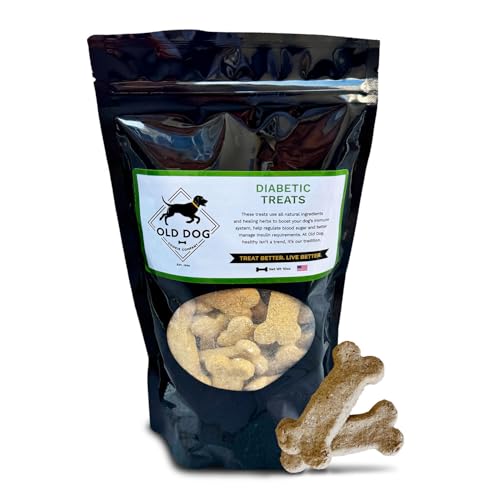
Old Dog Cookie Diabetic Dog Treats are my top recommendation for pet owners managing their dog’s diabetes with precision and care. These are the first all-natural treats specifically formulated for diabetic dogs. The vet-approved, low-glycemic recipe helps maintain stable blood sugar levels. Each 16-calorie biscuit is made with human-grade ingredients-no added sugar, salt, preservatives, or artificial chemicals. Real pumpkin provides fiber and antioxidants; apples aid glucose regulation; dandelion supports immunity. The 10 oz resealable pouch holds about 40 hard biscuits, ensuring freshness and crispness. I recommend limiting treats to 10% of your dog’s daily caloric intake.
Best For: Diabetic or aging dogs requiring low-glycemic, vet-approved treats made with natural, human-grade ingredients.
Pros:
- Specifically formulated for diabetic dogs with a low-glycemic, vet-approved recipe to support healthy blood sugar levels
- Made with nutrient-rich, natural ingredients like real pumpkin, apples, and dandelion for digestive and immune support
- Low-calorie (16 calories per biscuit), high-value treats ideal for training or daily rewards without compromising dietary needs
Cons:
- Limited flavor variety may not appeal to all dogs
- Hard texture may be difficult for dogs with dental issues or seniors with weak teeth
- Higher price point compared to conventional dog treats due to premium, human-grade ingredients
Nature’s Recipe Grain Free Dog Food

This diabetic-friendly option works best for dogs needing a low-glycemic, grain-free diet that supports stable blood sugar levels. I rely on salmon as the first ingredient-a high-quality protein that helps maintain strong muscles. The formula includes fiber-rich sweet potatoes and pumpkin, which aid digestion and support immune function. Omega-6 fatty acids from chicken and chicken fat promote healthy skin and a shiny coat. Each 4-pound bag contains natural ingredients with added vitamins, minerals, and nutrients. It’s free of poultry by-products, artificial additives, corn, wheat, soy, and grains-ideal for sensitive dogs.
Best For: Dogs with grain sensitivities or diabetes that require a low-glycemic, natural diet with high-quality protein and digestive support.
Pros:
- Features salmon as the first ingredient for optimal muscle maintenance
- Includes fiber-rich sweet potatoes and pumpkin to aid digestion and immune health
- Contains omega-6 fatty acids for healthy skin and a shiny coat, with no artificial additives or common allergens
Cons:
- Limited protein variety with salmon as the primary source, which may not suit all dogs’ preferences
- Grain-free formula may not be necessary for dogs without sensitivities
- Smaller 4-pound bag size may require frequent repurchasing for larger dogs
Hill’s Prescription Diet w/d Wet Dog Food

If your dog struggles with diabetes alongside concerns like weight management or urinary tract health, Hill’s Prescription Diet w/d Wet Dog Food is formulated to address multiple overlapping conditions. I rely on this formula because it’s developed by Hill’s nutritionists and veterinarians specifically for complex metabolic needs. It contains therapeutic levels of L-carnitine to enhance fat metabolism and preserve lean muscle. The blend of soluble and insoluble fiber supports digestion and stabilizes blood glucose. Low fat and low calories aid in weight control. Reduced magnesium and sodium help maintain urinary tract health. I recommend discussing it with your vet-it’s the number one vet-recommended therapeutic dog food in the U.S.
Best For: Dogs with diabetes, weight management needs, or urinary tract and gastrointestinal concerns requiring a veterinarian-recommended therapeutic diet.
Pros:
- Formulated by veterinary nutritionists to manage multiple health conditions including glucose control, weight, and urinary tract health
- Contains therapeutic levels of L-carnitine to support fat metabolism and lean muscle maintenance
- Low fat, low calorie, and enriched with balanced fiber to aid digestion and promote healthy weight loss
Cons:
- Requires veterinary approval, limiting accessibility for some pet owners
- May not be palatable to all dogs due to its therapeutic formulation
- Wet food format may be less convenient or more expensive to store and use long-term
Pet Wellbeing Blood Sugar Gold for Dogs

A top-tier choice for dogs facing blood sugar challenges, Pet Wellbeing Blood Sugar Gold for Dogs delivers targeted metabolic support where it’s needed most. I rely on this veterinarian-formulated herbal blend because it includes clinically recognized ingredients like Gymnema leaf, Fenugreek, and Devil’s Club. These herbs support insulin sensitivity and glucose metabolism. The glycerin-based liquid guarantees fast absorption and precise dosing via dropper, based on your dog’s weight. It supports pancreatic and liver function, maintains healthy cholesterol levels, and promotes long-term eye health. I use it daily for at-risk breeds like Beagles and Golden Retrievers. It’s NASC Certified, made in a U.S. GMP-certified facility, and never replaces insulin-just enhances overall metabolic balance safely.
Best For: Dogs at risk of blood sugar imbalances, including senior dogs, less active pets, and breeds like Beagles, Dachshunds, and Golden Retrievers.
Pros:
- Veterinarian-formulated herbal blend with clinically recognized ingredients like Gymnema leaf, Fenugreek, and Devil’s Club to support healthy glucose metabolism
- Easy-to-administer glycerin-based liquid with precise, weight-based dosing for fast absorption and consistent use
- NASC Certified and made in a U.S.-based GMP-certified facility, ensuring quality, purity, and safety
Cons:
- Not a substitute for insulin therapy, which may limit effectiveness for dogs with advanced diabetes
- Liquid format may be less convenient for travel compared to pill forms
- Premium pricing may be higher than some other blood sugar support supplements
Marcy’s Pet Kitchen Diabetic Dog Treats

My diabetic dog thrives on Marcy’s Pet Kitchen Diabetic Dog Treats because they’re formulated with a low glycemic index to help maintain stable blood sugar levels. These vegan, gluten-free treats contain no preservatives, salt, or artificial dyes. Real food ingredients-carrots, sweet potatoes, peas-deliver essential vitamins and fiber. Each treat is gently baked in small batches to preserve nutrients and guarantee digestibility. Made in the USA, they support dogs with food sensitivities. Handcrafted by Marcy Pellegrino, this female-founded brand prioritizes clean ingredients. A 5oz resealable bag keeps treats fresh. A portion of proceeds benefits the Onyx Foundation.
Best For: Dogs with diabetes, food sensitivities, or dietary restrictions requiring low glycemic, vegan, and gluten-free treats.
Pros:
- Veterinarian recommended and made with wholesome, natural ingredients like carrots, sweet potatoes, and peas
- Gently baked in small batches in the USA to preserve nutrients and support digestibility
- Supports a good cause-portion of proceeds benefits the Onyx Foundation
Cons:
- Limited to 5oz resealable bag size, which may require frequent repurchasing
- Vegan formulation may not appeal to dogs preferring meat-based treats
- Higher price point due to small-batch, handmade production
Diabetic Pet Blood Sugar Support Powder

Who benefits most from Diabetic Pet Blood Sugar Support Powder? Diabetic dogs and cats with insulin resistance or unstable glucose levels benefit greatly. This vet-formulated powder enhances insulin sensitivity using scientifically backed ingredients. It contains berberine, proven to activate AMPK, a metabolic regulator that improves glucose uptake. Burdock root supports liver function and carbohydrate metabolism. Turmeric reduces inflammation linked to insulin dysfunction. Blueberries provide antioxidants that protect pancreatic cells. The powder mixes easily into wet or dry food-no pill stress. Made in the USA, it uses natural, high-quality ingredients. Each batch undergoes purity testing. I recommend it as a daily supplement alongside diet and insulin therapy for ideal glucose control.
Best For: Diabetic dogs and cats struggling with insulin resistance or unstable blood glucose levels seeking natural, vet-formulated support for improved metabolic health.
Pros:
- Supports insulin sensitivity and healthy glucose metabolism with scientifically backed ingredients like berberine and turmeric
- Easy-to-use powder form that mixes seamlessly with wet or dry food, reducing stress for pets and owners
- Made in the USA with natural, high-quality ingredients and undergoes rigorous purity testing for safety
Cons:
- Not a standalone treatment and must be used alongside insulin therapy and dietary management
- Results may vary depending on the pet’s individual health condition and disease progression
- Contains natural plant extracts that could cause mild digestive upset in sensitive animals
Ella’s Diabetic Dog Treats (16oz)

Ella’s Diabetic Dog Treats (16oz) are ideal for owners committed to managing their diabetic dog’s glucose levels without compromising on quality or flavor. I formulated these treats with a low-glycemic, sugar-free profile to prevent glucose spikes. They contain just four ingredients: organic rolled oats, coconut oil, organic chicken broth, and chia seeds-no fillers, no artificial additives. The recipe is vet-approved and designed to support stable glucose metabolism. Each 16oz bag holds approximately 120 wafers. The light, crispy texture satisfies chewing without excess carbohydrates. Made in small batches in the USA, every treat is crafted by pet owners managing diabetic dogs themselves. Quality control is strict. Purity and consistency are guaranteed.
Best For: Diabetic dogs or health-conscious pet owners seeking nutritious, low-glycemic, sugar-free treats to support stable blood glucose levels.
Pros:
- Vet-approved, low-glycemic formula with only four natural, organic ingredients
- Made in small batches in the USA with strict quality control and no artificial additives
- Crispy texture and appealing taste that dogs enjoy, without compromising dietary needs
Cons:
- Limited ingredient variety may not appeal to dogs with specific taste preferences
- Higher price point compared to conventional dog treats due to premium ingredients
- Only available in one size (16oz), offering less flexibility for trial or small-dog households
Factors to Consider When Choosing Diabetic Dog Food
You need to choose diabetic dog food that stabilizes blood sugar, so look for a low glycemic index-ingredients like barley or legumes release glucose slowly. High protein content (minimum 25% crude protein on dry matter basis) helps maintain muscle mass without spiking insulin. Fiber for digestion (8–10% soluble fiber), controlled mineral levels to protect kidneys, and veterinary approval guarantee the formula meets clinical standards for diabetic dogs.
Low Glycemic Index
When selecting diabetic dog food, prioritizing a low glycemic index is essential for managing blood glucose effectively. Low glycemic foods cause a slower, more gradual rise in blood glucose, helping stabilize insulin needs. You should choose formulas with less than 10% digestible carbohydrates to minimize post-meal spikes. Soluble fiber and complex carbohydrates are key-they delay glucose absorption during digestion. Diets with minimal starch and sugar maintain predictable glucose responses throughout the day. Avoid simple carbs; they act like sugar bombs in your dog’s system. Instead, look for ingredients like barley, oats, and beet pulp, which provide steady energy. Consistent nutrient profiles guarantee reliable metabolic responses. Your dog’s insulin will work more efficiently when glucose influx is controlled. A low glycemic index isn’t optional-it’s foundational for diabetic management. You’re not just feeding; you’re regulating. Choose wisely.
High Protein Content
Balancing macronutrients in diabetic dog food extends beyond managing carbohydrates-protein plays a central role in metabolic stability. You need a diet with over 30% protein on a dry matter basis to help control blood sugar spikes after meals. High-quality, highly digestible proteins like chicken meal or egg support lean muscle mass, critical since diabetic dogs often lose muscle from poor glucose utilization. These proteins also aid tissue repair and may improve insulin sensitivity over time. Increased protein intake keeps your dog feeling full longer, helping manage weight-especially important if your pup is overweight. Unlike carbs, protein has minimal impact on insulin levels, making it a stable energy source. Choose formulas where animal-based proteins are listed as the first ingredients. Avoid plant-based fillers that reduce overall protein quality and digestibility. Consistent, premium protein supports long-term diabetic management.
Fiber For Digestion
Think of fiber as a stabilizing force in your diabetic dog’s digestive system-specifically, high levels of soluble fiber slow the absorption of glucose from the intestinal tract, which helps prevent sharp spikes in blood sugar after meals. You’ll want a formula with 8–10% crude fiber, balancing soluble and insoluble types. Soluble fiber forms a gel in the gut, moderating glucose uptake. Insoluble fiber adds bulk to stool, supporting regular bowel movements without impacting blood sugar. Together, they promote digestive efficiency and metabolic control. High-fiber diets increase satiety, helping you manage your dog’s weight-a key factor in reducing insulin resistance. Choose low-fat options with 8–12% fat content to support metabolic stability. These formulations improve glycemic control without overloading the digestive system. A balanced fiber profile doesn’t just aid digestion-it’s a critical tool in long-term diabetes management.
Controlled Mineral Levels
Because diabetic dogs face increased risks for urinary and renal complications, their food must include carefully controlled mineral levels to support long-term health. You’ll want formulations with reduced sodium-typically under 0.3% on a dry matter basis-to help maintain healthy blood pressure and reduce strain on the cardiovascular system. Lower sodium also supports kidney function, which works harder to filter excess glucose. Look for diets that limit magnesium, usually below 0.08%, to decrease the likelihood of struvite crystal formation. These crystals can lead to painful urinary blockages, especially in dogs with compromised metabolic balance. A balanced mineral profile helps prevent stone development and sustains ideal urinary tract function. Therapeutic diabetic foods are specifically engineered with these precise mineral constraints to match the unique physiological demands of diabetic canines. You’re not just feeding a diet-you’re managing systemic health through science-backed nutrition.
Veterinary Approval
Your dog’s kidney and urinary health depends on tightly regulated mineral levels, but managing diabetes goes beyond minerals alone-it requires a complete, vet-backed nutritional strategy. Veterinary approval guarantees the brilliant meets science-based standards for blood glucose control and metabolic function. Diets developed with veterinary nutritionists contain precise protein, fiber, and complex carbohydrate levels proven to support insulin regulation. These therapeutic formulas often undergo clinical trials showing measurable improvements in glycemic control and related biomarkers. Your dog’s unique needs, including concurrent conditions like pancreatitis or obesity, require professional oversight to match the right diet. Vet-approved foods typically limit simple carbohydrates and balance soluble to insoluble fiber-often 1:3 to 1:4 ratios-to slow glucose absorption. They also maintain consistent caloric density, usually 250–350 kcal/cup, for predictable energy intake. Choosing a professionally endorsed formula isn’t just safe-it’s scientifically optimized for your dog’s long-term health.
Frequently Asked Questions
Can Diabetic Dogs Eat Regular Treats Occasionally?
You can give diabetic dogs regular treats occasionally, but it’s risky. These treats often contain high levels of sugar and simple carbohydrates that spike blood glucose. Even small portions may disrupt insulin regulation. Vets recommend limiting such treats to rare exceptions, no more than once a month. Opt instead for low-glycemic, vet-approved alternatives with fiber-rich ingredients like barley or pumpkin to maintain stable glucose levels.
How Often Should I Check My Dog’s Blood Sugar?
You should check your dog’s blood sugar every 2 to 4 hours during regulation phases. Use a glucometer calibrated for dogs or cats to guarantee accuracy. Monitor for values below 80 mg/dL or above 300 mg/dL. Vets often recommend serial glucose curves over 12- to 24-hour periods. Consistent timing helps detect trends and adjust insulin doses effectively. Always log results for veterinary review.
Is Grain-Free Food Safe for Diabetic Dogs?
Yes, grain-free food isn’t automatically safe for diabetic dogs. You must check the carbohydrate content-many grain-free formulas replace grains with potatoes or legumes, which can spike blood sugar. Look for foods with under 25% carbohydrates on a dry matter basis. Stable glucose depends on consistent, low-glycemic ingredients. Always prioritize high fiber (8–10% crude fiber) and high-quality protein. Consult your vet before switching-each dog’s metabolic response varies.
Can I Mix Wet and Dry Diabetic Dog Food?
Yes, you can mix wet and dry diabetic dog food. Doing so helps control portion sizes while increasing moisture intake. Aim for a consistent ratio-like 75% dry to 25% wet-to maintain stable carbohydrate delivery. Choose products with <7% fiber and 10–20% protein on a dry matter basis. Rotate only under veterinary supervision to avoid glucose fluctuations. Always monitor insulin response after dietary changes.
Do Diabetic Dogs Need Insulin With Diet Changes?
Yes, your diabetic dog likely still needs insulin even with diet changes. Diet helps manage blood glucose, but it rarely replaces insulin therapy. Most diabetic dogs have insulin deficiency requiring lifelong exogenous insulin. You’ll administer injections twice daily, typically 12 hours apart, timed with meals. Vets often prescribe PZI or recombinant human insulin. Consistent feeding schedules and high-fiber, low-glycemic food support stable glucose levels, but don’t eliminate insulin needs.