Why Vitamin E Is Essential for Your Dog’s Immune System and Skin Condition
Vitamin E is essential because it protects your dog’s cells from oxidative damage. This fat-soluble antioxidant neutralizes free radicals, especially in immune cells and skin membranes. It supports immune function by stabilizing white blood cell membranes and boosts antibody responses. For skin, it preserves lipid barriers, reducing water loss by up to 30%. Natural-source d-alpha-tocopherol is retained 2.5 times better than synthetic forms. Dogs require dietary intake, with AAFCO recommending at least 50 IU/kg. Deficiency can impair immunity and cause dry, flaky skin. Ideal levels improve coat luster and resilience. Pairing vitamin E with omega-3s and selenium enhances its effect by reducing lipid peroxidation 40–50%. You’ll discover how to meet these needs through food or supplements.
Notable Insights
- Vitamin E protects canine immune cells by neutralizing free radicals and stabilizing cell membranes during immune responses.
- It enhances lymphocyte proliferation and antibody production, improving overall immune efficiency and disease resistance.
- As a fat-soluble antioxidant, it preserves skin lipids, reducing water loss and maintaining hydration and barrier function.
- Vitamin E supports healthy sebum production and hair follicle nutrient delivery for a shiny, resilient coat.
- Deficiency leads to dry skin, coat flakiness, and impaired immunity, especially in dogs fed unbalanced homemade diets.
What Is Vitamin E and Why Dogs Need It
Vitamin E isn’t just another supplement label filler-it’s a fat-soluble antioxidant essential for protecting your dog’s cells from oxidative damage. Its antioxidant properties neutralize free radicals, unstable molecules that can harm lipids in cell membranes. This process provides critical cellular protection, especially in tissues with high metabolic activity. Natural-source vitamin E (d-alpha-tocopherol) is more bioavailable than synthetic forms (dl-alpha-tocopherol), with studies showing up to 2.5 times greater retention in canine plasma. Dogs can’t synthesize vitamin E internally, so dietary intake is required. The Association of American Feed Control Officials (AAFCO) recommends a minimum of 50 IU/kg of food for adult dog maintenance. Deficiencies may lead to muscular degeneration or impaired nerve conduction. Ideal levels support membrane integrity and reduce oxidative stress. You’ll find vitamin E in quality dog foods and targeted supplements-always check labels for potency and form. One of the most effective ways to ensure consistent intake is through high-quality vitamin E supplements for pets.
How Vitamin E Supports Your Dog’s Immune System
Through its role as a lipid-soluble antioxidant, vitamin E helps shield immune cells from oxidative stress during active response phases-especially essential when your dog’s body is fighting infection. You rely on vitamin E to provide antioxidant protection, neutralizing free radicals produced during immune activation. These reactive molecules can damage cell membranes and compromise cellular defense. Vitamin E integrates into cell membranes, stabilizing them and preventing lipid peroxidation. This is critical for white blood cells, which require membrane integrity to engulf pathogens. Studies show dogs with adequate vitamin E have stronger lymphocyte proliferation and improved antibody responses. Without sufficient levels, immune efficiency declines, increasing susceptibility to illness. The NRC recommends 50–100 IU/kg of diet for adult dogs, depending on size and activity. Consistent intake guarantees ongoing support for immune function. You’re not just supplementing-you’re fortifying your dog’s internal defense networks at the cellular level.
Vitamin E for Healthy Skin and a Shiny Coat
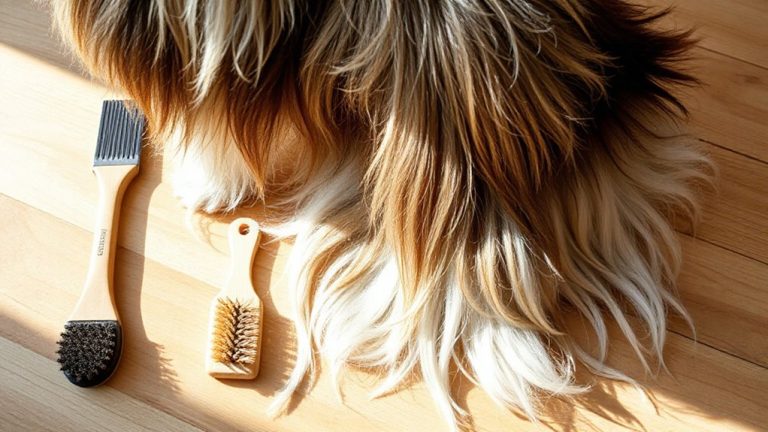
A dog’s coat is more than just fur-it’s a visible indicator of underlying skin health and nutritional status. Vitamin E directly supports skin hydration by protecting lipid barriers in the epidermis, reducing transepidermal water loss by up to 30%. This fat-soluble vitamin acts as a potent antioxidant, neutralizing free radicals that damage skin cells and degrade collagen. Improved skin hydration leads to better coat texture, making fur softer, denser, and more resilient to environmental stress. Dogs receiving 20–40 IU/kg of vitamin E daily show measurable improvements in sebum production and follicle function. Properly hydrated skin reduces flakiness and supports a lustrous, glossy coat. Vitamin E also stabilizes cell membranes, which enhances nutrient delivery to hair follicles. Consistent intake through diet or supplementation guarantees peak dermal function. You’ll notice fewer dry patches and a visibly healthier coat texture within weeks. Effective skin and coat health starts beneath the surface.
Signs of Vitamin E Deficiency in Dogs
You won’t always spot a deficiency right away, but subtle changes in your dog’s appearance and energy levels can signal a problem. Dry skin is one of the earliest visible signs, often accompanied by a dull, flaky coat. This occurs because vitamin E is a critical antioxidant that protects skin cell membranes from oxidative damage. Without sufficient levels, lipid peroxidation degrades skin integrity. Muscle weakness follows, especially in active or working dogs. You may notice your dog struggling with stairs or tiring faster on walks. This stems from impaired muscle membrane stability and reduced cellular repair. Prolonged deficiency can lead to neuromuscular dysfunction, including ataxia or tremors. Blood tests showing serum alpha-tocopherol levels below 0.5 µg/mL confirm deficiency. Though rare in balanced diets, homemade or fat-restricted diets increase risk. Address it promptly-chronic lack compromises both skin and neuromuscular health.
Best Food Sources of Vitamin E for Dogs
The best food sources of vitamin E for dogs are those rich in natural tocopherols, particularly alpha-tocopherol, the most biologically active form. You can find high concentrations in wheat germ oil, which provides approximately 20 mg of vitamin E per tablespoon. Sunflower seeds offer about 7.4 mg per ounce and make excellent natural treats when fed in moderation. Spinach and broccoli contribute 2–3 mg per cooked cup, supporting daily requirements without excess calories. If you prepare homemade meals, include these ingredients to guarantee adequate intake. Cold-pressed vegetable oils retain more vitamin E than refined versions due to minimal processing. Commercially available dog foods often supplement with synthetic vitamin E, but natural sources in whole foods enhance absorption. Always balance portions to avoid nutrient imbalances. Natural treats and homemade meals fortified with vitamin E-rich ingredients support skin health and immune function effectively.
When Your Dog Might Need Vitamin E Supplements
While a balanced diet often covers your dog’s vitamin E needs, certain health conditions or dietary limitations may require additional support through supplements. Dogs with fat malabsorption disorders, such as exocrine pancreatic insufficiency, struggle to absorb fat-soluble vitamins like vitamin E. Neurological issues or skin conditions like keratinization disorders also indicate potential deficiencies. If you feed a homemade or raw diet, your dog may not receive adequate vitamin E unless properly supplemented. Always seek veterinary consultation before starting supplementation. Excess vitamin E can interfere with other fat-soluble vitamins. A vet will assess your dog’s condition and recommend the correct supplement dosage, typically 1–2 IU per pound of body weight daily for maintenance, higher for therapeutic use. Over-the-counter supplements vary in bioavailability-natural forms (d-alpha-tocopherol) are more effective than synthetic (dl-alpha-tocopherol). Professional guidance guarantees safe, effective dosing tailored to your dog’s health needs.
Combining Vitamin E With Omega Fats and Selenium
Since vitamin E works synergistically with certain nutrients, pairing it with omega-3 and omega-6 fatty acids as well as selenium enhances its antioxidant effects and supports cellular health. This combination creates a powerful antioxidant synergy that protects cell membranes from oxidative damage. Omega fats improve nutrient absorption of fat-soluble vitamin E, increasing bioavailability by up to 30% when delivered in oil-based supplements. Selenium acts as a cofactor for glutathione peroxidase, an enzyme that works alongside vitamin E to reduce free radicals. Together, they lower lipid peroxidation in cell membranes by 40–50% in canine studies. For best results, use supplements providing 20–40 IU vitamin E, 200–400 mg omega-3s (EPA/DHA), and 50–100 mcg selenium per 10 kg body weight daily. This formulation guarantees balanced nutrient absorption and sustained antioxidant protection. Top-rated omega supplements for pets often include this optimal nutrient blend for maximum health benefits.
On a final note
You need vitamin E for your dog’s immune function and skin health. It acts as a potent antioxidant, neutralizing free radicals that damage cells. Vitamin E protects lymphocytes, enhancing immune response efficiency. For skin, it maintains epithelial integrity and reduces oxidative stress. Dogs can’t synthesize it, so dietary intake is essential. Recommended allowance: 50 IU/kg diet for adults. Deficiency leads to myopathy and dermatosis. Pair with omega-3 and selenium for synergistic effects.