The Importance of Amino Acid Balance in Weight-Loss Diets for Cats
You must feed your cat a diet with balanced amino acids to prevent muscle loss during weight loss. Protein below 30% dry matter forces the body to break down muscle for essential amino acids. Taurine (25 mg/100 kcal), arginine, and methionine support heart, liver, and nitrogen balance. High-quality proteins like egg, chicken, and turkey guarantee over 90% digestibility and proper nitrogen retention. Feeding 45% of calories from protein helps preserve lean mass. You’ll discover how to apply these requirements effectively in real-world feeding plans.
Notable Insights
- Amino acid balance prevents muscle loss by meeting feline requirements for essential nutrients during calorie restriction.
- High-quality animal proteins ensure optimal digestibility and sustained delivery of critical amino acids like taurine and arginine.
- Taurine at 25 mg per 100 kcal supports heart and vision health, preventing deficiency during weight loss.
- Branched-chain amino acids reduce muscle catabolism and support metabolic efficiency when energy intake is limited.
- Protein should supply at least 45% of metabolizable energy to preserve lean mass and promote safe, effective fat loss.
How Imbalanced Diets Cause Muscle Loss in Overweight Cats
While losing weight might seem like a straightforward fix for overweight cats, feeding an imbalanced diet can do more harm than good-especially when muscle mass is lost instead of fat. You risk triggering protein deficiency when dietary protein falls below 30% on a dry matter basis. Without adequate intake, your cat’s body breaks down muscle tissue to meet amino acid demands. This loss weakens mobility and lowers resting metabolic rate. Insufficient protein also causes metabolic stress, disrupting glucose regulation and increasing cortisol levels. Over time, this stress elevates liver enzyme markers and reduces nitrogen retention. High-carbohydrate, low-protein diets worsen these effects, as cats evolved to utilize protein for energy. Maintaining lean mass during weight loss requires diets with at least 4.5 g of high-quality protein per kg of ideal body weight daily. Prioritize balanced nutrition to preserve muscle and support long-term metabolic health.
Why Amino Acids Are Crucial During Feline Weight Loss
Amino acids serve as the foundation for lean tissue preservation during feline weight loss. Without sufficient essential amino acids, your cat’s body breaks down muscle for energy, undermining metabolic efficiency. Proper amino acid balance promotes protein sparring, meaning dietary protein is used efficiently instead of being burned as fuel. This process helps maintain lean mass while targeting fat stores.
| Nutrient | Role in Weight Loss | Impact on Metabolism |
|---|---|---|
| Essential Amino Acids | Preserve muscle | Support protein sparring |
| Branched-Chain Amino Acids | Reduce catabolism | Enhance metabolic efficiency |
| Sulfur-Containing AAs | Aid liver function | Assist fat mobilization |
Optimal amino acid intake guarantees your cat loses weight safely without sacrificing strength or metabolic rate. Balanced profiles align with feline biology, making weight-loss diets more effective and sustainable over time.
Taurine, Arginine, Methionine: 3 Amino Acids Cats Can’t Miss
Your cat’s body can’t make certain amino acids on its own, so they must come from food-especially during weight loss when nutrient demands go up. Taurine is essential-deficiency leads to irreversible retinal damage and dilated cardiomyopathy. Cats require at least 25 mg taurine per 100 kcal daily; lower intakes risk taurine deficiency. Arginine is critical for ammonia detoxification. A single meal without arginine can cause hyperammonemia in cats. Arginine supplementation at 175–300 mg per kg body weight daily supports metabolic health. Methionine maintains sulfur balance and supports lean mass, acting as a methyl donor in protein synthesis. It also helps regulate urinary pH, reducing crystal formation risk. These amino acids must be optimized in reduced-calorie diets. Animal-based sources provide complete profiles, but precise formulation guarantees needs are met without excess calories. Each gram counts-especially when preserving metabolic integrity during weight loss. Balanced levels support long-term feline health. High-quality taurine supplements for cats can help ensure adequate intake when dietary sources are insufficient.
Best Animal-Based Proteins for Preserving Lean Mass
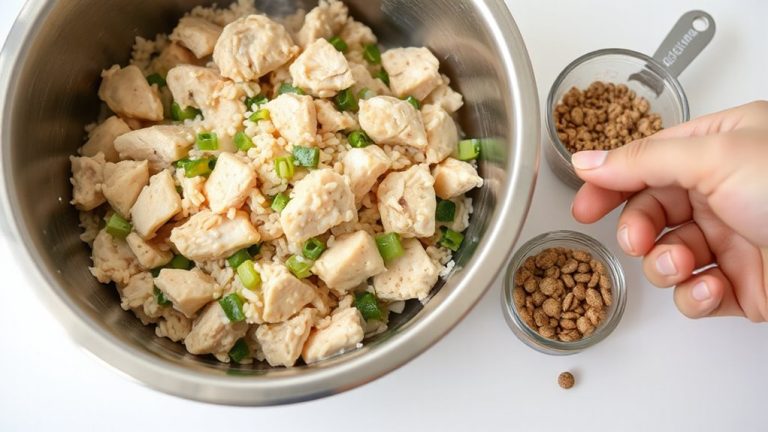
Because lean mass preservation is vital during feline weight loss, selecting high-quality animal-based proteins isn’t optional-it’s necessary. You need proteins with high biological value and complete amino acid profiles. Chicken breast and turkey offer digestibility comparison results above 90%, ensuring efficient nitrogen retention and muscle support. Eggs rank among the best, with a protein digestibility-corrected amino acid score (PDCAAS) of 1.0. For ideal protein sourcing, prioritize muscle meats over by-products; they deliver more consistent amino acid levels. Lean beef provides iron and B-vitamins while maintaining digestibility near 88%. Fish, especially chicken and fish meal combos, enhance palatability and sulfur-containing amino acids. These sources improve net protein utilization, essential when calorie intake drops. Always verify ingredient lists for true protein sourcing-named animal species beat generic “meals.” A diet built on these proteins sustains lean mass more effectively during energy restriction, helping your cat lose fat, not muscle.
How to Balance Calories and Nutrients Without Losing Muscle
Weight loss in cats demands precision, not guesswork. You must balance calorie counting with ideal nutrient delivery to preserve lean muscle. Start with accurate portion control-use a digital scale to measure food to the gram. Overfeeding by just 20 kcal/day can stall weight loss. Commercial therapeutic diets for weight management typically contain 250–300 kcal per cup, but energy density varies. Choose high-protein formulas where animal-based ingredients supply at least 45% of metabolizable energy from protein. This supports muscle retention during caloric restriction. Divide daily intake into two to three meals to stabilize nitrogen balance. Avoid free-feeding; instead, follow a structured meal plan based on your cat’s resting energy requirement (RER), calculated as 70 × (body weight in kg)^0.75. Calorie counting and portion control aren’t restrictive-they’re necessary tools for healthy, sustainable feline weight loss.
Signs Your Cat Is Missing Key Amino Acids
Maintaining proper amino acid balance is just as important as managing calories and protein levels during a cat’s weight loss plan. You may notice lethargy, indicating insufficient essential amino acids like taurine or lysine. Cats rely on dietary amino acids for energy metabolism and muscle maintenance; deficits impair mitochondrial function. A dull coat often signals methionine or cysteine deficiency, critical for keratin synthesis and antioxidant production. Poor fur condition reflects disrupted protein turnover rates. Reduced activity, slow recovery, and muscle wasting suggest imbalanced amino acid profiles. Blood plasma assays can confirm suboptimal amino acid concentrations. High-quality weight-loss diets should provide at least 4.5 g taurine per kg dry matter and a balanced essential amino acid profile matching AAFCO feline nutrient standards. Monitor your cat closely. Persistent lethargy or a dull coat after two weeks on a diet warrants reevaluation of amino acid adequacy. Early detection prevents long-term health impacts. Adjust feeding plans under veterinary guidance to restore balance.
On a final note
You must prioritize amino acid balance in your cat’s weight-loss diet. Imbalanced protein intake accelerates muscle loss, reducing metabolic rate. High-quality animal proteins-chicken, turkey, and fish-provide essential amino acids: taurine (minimum 0.1% on dry matter basis), arginine, and methionine. These support nitrogen retention, preserving lean mass. Always pair calorie reduction with amino acid–dense nutrition to maintain organ function and metabolic health.