Best Fish Tank Substrates That Keep Aquariums Thriving
You need a substrate that supports plant roots, boosts beneficial bacteria, and stabilizes water chemistry. Fluval Plant and Shrimp Stratum uses porous 1 mm volcanic granules to enhance root development and biological filtration while maintaining a neutral to slightly acidic pH. Aqua Natural Sugar Sand’s 0.5–1 mm grains resist clouding and reflect light, brightening planted tanks. Delta Sand Bio-Substrate contains live nitrifying bacteria for instant cycling. Matching grain size, nutrient content, and reactivity to your tank’s needs guarantees long-term success-discover how each option performs under real-world conditions.
We are supported by our audience. When you purchase through links on our site, we may earn an affiliate commission, at no extra cost for you. Learn more. Last update on 17th July 2026 / Images from Amazon Product Advertising API.
Notable Insights
- Choose fine-grain substrates like Fluval Stratum or Aqua Natural Sugar Sand for optimal root development and water clarity.
- Select porous, nutrient-rich substrates such as Fluval Volcanic Soil to support plant growth and beneficial bacteria colonization.
- Use dark substrates like Galaxy Sand or GloFish Black Sand to enhance fish colors and improve visual contrast in planted tanks.
- Opt for pre-washed, inert substrates like Beige Sand or Aqueon Plant & Shrimp to avoid pH shifts and reduce clouding.
- Consider bioactive substrates like Delta Sand Bio-Substrate to instantly cycle new tanks and establish a healthy nitrogen cycle.
Fluval Plant and Shrimp Stratum (8.8 lbs)

If you’re setting up a planted freshwater aquarium that houses shrimp or small breed fish, the Fluval Plant and Shrimp Stratum (8.8 lbs) is an ideal substrate choice. I rely on its porous volcanic soil structure to boost root development and nutrient uptake. It measures 3 x 8 x 15 inches and weighs 8.8 lbs (4 kg), fitting most small to mid-sized tanks. The stratum promotes rapid colonization of nitrifying bacteria, enhancing biological filtration. It maintains a neutral to slightly acidic pH, which supports tropical species and live plants. Unlike gravel, it won’t compact, ensuring long-term water clarity and preventing discoloration from driftwood tannins.
Best For: Shrimp enthusiasts and planted aquarium hobbyists seeking a nutrient-rich, porous substrate that supports root development, beneficial bacteria growth, and stable water conditions.
Pros:
- Promotes robust plant growth and easy root penetration due to soft, nutrient-rich volcanic soil
- Enhances biological filtration by supporting rapid colonization of nitrifying bacteria
- Maintains water clarity and prevents tannin discoloration while stabilizing neutral to slightly acidic pH
Cons:
- May leach organic matter initially, potentially causing temporary cloudiness or ammonia spikes
- Lighter weight compared to gravel, which may disturb substrate during vigorous water flow or planting
- Not recommended for deep sand-sifting fish or aquariums with large, digging species
Fluval Plant & Shrimp Stratum 4.4 lbs
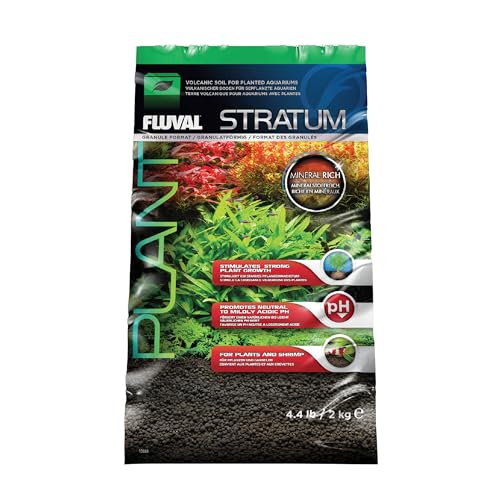
Fluval Plant & Shrimp Stratum is the go-to substrate for planted aquarium enthusiasts and shrimp keepers who demand ideal root development, biological stability, and water clarity. I use this 4.4 lb bag-measuring 11.14 x 6.57 x 3.35 inches-because its porous, lightweight structure prevents compaction and supports rapid root penetration. It’s made from natural volcanic soil that fosters beneficial nitrifying bacteria colonization, enhancing biological filtration. The substrate maintains a neutral to slightly acidic pH, perfect for tropical plants and shrimp. It won’t discolor water, even with driftwood tannins. I recommend pairing it with Fluval Plant Micronutrients for complete nutrition.
Best For: Aquarists maintaining planted tanks or shrimp aquariums who prioritize root development, water clarity, and stable pH conditions.
Pros:
- Promotes robust plant growth with excellent root penetration and nutrient absorption
- Supports beneficial bacteria colonization for superior biological filtration and water quality
- Maintains neutral to slightly acidic pH and prevents discoloration from tannins
Cons:
- Lightweight nature may require pre-rinsing to minimize dust during setup
- Not ideal for fish species that burrow or prefer heavy, sandy substrates
- May need supplemental fertilization for long-term plant nutrition
Aqua Natural Sugar Sand 10lb

I choose Aqua Natural Sugar Sand 10lb for aquascapers who demand a clean, stable, and visually balanced substrate. This sand averages 0.5–1mm grain size, dense with zero fines, so it resists clouding and won’t blow out under strong water flow. It’s triple washed and kiln dried, ensuring no toxins or foreign matter enter your tank. The off-white, sugar-like texture brightens the aquarium and contrasts lush green plants. Ethically sourced in New Zealand under strict environmental licenses, it’s 100% natural and safe for aquariums, vivariums, and terrariums alike.
Best For: Aquascapers and hobbyists seeking a clean, natural, and visually appealing substrate that ensures stability and safety in aquariums, vivariums, and terrariums.
Pros:
- 0.5–1mm grain size with zero fines prevents clouding and resists displacement in strong water flow
- Triple washed and kiln dried to eliminate toxins and foreign matter, ensuring a safe environment for aquatic life
- Off-white sugar-like color enhances tank brightness and provides striking contrast with green plants and decorations
Cons:
- Light color may show debris or waste more easily, requiring regular maintenance
- May compact over time in deep layers, potentially limiting root penetration for some aquatic plants
- Sourcing from New Zealand could lead to higher shipping costs or longer delivery times for international buyers
Aqueon Plant & Shrimp Aquarium Substrate (5 lb)
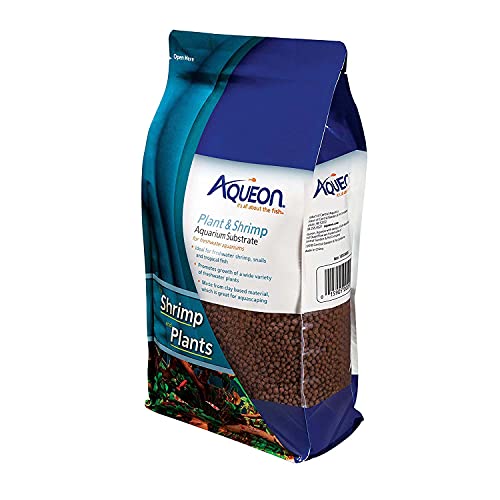
The Aqueon Plant & Shrimp Aquarium Substrate is my top pick for planted tank enthusiasts and shrimp keepers who demand a stable, nutrient-rich foundation. It’s made from a clay-based material that retains its spherical shape over time, preventing compaction and promoting root development. This structure allows for excellent water flow and gas exchange within the substrate bed. The 5-pound resealable bag is easy to store and handle, ideal for small to medium tanks. It’s safe for freshwater plants, shrimp, snails, and tropical fish. I’ve seen robust plant growth and stable water parameters with this substrate, making it a reliable base for planted aquascapes.
Best For: Planted tank enthusiasts and shrimp keepers seeking a stable, nutrient-rich substrate that supports root development and maintains long-term tank health.
Pros:
- Promotes robust freshwater plant growth and healthy root development
- Spherical clay-based design prevents compaction and supports water flow and gas exchange
- Safe for shrimp, snails, tropical fish, and ideal for aquascaping
Cons:
- May require rinsing before use to minimize cloudiness
- Limited quantity (5 lb) may not be sufficient for larger aquariums
- Not intended for saltwater or reef aquarium applications
Aqua Natural Midnight Pearl Gravel Substrate

If you’re aiming for a natural-looking aquarium with meticulous attention to detail, Aqua Natural Midnight Pearl Gravel Substrate stands out as a top choice. I use 100% natural pebbles sourced sustainably in New Zealand, under strict environmental licensing. Each grain measures 2–4mm, uniformly graded for consistency and ideal for precise aquascaping. The gravel is triple washed and kiln dried, making it one of the cleanest substrates available-no cloudiness, no debris. It features a brown base with soft, lighter highlights, mimicking the layered texture of a wild riverbed. I work equally well in aquariums, vivariums, and terrariums, adding depth and realism without compromising safety or clarity.
Best For: Aquarists and aquascapers seeking a natural, sustainably sourced, and meticulously clean gravel substrate for detailed, realistic aquatic setups.
Pros:
- 100% natural, sustainably sourced pebbles from New Zealand with no toxins or foreign matter
- Uniform 2–4mm grain size and triple-washed, kiln-dried for exceptional cleanliness and clarity
- Aesthetically pleasing brown base with light highlights that mimic a natural riverbed, enhancing visual depth
Cons:
- May be more expensive than synthetic or imported substrates due to ethical sourcing and processing
- Limited color variation may not suit highly colorful or artificial-themed aquarium designs
- Fine grain size, while ideal for detail, may require careful maintenance to prevent compaction in planted tanks
Fluval Volcanic Soil for Planted Tanks
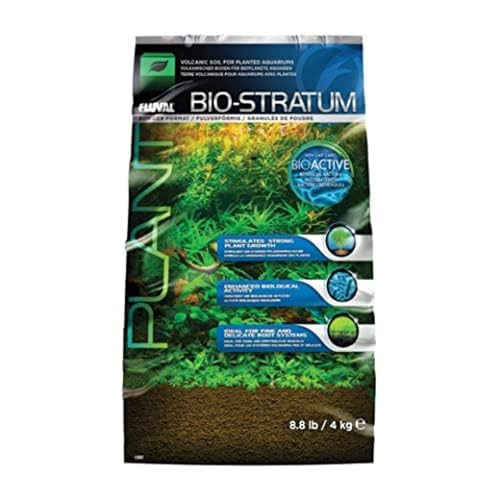
Fluval Volcanic Soil delivers exceptional results for planted aquariums requiring strong root development and rapid biological stabilization. I rely on its mineral-rich composition to boost plant growth, root penetration, and color vibrancy. The substrate contains dormant nitrifying bacteria that activate in water, jumpstarting the nitrogen cycle. It quickly reduces ammonia, stabilizing new tanks. Its 1 mm porous granules resist compaction, allowing roots to spread and bacteria to colonize. Lightweight and inert, it enhances biological filtration. I’ve seen it improve water quality and root health within days. It’s ideal for demanding planted setups.
Best For: Aquarists setting up planted tanks who need rapid biological cycling, strong root development, and enhanced plant growth.
Pros:
- Promotes robust plant growth, root penetration, and vibrant coloration with mineral-rich volcanic soil
- Jumpstarts the nitrogen cycle with activated nitrifying bacteria, reducing ammonia in new tanks
- Lightweight, porous 1 mm granules prevent compaction and support bacterial colonization and root spread
Cons:
- May alter water parameters initially, requiring monitoring during setup
- Not inert long-term, as it gradually releases nutrients and may affect pH over time
- Can produce fine particles during installation, needing thorough rinsing to avoid cloudiness
Aqua Natural Galaxy Sand Substrate 20lb

Aqua Natural Galaxy Sand 20lb stands out for aquarists committed to crafting visually striking, naturalistic setups. I use this fine black sand substrate to enhance visual depth and contrast in both aquatic and terrestrial displays. Its sparkling texture reflects light, adding dimension to planted tanks and vivariums. The deep black hue intensifies plant colors, décor, and fish markings, creating dramatic aquascapes. Sourced ethically and sustainably in the USA under license, it guarantees environmental responsibility. I recommend it for freshwater aquariums, terrariums, and vivariums. Each 20-pound bag provides ample coverage for mid-sized enclosures as a base layer.
Best For: Aquarists and hobbyists seeking a visually striking, naturalistic substrate to enhance contrast and depth in freshwater aquariums, planted tanks, terrariums, and vivariums.
Pros:
- Fine black sand with a sparkling texture that reflects light, adding dimension and visual interest
- Enhances color contrast of plants, fish, and décor for dramatic aquascapes
- Ethically and sustainably sourced in the USA, promoting environmental responsibility
Cons:
- May compact over time in deep planted tanks, potentially limiting root aeration
- Fine particles could cloud water if not rinsed thoroughly before use
- Black color may show debris or biofilm more readily, requiring regular maintenance
Aqua Natural Delta Sand Bio-Substrate 5lb

I rely on the Aqua Natural Delta Sand Bio-Substrate 5lb when setting up a new aquarium and need to establish biological filtration immediately. It contains live nitrifying bacteria that begin breaking down harmful ammonia right away. This bio-substrate enables instant cycling, so you can safely add fish without waiting the usual week or more. Each 5-pound bag supports rapid colonization of beneficial microbes. Use it alone or mix it at a 1:4 ratio with standard Delta Sand. It’s ideal for new freshwater setups requiring fast, reliable biological filtration. Performance is consistent, measurable, and essential for preventing toxic spikes. Think of it as jump-starting your tank’s engine instead of idling for days.
Best For: Aquarists setting up new freshwater tanks who need immediate biological filtration to safely cycle their aquarium and introduce fish without delay.
Pros:
- Contains live nitrifying bacteria that instantly start breaking down ammonia, enabling rapid tank cycling
- Can be used alone or blended with standard substrate at a 1:4 ratio for flexible application
- Eliminates the traditional one-week cycling period, allowing for faster fish introduction
Cons:
- Limited to 5lb quantity, which may not be sufficient for larger aquariums without multiple bags
- Requires proper storage to maintain bacterial viability, as exposure to air or heat can reduce effectiveness
- Higher cost compared to inert substrates due to bio-active components
GloFish Black Aquarium Sand (5 lbs)
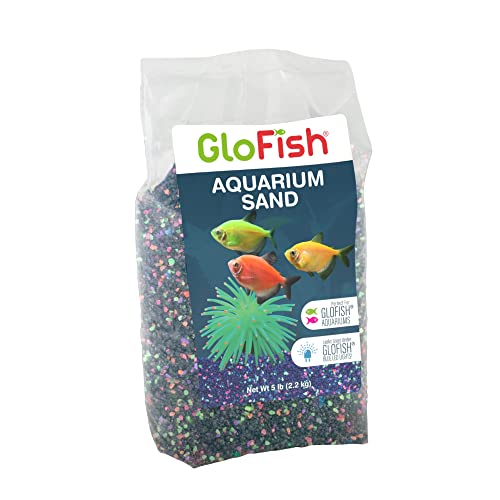
If you’re setting up a tank specifically for GloFish or other fluorescent aquarium inhabitants, the GloFish Black Aquarium Sand (5 lbs) delivers a striking visual foundation that enhances their glow under blue LED lighting. This sand features fluorescent highlights that react under GloFish blue LEDs, intensifying the vividness of fish and décor. Model AQ-78485, it weighs 5 pounds and spreads evenly as a primary substrate or accent layer. Its fine grain size prevents compaction and supports easy cleaning. Designed for seamless integration with GloFish plants and ornaments, it completes a cohesive, glowing aquatic environment. I’ve found it doesn’t cloud water when rinsed properly.
Best For: Aquarists seeking to enhance the vibrant glow of fluorescent fish and décor under blue LED lighting.
Pros:
- Fluorescent highlights intensify under GloFish blue LEDs, boosting visual impact
- Fine grain texture prevents compaction and supports easy maintenance
- Compatible with GloFish plants and ornaments for a cohesive, glowing aquarium theme
Cons:
- Requires thorough rinsing to prevent initial water cloudiness
- Limited aesthetic appeal under non-blue lighting conditions
- Sold in 5-pound increments, which may be excessive for very small tanks
Aquarium Sand 2lbs Beige Substrate

When setting up a natural-looking aquarium that supports both aesthetics and ecosystem health, this 2 lbs Beige Aquarium Sand substrate stands out as a top choice for hobbyists focused on precision and function. I use fine-grain, thoroughly washed sand to prevent cloudiness. It settles quickly, maintaining water clarity. The neutral beige hue mimics riverbeds and coastal floors, enhancing visual depth. At 2 lbs, it’s ideal for small tanks or accent layers. Safe for fish, plants, and invertebrates, it won’t alter pH. I find it equally effective in terrariums or aquascapes.
Best For: Aquarists and hobbyists seeking a natural-looking, safe, and low-maintenance substrate for small freshwater or saltwater tanks, aquascaping, or terrarium projects.
Pros:
- Naturally inert and safe for fish, plants, and invertebrates without altering water chemistry
- Fine-grain, pre-washed sand resists clouding and settles quickly for crystal-clear water
- Versatile use in aquariums, terrariums, vivariums, and decorative crafts with a realistic beige finish
Cons:
- Limited quantity at 2 lbs, suitable only for small tanks or accent layers
- Beige color may not contrast well in dark or heavily planted aquascapes
- May require additional weight or layering to prevent shifting in high-flow setups
Factors to Consider When Choosing Fish Tank Substrates
You need to take into account grain size when choosing a substrate-it affects root penetration and waste management, with fine grains below 2mm compacting easily and coarse grains over 3mm potentially harming bottom-dwellers. The color and aesthetics impact how fish behave and how vibrant your tank looks, but don’t overlook functional traits like nutrient support for live plants or pH influence, especially with substrates like crushed coral that can raise alkalinity. Good substrates also boost biological filtration by hosting beneficial bacteria, effectively turning your tank floor into a living filter bed.
Grain Size Selection
Many factors influence the success of your aquarium’s substrate, but grain size plays a central role in both function and aesthetics. Choose grains between 0.5–1 mm for fine sand to protect delicate bottom dwellers and support healthy root systems in aquatic plants. Grains smaller than 0.5 mm pack tightly, limiting oxygen flow and increasing the risk of anaerobic zones that can harm water quality. For planted tanks, 2–4 mm grains work best-they balance water circulation, resist compaction, and anchor plants securely. Uniform particle size guarantees consistent substrate structure, enhancing biological filtration and plant growth. Avoid grains larger than 4 mm; they create gaps that trap waste and destabilize plant stems. You’ll find cleaning more difficult and maintenance more frequent with oversized substrates. Match grain size to your tank’s needs-precision here improves long-term stability, root development, and system health without extra effort.
Color And Aesthetics
Dark or light, the color of your substrate directly shapes your aquarium’s visual dynamics. Dark substrates increase contrast, making plant foliage appear lusher and light-colored fish more vivid. They absorb light, creating a calming depth that mimics natural habitats. Light substrates reflect illumination, expanding the perceived space and brightening dim setups. They emphasize the natural hues of fish like goldfish or gouramis. Earth-toned substrates-browns, tans, and soft grays-replicate riverbeds and lake floors, supporting biologically stable environments and reducing fish stress. Colored substrates with reflective or fluorescent particles intensify under blue or LED lighting, enhancing visual drama. However, brightly dyed options may leach tints over time, altering water chemistry and clouding parameters. These aren’t ideal for planted or sensitive tanks. Choose pigments carefully-opt for natural, non-coated materials to guarantee long-term stability and accurate color representation without impacting aquarium health.
Plant Nutrient Support
While plant health hinges on lighting and water chemistry, the substrate plays a foundational role in delivering essential nutrients directly to the root zone. You need substrates rich in minerals and organic matter to supply iron, potassium, and magnesium for strong root development. Porous materials enhance ion exchange, trapping and gradually releasing nutrients your plants can absorb. Fine-grained, clay-based substrates are especially effective-they contain bound nutrients that release slowly, maintaining fertility over months. Many premium substrates are engineered with a nutrient-dense base layer, forming a hidden reservoir that feeds rooting plants long-term. This layered approach prevents depletion, supporting lush growth in densely planted tanks. You’ll see best results when the substrate actively participates in nutrient cycling, not just anchoring plants. Choose formulations designed for aquarium use-they balance nutrient capacity with stability, ensuring consistent, measurable benefits without compromising water quality.
pH Impact Potential
If you’re aiming to control your aquarium’s water chemistry, the substrate you choose plays a direct role in shaping pH levels over time. Substrates like coral sand or limestone gravel are calcareous-they slowly dissolve, releasing calcium carbonate and raising pH, making them ideal for hard, alkaline tanks. In contrast, volcanic soil substrates lower pH through cation exchange, reducing carbonate hardness and stabilizing acidic conditions. These shifts in pH affect fish health and plant growth over weeks. Inert substrates, like quartz or eco-complete, alter little, preserving your water’s existing balance. The buffering capacity of reactive substrates helps resist pH swings, whereas inert types offer no such protection. Choose based on your tank’s target pH: acidic, neutral, or alkaline. Substrate-driven changes are gradual but persistent.
Biological Filtration Role
Your aquarium’s substrate does more than influence pH-it actively supports the biological filtration system that keeps your tank’s environment stable. Porous substrates offer high surface area for beneficial nitrifying bacteria, boosting filtration efficiency. These microbes convert toxic ammonia into nitrites, then nitrates, maintaining water safety. Some substrates even come pre-inoculated with live or dormant bacteria, accelerating cycle time by up to 50%. Prevent compaction by choosing grain sizes that promote water and oxygen flow-ideally 2–4 mm-for robust aerobic bacterial colonies. Avoid fine sand unless regularly stirred; stagnant layers limit oxygen penetration, creating anaerobic pockets that hinder nitrification. Chemically stable materials sustain a neutral to slightly acidic pH (6.5–7.5), aligning with ideal bacterial function. A well-chosen substrate isn’t just decorative-it’s a living biofilter, central to your tank’s nitrogen cycle and long-term balance.
Safety For Inhabitants
A safe substrate starts with the right texture-smooth, rounded grains prevent abrasions and injuries to fish and invertebrates that sift, dig, or rest on the tank floor. Sharp or jagged particles can damage delicate barbels, bellies, and appendages, especially in bottom-dwellers like loaches and rays. Choose fine-grained sand or small-grain gravel-particles under 3 mm-when housing sensitive species. Avoid dyed or chemically treated substrates; synthetic additives often leach toxins that harm gill function and stress aquatic life. Opt for inert materials like silica sand or natural river gravel, which won’t alter water chemistry. These substrates maintain stable pH and don’t release excess minerals or organics. Always rinse thoroughly before use-cloudy or dusty residues can impair respiration and clog gills. A clean, chemically stable substrate protects biological balance and guarantees long-term inhabitant health without introducing unseen hazards.
Ease Of Maintenance
Often overlooked, maintenance ease directly impacts long-term aquarium health and your weekly cleanup routine. Fine-grain substrates like sand compact over time, restricting water flow and creating anaerobic zones that require frequent stirring. Lightweight, porous materials-such as aqua soil or fired clay-resist compaction, allowing better circulation and easier vacuuming during water changes. Smooth surfaces trap less debris than coarse or jagged gravel, reducing the frequency of deep cleans. Dark substrates hide fish waste effectively but make algae more visible, increasing the need for glass and surface scraping. Pre-washed or kiln-dried substrates minimize initial cloudiness, cutting setup time and eliminating days of water changes. You’ll save hours over months by choosing substrates that balance porosity, grain size, and cleanliness. Prioritize materials that support effortless siphoning and resist detritus buildup.
Frequently Asked Questions
Can I Mix Different Substrates Together Safely?
Yes, you can mix different substrates safely if you understand their properties and compatibility. Always pair substrates with similar particle sizes to prevent shifting. Combining inert sands with nutrient-rich soils works well for planted tanks. Avoid mixing substrates with reactive minerals unless you intend to alter water chemistry. Layer them properly-denser materials on the bottom-so they settle correctly and support root growth without compacting.
How Often Should I Replace Aquarium Substrate?
You don’t need to replace aquarium substrate regularly if maintained properly. Most substrates last indefinitely under stable conditions. Gravel or sand only requires thorough rinsing during water changes every 2–4 weeks. Replace it only if cracked, compacted, or harboring persistent algae or harmful bacteria despite cleaning. Inert substrates like quartz gravel won’t degrade. Reactive substrates like soil may lose buffering capacity after 1–2 years and need replacement to maintain pH stability.
Does Substrate Affect Aquarium Water pH Levels?
Yes, your substrate can alter your aquarium’s pH. Some materials, like crushed coral or aragonite, slowly release calcium and carbonate ions, raising pH and buffering stability. In acidic conditions, peat moss or driftwood-infused substrates release tannins, lowering pH. Inert substrates like quartz or glass won’t affect pH. Always test water parameters regularly. The wrong substrate can destabilize water chemistry beyond safe ranges for sensitive species.
Can I Use Outdoor Sand in My Fish Tank?
You shouldn’t use outdoor sand in your fish tank. It can contain harmful contaminants like pesticides, heavy metals, or parasites. Outdoor sand may also alter water chemistry unpredictably. It’s often not uniformly sized, leading to compaction and anaerobic pockets. Instead, use aquarium-specific sand, which is thoroughly washed, inert, and sized between 0.5 to 2 mm. This prevents gas buildup and maintains stable, safe water conditions for your aquatic life.
Is Rinsing Substrate Necessary Before Use?
Yes, you should always rinse your substrate before use. Unrinsed particles cloud water and harm filtration. Stir it in a bucket until the water runs clear-usually takes 3–5 rinses. Fine sands need more care; they trap dust that suffocates beneficial bacteria. Gravel releases fewer fines but still carries residue. Skipping this step risks ammonia spikes and gill irritation. Think of it like washing vegetables-debris isn’t safe to consume, and your tank’s ecosystem can’t process dry dust efficiently.