Best Dog Food for Lab Puppies Vet-Approved Pups Crave
You should choose a vet-approved large-breed puppy formula that supports controlled growth and joint health. Royal Canin Labrador Puppy Dry Food delivers 1.2% calcium and 0.9% phosphorus in a 1.3:1 ratio, plus DHA at 0.05% for brain development. Its donut-shaped kibble slows eating and improves chewing. The formula uses high-quality proteins and antioxidants to support immunity. It’s tailored to Labrador physiology through 15 months-continue below to explore more scientifically backed options with precise nutrient profiles.
We are supported by our audience. When you purchase through links on our site, we may earn an affiliate commission, at no extra cost for you. Learn more. Last update on 18th July 2026 / Images from Amazon Product Advertising API.
Notable Insights
- Royal Canin Labrador Puppy food is vet-approved and tailored for Lab puppies with breed-specific kibble and joint-supporting nutrients.
- Choose large-breed puppy formulas with 1.0–1.5% calcium and 0.8–1.2% phosphorus for proper skeletal development in growing Labs.
- Look for DHA levels of at least 0.05% from fish oil to support brain and vision development in Labradors.
- High-quality protein sources like real chicken should provide a minimum of 24% protein for lean muscle growth.
- Foods with balanced omega-3s, vitamin E, and antioxidants support immunity, cognition, and overall health in Lab puppies.
Royal Canin Labrador Puppy Dry Food (30 lb)

If you’re raising a purebred Labrador Retriever puppy, this food is engineered specifically for your pup’s developmental timeline-Royal Canin Labrador Puppy Dry Food supports growth from 8 weeks to 15 months with breed-tailored nutrition. I rely on its precise kibble design: donut-shaped, crunchy pieces slow fast eaters. The formula includes vitamin E and antioxidants for immune support. Calcium and phosphorus ratios promote strong bones. High-quality proteins and prebiotics enhance digestion and stool quality. I recommend combining it with Royal Canin Large Puppy Thin Slices in Gravy for mixed feeding. Each 30 lb bag delivers consistent, safe nutrition-part of Royal Canin’s science-based system for breed, size, and life stage needs.
Best For: Purebred Labrador Retriever puppies between 8 weeks and 15 months of age needing breed-specific nutrition for healthy growth and development.
Pros:
- Tailored kibble design helps slow fast eaters and encourages proper chewing
- Supports immune, skeletal, and digestive health with antioxidants, calcium, phosphorus, and prebiotics
- Compatible with Royal Canin wet foods for mixed feeding flexibility
Cons:
- Limited to Labrador Retriever puppies, not suitable for other breeds or life stages
- Higher price point compared to general puppy formulas
- Some puppies may be sensitive to specific ingredients despite high quality formulation
Royal Canin Labrador Retriever Puppy Food
Royal Canin Labrador Retriever Puppy Food stands out as the best choice for owners of purebred Labrador Retriever puppies between 8 weeks and 15 months old, particularly when breed-specific growth support is a priority. The kibble’s donut-shaped design slows eating, reducing gulping and improving oral processing. It delivers precise nutrition with calcium and phosphorus for strong bones, plus vitamin E and antioxidants for immune health. High-quality proteins and prebiotics support digestion and firm stools. I’ve seen it promote balanced gut function and efficient nutrient absorption. It’s fully compatible with Royal Canin wet formulas like Size Health Nutrition Large Puppy Thin Slices in Gravy.
Best For: Purebred Labrador Retriever puppies aged 8 weeks to 15 months whose owners prioritize breed-specific nutritional support for healthy growth and development.
Pros:
- Specially designed donut-shaped kibble promotes slower eating and better chewing, addressing the breed’s tendency to gulp food
- Contains targeted nutrients like calcium, phosphorus, and vitamin E to support bone, joint, and immune system development
- Includes high-quality proteins and prebiotics to aid digestion and promote firm stools and optimal gut health
Cons:
- Limited to Labrador Retriever puppies, making it unsuitable for other breeds or age groups
- Higher price point compared to generic puppy foods
- Some puppies may be sensitive to specific ingredients despite the breed-specific formulation
Pedigree Dry Puppy Food (3.5 lb)

I recommend Pedigree Dry Puppy Food (3.5 lb) for Lab puppy owners seeking an affordable, widely available option with a formulation targeting early growth stages. This 3.5-pound bag of PEDIGREE Puppy Growth & Protection Dry (Model: 10190164, ASIN: B07KHHZ2X9) delivers 100% complete and balanced nutrition for puppies of all breeds. It features high-quality protein for muscle development and is fortified with 36 essential vitamins, minerals, and amino acids. The kibble, flavored with grilled steak and vegetables, supports immune and digestive health. Feed 3 to 5 cups daily, depending on weight, split into two or more meals. You can moisten it with warm water-2–3 tablespoons per cup-for easier chewing. Ideal for weaning through 18 months, giant breeds may continue until 24 months. Store in a cool, dry place and always provide fresh water.
Best For: Puppy owners seeking an affordable, widely available dry food that supports muscle development, immune health, and digestion during early growth stages.
Pros:
- Formulated with high-quality protein and fortified with 36 vitamins, minerals, and amino acids for complete puppy nutrition
- Supports key health areas including immune system, digestive health, and muscle development
- Versatile feeding options-can be fed dry, moistened with water, or mixed with wet food for picky eaters
Cons:
- Contains artificial flavors and fillers that may not suit puppies with sensitive stomachs or food allergies
- Feeding guidelines may require frequent adjustments as puppies grow, especially for larger breeds
- Smaller bag size (3.5 lb) may not be cost-effective for larger or multiple puppies
Blue Buffalo Puppy Dry Dog Food (5-lb)
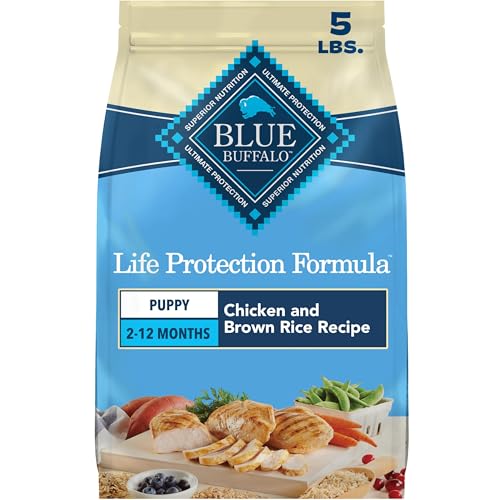
This Blue Buffalo Life Protection Formula Puppy Dry Dog Food stands out as an excellent choice for owners seeking a naturally formulated, nutritionally balanced diet tailored to Labrador retriever puppies. It features real chicken as the first ingredient, ensuring high-quality protein for muscle development. The formula contains no poultry by-products, corn, wheat, or soy, reducing common allergen risks. DHA and ARA support brain and vision development, mimicking levels found in maternal milk. LifeSource Bits deliver a precision blend of antioxidants, vitamins, and minerals to strengthen immune function. Each 5-lb bag provides a trial-sized portion, ideal for switching or short-term use.
Best For: Puppy owners, especially those with Labrador retrievers, seeking a natural, high-protein diet to support healthy growth and development.
Pros:
- Made with real chicken as the first ingredient for optimal muscle development
- Contains DHA and ARA to support brain and vision development in puppies
- Features LifeSource Bits with antioxidants, vitamins, and minerals to boost immune health
Cons:
- Smaller 5-lb bag size may require frequent repurchasing for larger or growing puppies
- Contains grain ingredients like brown rice, which may not suit grain-sensitive puppies
- Limited to one protein source (chicken), offering less variety for picky eaters or rotation diets
Purina ONE Plus Puppy Dry Dog Food

A standout choice for Labradors entering their rapid growth phase is Purina ONE Plus Puppy Dry Dog Food, especially when balanced nutrition and joint support are priorities. I rely on real chicken as the primary ingredient to deliver high-quality protein for strong muscles and heart health. The formula includes DHA, naturally present in mother’s milk, to support cognitive and visual development. Glucosamine and controlled protein levels help maintain an ideal growth rate while protecting joint integrity in large breeds. I include four antioxidant sources and a SmartBlend of omega-6 fatty acids, vitamins, and minerals to strengthen immunity and enhance coat and skin health. My kibble blends crunchy pieces with tender meaty bits-no artificial flavors or preservatives-and is made in Purina-owned U.S. facilities using rigorously sourced ingredients.
Best For: Large breed puppies, like Labradors, needing balanced nutrition and joint support during rapid growth phases.
Pros:
- Real chicken as the primary ingredient supports strong muscle and heart development
- Contains DHA, glucosamine, and balanced protein to promote brain, vision, and joint health
- Enhanced with antioxidants, omega-6 fatty acids, and essential nutrients for immune support and healthy skin and coat
Cons:
- May not be suitable for puppies with chicken sensitivities or allergies
- Contains both kibble and soft pieces, which may complicate portion control or dietary consistency
- Premium price point compared to some other puppy formulas
Purina ONE Healthy Puppy Dry Food (8 lb)

Purina ONE Healthy Puppy Dry Food delivers complete nutrition ideal for Labrador retriever puppies during their critical early months. Real chicken is the first ingredient, providing high-quality protein for strong muscles and a healthy heart. The formula includes DHA, found in mother’s milk, to support brain and vision development. Rice and oatmeal offer digestible energy. Glucosamine from natural sources supports joint health; calcium builds strong teeth and gums. Omega-6 fatty acids, vitamins, and minerals promote healthy skin and a shiny coat. Four antioxidant sources boost immune function. This 8 lb bag, measuring 5.25 x 9.5 x 13.25 in, contains no artificial flavors, preservatives, or fillers.
Best For: Puppy owners seeking a nutritious, naturally formulated dry food to support healthy growth in breeds like Labrador retrievers during early development stages.
Pros:
- Features real chicken as the first ingredient for high-quality protein to support muscle and heart health
- Contains DHA, omega-6 fatty acids, and antioxidants to promote brain development, coat health, and immune function
- Free from artificial flavors, preservatives, colors, and fillers, with balanced nutrition suitable for puppies and reproducing females
Cons:
- Only available in an 8 lb bag, which may be inconvenient for owners of larger breeds needing larger quantities
- Transition period of 7–10 days required, which may not suit picky eaters or sensitive stomachs
- Best If Used By date required for warranty claims, potentially limiting recourse if spoilage is suspected past that date
IAMS Proactive Health Large Breed Puppy Food (30.6 lb)

What if your Labrador puppy could get balanced nutrition tailored specifically for large breeds, with key nutrients that support long-term development? IAMS Proactive Health Large Breed Puppy Food (30.6 lb) delivers exactly that. It’s 100% complete and balanced, containing 22 key nutrients found in mother’s milk-no fillers added. Omega-3 DHA supports brain cognition, mental development, and trainability. High-quality protein builds strong muscles. Antioxidants boost immune system health. The formula guarantees steady growth and eases the shift to adult food. It’s vet-recommended, precise in nutrient profile, and designed for large breed puppies like yours.
Best For: Large breed puppies like Labradors, German Shepherds, and Golden Retrievers who need tailored nutrition for healthy growth and development.
Pros:
- Supports brain and cognitive development with omega-3 DHA, promoting trainability and mental growth
- Contains high-quality protein for strong muscle development and antioxidants for immune system support
- Formulated with 22 key nutrients found in mother’s milk, no fillers, and aids in a smooth transition to adult food
Cons:
- May not be ideal for small or toy breed puppies due to large-breed specific formulation
- Contains chicken as the primary ingredient, which may not suit puppies with poultry sensitivities
- Larger 30.6 lb bag may be impractical for households with limited storage space
Hill’s Science Diet Puppy Dry Food

When selecting the best dog food for Lab puppies, Hill’s Science Diet Puppy Dry Food stands out for those prioritizing brain development and long-term skeletal health, especially during rapid growth phases. It contains DHA from fish oil, which supports cognitive and visual function. High-quality protein builds lean muscle mass. The formula features chicken and brown rice-easily digestible ingredients that sustain energy. Small kibble size suits young puppies. Balanced minerals strengthen bones and teeth. Made in the USA with global sourcing, it’s a 4.5 lb bag of trusted, vet-recommended nutrition.
Best For: Puppies, especially large breeds like Labs, needing DHA-enriched nutrition for brain development and balanced minerals for strong skeletal growth during critical early stages.
Pros:
- Contains DHA from fish oil to support healthy brain and eye development
- High-quality protein from chicken promotes lean muscle growth and sustained energy
- Small kibble size and easily digestible ingredients like brown rice are ideal for young puppies
Cons:
- Limited to a 4.5 lb bag size, which may require frequent repurchasing for larger puppies
- Contains globally sourced ingredients, which may concern buyers preferring fully local sourcing
- Some puppies with chicken sensitivities may not tolerate this formula well
Purina Pro Plan Puppy Food (6 lb)

If you’re raising a Labrador puppy and want a diet that supports rapid brain development and strong skeletal growth, Purina Pro Plan Puppy Food (6 lb) delivers targeted nutrition backed by science. I rely on its DHA from omega-rich fish oil to fuel cognitive and visual development. Real chicken is the first ingredient, supplying premium protein for lean muscle formation. Antioxidants boost the immature immune system. Vitamin A and omega-6 fatty acids maintain skin integrity and a glossy coat. Calcium, phosphorus, and essential minerals support robust bone and tooth development. It’s crafted in U.S. facilities under strict quality controls.
Best For: Puppies, especially large breeds like Labradors, needing science-backed nutrition for brain development, muscle growth, and strong bones.
Pros:
- Contains DHA from fish oil to support brain and vision development
- Features real chicken as the first ingredient for high-quality protein
- Includes essential nutrients like calcium, phosphorus, and antioxidants for overall health
Cons:
- Some puppies may be sensitive to chicken as a primary protein source
- Contains no live probiotics for digestive health support
- Higher price point compared to some other puppy formulas
Purina ONE Healthy Puppy Dry Food (16.5 lb)

Purina ONE Healthy Puppy Dry Food (16.5 lb) stands out as a top choice for Labrador retriever puppies that need robust nutritional support during their rapid growth phase. Real chicken is the first ingredient, delivering high-quality protein to build strong muscles and support heart health. I rely on its DHA content-a nutrient in mother’s milk-to aid brain and vision development. The formula includes four sources of antioxidants to strengthen the immune system. Omega-6 fatty acids, vitamins, and minerals in the SmartBlend promote healthy skin and a shiny coat. Made with highly digestible ingredients, it guarantees maximum nutrient absorption. There are no artificial flavors or preservatives. The mix of crunchy bites and tender morsels improves palatability. It’s crafted in Purina-owned U.S. facilities. This food provides 100 percent complete nutrition with zero fillers. Every ingredient serves a specific nutritional purpose.
Best For: Labrador retriever puppies and other active breeds needing high-quality, nutrient-dense food to support rapid growth and development.
Pros:
- Real chicken as the first ingredient provides high-quality protein for strong muscle and heart development
- Contains DHA and antioxidants to support brain, vision, and immune system health
- Features a SmartBlend of omega-6 fatty acids, vitamins, and minerals for healthy skin and a shiny coat
Cons:
- May not be suitable for puppies with chicken sensitivities or allergies
- Contains both crunchy and soft textures which some picky eaters may selectively avoid
- Larger kibble size might be challenging for very small breed puppies
Factors to Consider When Choosing Dog Food for Lab Puppies
You need to pick a dog food that matches your Lab puppy’s unique growth needs. Large-breed puppies require balanced calcium and phosphorus-typically a 1.2:1 to 1.4:1 ratio-to support healthy joint development and avoid skeletal issues. Look for at least 22% protein from quality animal sources, plus DHA for brain health, and kibble sized to encourage proper chewing and digestion.
Breed-Specific Nutritional Needs
A Labrador puppy’s rapid growth demands precise nutrition to support healthy development. You need a large-breed puppy formula with controlled calcium (between 1.0% and 1.5%) and phosphorus (0.8% to 1.2%) to prevent skeletal abnormalities. These levels support bone density without accelerating growth too quickly. Your Lab’s expected adult size-typically 55 to 80 pounds-means their food must balance energy with developmental pacing. Choose formulas using high-quality protein (at least 24%) from real meat to build lean muscle without excess calories. DHA, ideally at 0.05% or higher from fish oil, boosts brain and eye development. Kibble size and texture matter too-larger, irregular shapes slow fast eaters, improving digestion. Breed-specific foods are engineered with these exact specifications, aligning with your puppy’s metabolism, growth curve, and joint health needs. You’re not just feeding-you’re building a foundation.
Essential Vitamins And Minerals
Precision in nutrition starts with the right balance of essential vitamins and minerals-each playing a defined role in your Lab puppy’s development. Calcium and phosphorus are critical for strong bones and joints, with an ideal ratio of 1.2:1 to support proper skeletal growth. Too much or too little can lead to developmental issues. Vitamin E acts as a powerful antioxidant, shielding cells from oxidative stress and boosting immune function during rapid growth phases. Omega-3 fatty acids, especially DHA-naturally present in mother’s milk-fuel brain and eye development. You’ll want to make certain the food includes these. High-quality proteins supply essential amino acids crucial for muscle formation and metabolic health. While prebiotics and digestible ingredients aid nutrient uptake and gut balance, focus here remains on vitamins and minerals. Choose formulas that meet AAFCO growth standards with verified nutrient profiles.
Digestive Health Support
Supporting digestive health begins with formulating meals that align with a puppy’s developing gastrointestinal system. Choose dog foods with probiotics or prebiotics to maintain a balanced gut microbiome, enhancing nutrient absorption and reducing digestive upset. These beneficial microbes stabilize intestinal flora, much like how proper maintenance keeps a machine running smoothly. Guarantee the formula contains a balanced fiber ratio-between 2% and 4%-to support healthy stool quality and prevent diarrhea or constipation. Opt for easily digestible carbohydrates such as rice or oatmeal, which offer steady energy without taxing the gut. Avoid artificial fillers, soy, or low-quality by-products, as they can impair digestion and lead to nutrient malabsorption. High-quality ingredients improve gastrointestinal function and promote long-term wellness. Carefully selected components make a measurable difference in digestive efficiency and overall essentiality.
Appropriate Protein Levels
Since protein plays a foundational role in your Lab puppy’s growth, choosing a diet with appropriate levels is critical for healthy development. The AAFCO recommends a minimum of 22% protein for puppies to support rapid tissue and muscle growth. You’ll want to prioritize high-quality, animal-based proteins like chicken, lamb, or fish, as they provide essential amino acids such as lysine and methionine. These amino acids are non-negotiable for proper physiological function and lean muscle formation. While more protein might seem better, levels exceeding 30% offer no extra benefit and may stress immature organs if unbalanced. Instead, focus on digestibility-highly digestible proteins guarantee your puppy absorbs more nutrients per meal. A well-balanced amino acid profile is just as important as total protein content. This means checking ingredient quality, not just percentages.
Kibble Size And Shape
One key factor often overlooked is kibble size-your Lab puppy’s jaw structure and mouth size make it essential to choose pieces that match their growing frame. Large-breed formulas typically feature kibble 12–16 mm in diameter, ideal for bigger mouths and proper chewing. This size encourages jaw engagement, reducing gulping and improving digestion. The shape matters just as much. Donut-shaped or ring-style kibbles create air pockets, increasing surface area by up to 30%, which enhances aroma release-especially helpful for picky eaters. Textured or irregularly shaped pieces increase mechanical action during chewing, reducing plaque buildup by up to 20% compared to smooth, uniform kibbles. For young pups moving to solid food, smaller, rounder pieces around 8–10 mm help with pickup and mastication. Always match kibble geometry to developmental stage-early weaning favors compact shapes; rapid growth demands size-appropriate, structurally complex pieces that support oral health and controlled eating.
Frequently Asked Questions
Can I Mix Wet and Dry Food for My Lab Puppy?
Yes, you can mix wet and dry food for your lab puppy. Doing so balances moisture intake and supports dental health. Use a 1:3 ratio-typically one part wet to three parts dry-to maintain nutrient density. Guarantee both foods share compatible protein sources and AAFCO-compliant nutrition. Gradually blend over seven days to avoid digestive upset. Monitor hydration, stool quality, and caloric intake. Adjust portions to prevent overfeeding, as wet food often contains more calories per gram.
How Often Should I Feed My Lab Puppy Each Day?
Feed your lab puppy three to four times daily until six months old, then reduce to two meals. Puppies this age need consistent energy and digest food quickly. Dividing the daily recommended calories across multiple meals prevents bloating and stabilizes blood sugar. Monitor growth rate and adjust portions based on weight, activity, and vet guidance. Overfeeding or irregular schedules can strain developing joints. Use a measured scoop-don’t free-feed-to maintain precision and promote healthy skeletal development.
Is Grain-Free Food Safe for Labrador Puppies?
Yes, grain-free food can be safe for Labrador puppies, but you must guarantee it meets AAFCO growth nutrient profiles. These diets often replace grains with legumes or potatoes, which may affect heart health in some dogs. Recent FDA studies link certain grain-free formulas to dilated cardiomyopathy. Always choose a vet-approved option with balanced amino acids, omega-3s, and taurine. Monitor growth rates and consult your vet regularly to prevent nutritional gaps.
Should I Change Food When My Puppy Becomes an Adult?
Yes, you should change your dog’s food when they move into adulthood, typically between 12 to 18 months for Labradors. Puppy food is higher in calories, protein (22–28%), and fat (8–15%) to support rapid growth. Adult dogs need fewer calories and balanced nutrients-protein around 18–22%-to maintain health and prevent obesity. Switch gradually over 7–10 days to avoid digestive upset. Consult your vet for timing based on your dog’s growth rate and activity level.
How Do I Transition My Puppy to a New Food Safely?
You shift your puppy to new food over 7–10 days using gradual mixing. Start with 25% new food mixed into 75% old food for days 1–2. Increase new food to 50% for days 3–4, then 75% by days 5–7. Monitor stool quality and appetite. Sudden changes can disrupt digestion. Always introduce new food slowly to maintain gut microbiome balance and prevent gastrointestinal upset.